
Understanding Carbon Bricks: The Future of Non-Metallic Mineral Products
Nov 19,2025


Summary:
Carbon bricks are a specialized form of carbon-based materials that play a crucial role in various industrial applications, particularly in the metallurgy, mining, and energy sectors. These bricks are primarily composed of carbon, which imparts unique properties such as high thermal conductivity, excellent mechanical strength, and resistance to chemical corrosion. This makes carbon bricks an ideal
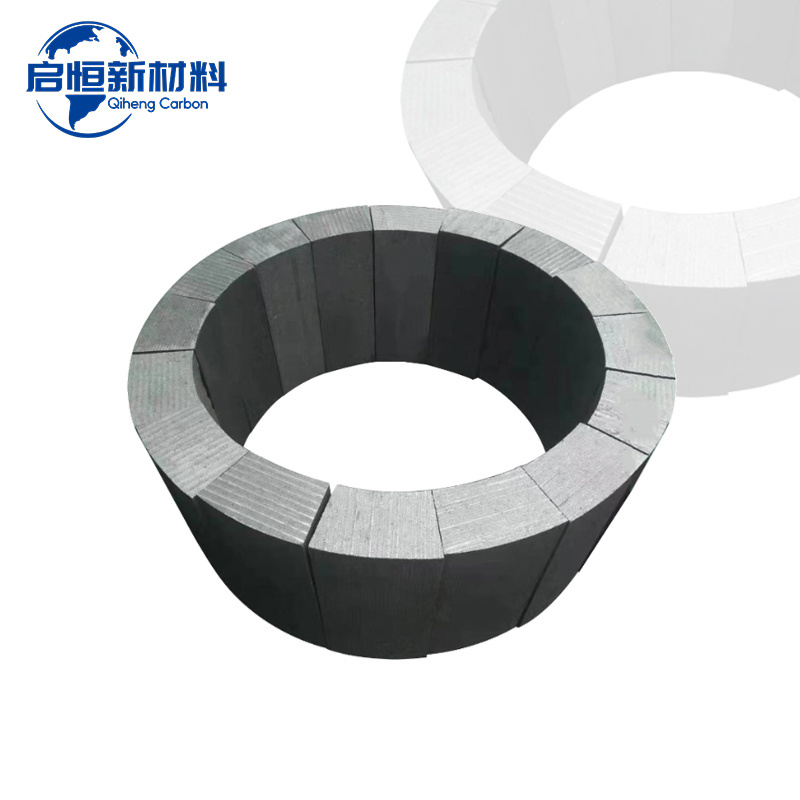
Carbon bricks are a specialized form of carbon-based materials that play a crucial role in various industrial applications, particularly in the metallurgy, mining, and energy sectors. These bricks are primarily composed of carbon, which imparts unique properties such as high thermal conductivity, excellent mechanical strength, and resistance to chemical corrosion. This makes carbon bricks an ideal choice for use in high-temperature environments, where traditional materials may fail.
One of the primary applications of carbon bricks is in lining furnaces and kilns, where they provide an essential barrier against extreme heat and corrosive materials. Their ability to withstand high temperatures without degrading ensures that industrial processes remain efficient and safe. For example, in steel production, carbon bricks are often used to line converters and ladles, where molten metal is processed. Their thermal stability not only improves the efficiency of these operations but also extends the lifespan of the equipment.
In addition to their use in metallurgical processes, carbon bricks are also gaining traction in the energy sector. As industries move towards sustainable practices, carbon bricks can be utilized in the production of energy-efficient systems. Their excellent thermal management capabilities make them suitable for applications in energy storage systems, where maintaining optimal temperatures is critical. This characteristic can lead to reduced energy consumption and lower operational costs, aligning with the growing demand for eco-friendly solutions.
Furthermore, the lightweight nature of carbon bricks compared to traditional materials allows for easier handling and installation, reducing labor costs and time in construction projects. Their durability ensures that they can withstand harsh environmental conditions, making them a reliable choice for long-term applications. As the demand for high-performance materials continues to rise, carbon bricks are positioned to be at the forefront of innovation in the non-metallic mineral product industry.
In summary, carbon bricks represent a significant advancement in the field of materials science, offering a blend of strength, thermal resistance, and versatility. As industries evolve and seek more sustainable practices, the role of carbon bricks will likely expand, paving the way for new applications and innovations. By understanding the benefits and functionalities of carbon bricks, businesses can make informed decisions that enhance their operational efficiency and contribute to a more sustainable future.
One of the primary applications of carbon bricks is in lining furnaces and kilns, where they provide an essential barrier against extreme heat and corrosive materials. Their ability to withstand high temperatures without degrading ensures that industrial processes remain efficient and safe. For example, in steel production, carbon bricks are often used to line converters and ladles, where molten metal is processed. Their thermal stability not only improves the efficiency of these operations but also extends the lifespan of the equipment.
In addition to their use in metallurgical processes, carbon bricks are also gaining traction in the energy sector. As industries move towards sustainable practices, carbon bricks can be utilized in the production of energy-efficient systems. Their excellent thermal management capabilities make them suitable for applications in energy storage systems, where maintaining optimal temperatures is critical. This characteristic can lead to reduced energy consumption and lower operational costs, aligning with the growing demand for eco-friendly solutions.
Furthermore, the lightweight nature of carbon bricks compared to traditional materials allows for easier handling and installation, reducing labor costs and time in construction projects. Their durability ensures that they can withstand harsh environmental conditions, making them a reliable choice for long-term applications. As the demand for high-performance materials continues to rise, carbon bricks are positioned to be at the forefront of innovation in the non-metallic mineral product industry.
In summary, carbon bricks represent a significant advancement in the field of materials science, offering a blend of strength, thermal resistance, and versatility. As industries evolve and seek more sustainable practices, the role of carbon bricks will likely expand, paving the way for new applications and innovations. By understanding the benefits and functionalities of carbon bricks, businesses can make informed decisions that enhance their operational efficiency and contribute to a more sustainable future.
Focus On Hot Spots
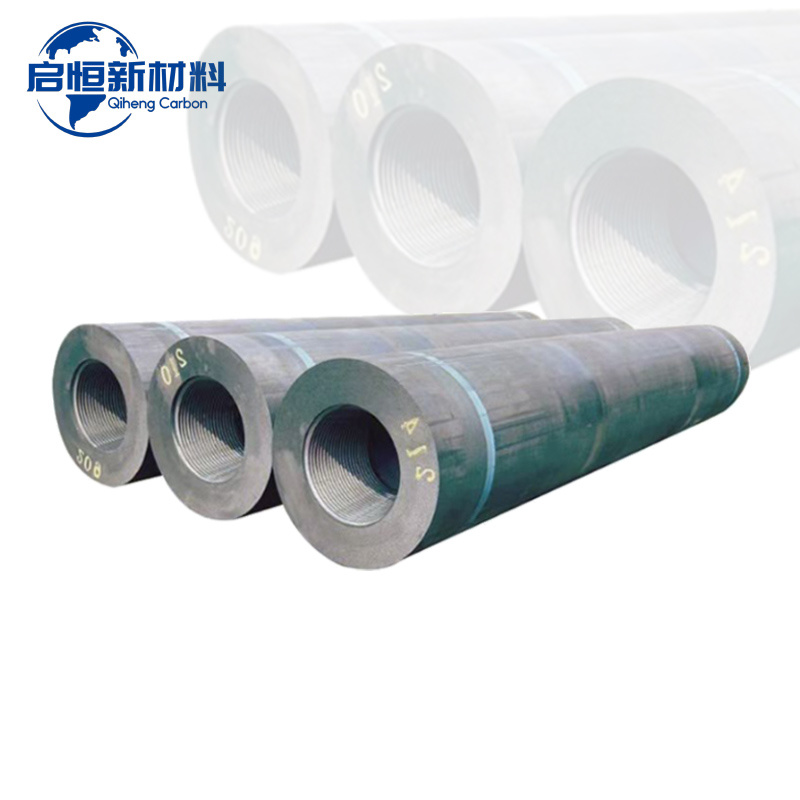
RP Graphite Electrodes: Transforming Conductivity in Metallurgical Processes
RP Graphite Electrodes: Enhancing Conductivity in Metallurgical Applications
Table of Contents
1. Introduction to RP Graphite Electrodes
2. Understanding Graphite and Its Properties
3. The Role of RP Graphite Electrodes in Metallurgy
4. Benefits of Using RP Graphite Electrodes
5. The Manufacturing Process of RP Graphite Electrodes
6. Applications of RP Graphite Electrodes
The Essential Guide to Graphite Blocks in Metallurgy and Energy Industries
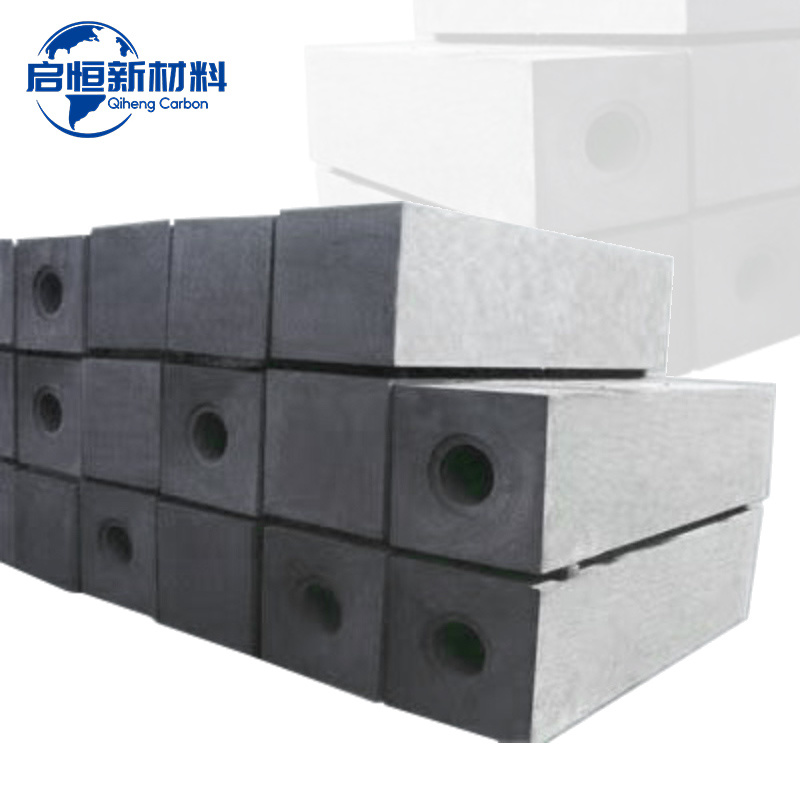
Graphite blocks are pivotal materials in the metallurgy and energy industries, particularly within the non-metallic mineral products sector. These blocks, made from natural or synthetic graphite, possess unique properties that make them suitable for a wide range of applications. One of the most notable characteristics of graphite is its excellent thermal and electrical conductivity. This property
Quick Navigation
Contact Us
Mobile:
+8618031071182(Mr. Chang)
+8613703203188(Mr. Guo)
Address: West of Zholangbao Village, Shangcheng Town, Chengan County, Handan City, Hebei Province
Alibaba Store: