

RP Graphite Electrodes: Transforming Conductivity in Metallurgical Processes
Dec 14,2025


Summary:
RP Graphite Electrodes: Enhancing Conductivity in Metallurgical Applications
Table of Contents
1. Introduction to RP Graphite Electrodes
2. Understanding Graphite and Its Properties
3. The Role of RP Graphite Electrodes in Metallurgy
4. Benefits of Using RP Graphite Electrodes
5. The Manufacturing Process of RP Graphite Electrodes
6. Applications of RP Graphite Electrodes
RP Graphite Electrodes: Enhancing Conductivity in Metallurgical Applications
Table of Contents
- 1. Introduction to RP Graphite Electrodes
- 2. Understanding Graphite and Its Properties
- 3. The Role of RP Graphite Electrodes in Metallurgy
- 4. Benefits of Using RP Graphite Electrodes
- 5. The Manufacturing Process of RP Graphite Electrodes
- 6. Applications of RP Graphite Electrodes in Various Industries
- 7. Future Trends in RP Graphite Electrodes
- 8. Frequently Asked Questions
- 9. Conclusion
1. Introduction to RP Graphite Electrodes
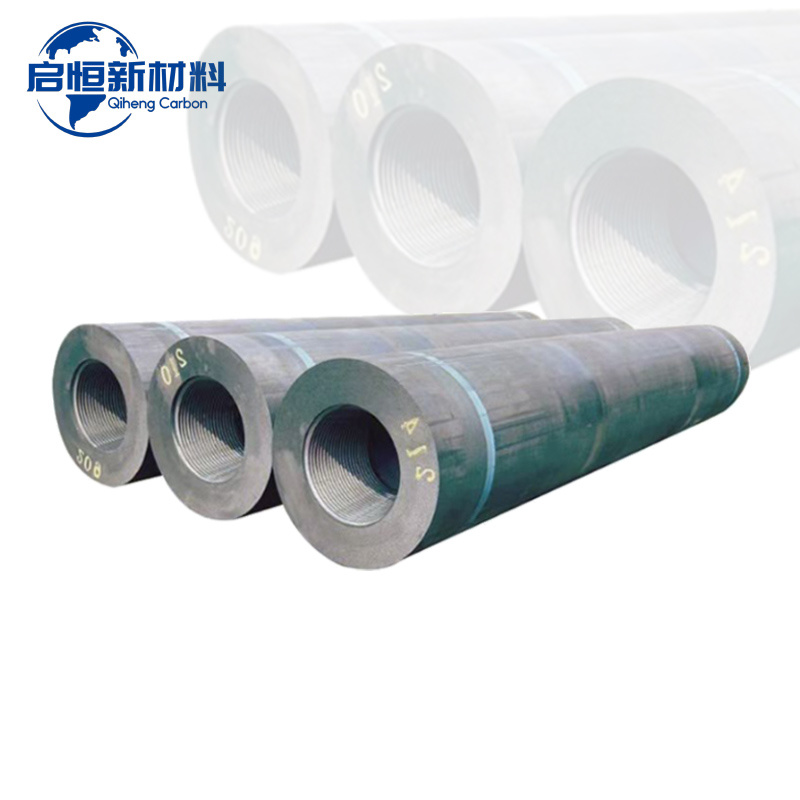
RP (Regular Power) graphite electrodes are essential components in various metallurgical processes, especially in electric arc furnaces (EAFs). They play a critical role in enhancing electrical conductivity, thus optimizing energy consumption and ensuring efficient metal production. Understanding the characteristics and applications of RP graphite electrodes is vital for professionals in the metallurgy sector aiming for improved operational efficiency and sustainability.
2. Understanding Graphite and Its Properties
Graphite is an allotrope of carbon, characterized by its unique structure and properties. Its layered arrangement of carbon atoms allows for excellent electrical conductivity, high thermal resistance, and chemical stability. These attributes make graphite an ideal material for electrodes, particularly in high-temperature applications such as metallurgy.
The Structure of Graphite
Graphite’s structure consists of a two-dimensional layer of carbon atoms arranged in a honeycomb lattice. The weak van der Waals forces between the layers allow them to slide over one another, making graphite lubricious and providing excellent conductivity. This structural feature is fundamental in the functionality of RP graphite electrodes.
Properties of RP Graphite Electrodes
RP graphite electrodes possess remarkable properties, including:
- **High Electrical Conductivity**: Enables efficient current transfer.
- **Thermal Stability**: Maintains performance at elevated temperatures.
- **Chemical Resistance**: Ensures durability in harsh environments.
These properties are crucial for their effectiveness in metallurgical applications.
3. The Role of RP Graphite Electrodes in Metallurgy
In metallurgical processes, RP graphite electrodes serve as conduits for electric current in EAFs, facilitating the melting of scrap metal and the production of various alloys. Their role is not merely functional; the quality of the electrodes significantly impacts the overall efficiency and sustainability of the metallurgical operation.
Electric Arc Furnaces and Their Operation
EAFs utilize high-voltage electric arcs to melt metal, with RP graphite electrodes providing the necessary electrical pathway. The arc generates intense heat, which melts the material, allowing for the recycling of scrap metal and the production of high-quality steel. The conductivity of the electrodes directly influences energy consumption and melting efficiency.
Contribution to Energy Efficiency
By utilizing RP graphite electrodes, metallurgical facilities can enhance energy efficiency. The high conductivity minimizes energy loss during the melting process, leading to reduced operational costs and a lower carbon footprint.
4. Benefits of Using RP Graphite Electrodes
The adoption of RP graphite electrodes in metallurgical applications comes with a myriad of advantages.
Cost-Effectiveness
RP graphite electrodes are often more cost-effective than other electrode materials. Their durability and high performance reduce the frequency of replacements, leading to lower overall expenditures.
Environmental Sustainability
With the growing emphasis on sustainability, RP graphite electrodes contribute to reduced waste and energy consumption. Their efficiency in recycling scrap metal supports a circular economy, aligning with global sustainability goals.
Enhanced Production Quality
The use of RP graphite electrodes promotes superior quality in the produced metal. Their consistent performance ensures the maintenance of desired chemical compositions and mechanical properties, essential for various industrial applications.
5. The Manufacturing Process of RP Graphite Electrodes
The manufacturing of RP graphite electrodes involves several critical steps to ensure quality and performance.
Raw Material Selection
The primary raw materials for RP graphite electrodes include petroleum coke and pitch. The selection of high-quality materials is crucial, as it affects the conductivity and mechanical strength of the finished product.
Impregnation and Baking
The raw materials undergo a process of impregnation with pitch before being baked. This step enhances the density and strength of the electrodes while ensuring optimal conductivity.
Graphitization
The baked electrodes are subjected to high-temperature treatment (over 2500°C) in a graphitization furnace. This process transforms the structure of the material, increasing its electrical conductivity and thermal resistance.
Final Machining and Quality Control
After graphitization, the electrodes are machined to precise specifications. Rigorous quality control measures ensure that each electrode meets industry standards, confirming its suitability for metallurgical applications.
6. Applications of RP Graphite Electrodes in Various Industries
RP graphite electrodes find extensive use in various metallurgical applications, among others.
Steel Production
The steel industry is the primary consumer of RP graphite electrodes, utilizing them in EAFs for the recycling of scrap steel and the production of new steel. Their role in this sector is pivotal for enhancing energy efficiency and product quality.
Foundries
In foundries, RP graphite electrodes are used for melting metals and alloys. Their high conductivity ensures efficient melting and reduces energy costs, making them a preferred choice.
Non-Ferrous Metal Production
RP graphite electrodes are critical in non-ferrous metal production, including aluminum and copper. Their thermal stability and conductivity support the melting and refining processes, contributing to improved yield and purity.
7. Future Trends in RP Graphite Electrodes
As the metallurgy sector evolves, so does the technology and application of RP graphite electrodes.
Innovations in Material Science
Advancements in material science are likely to lead to the development of new graphite electrode formulations, enhancing their properties further. This could lead to electrodes with even greater conductivity and thermal resistance.
Focus on Sustainability
With increasing pressure on industries to adopt sustainable practices, the use of RP graphite electrodes in recycling and energy-efficient processes will continue to grow. Future trends will emphasize reducing the carbon footprint and promoting recycling initiatives.
8. Frequently Asked Questions
What are RP graphite electrodes used for?
RP graphite electrodes are primarily used in electric arc furnaces for melting steel and other metals, enhancing electrical conductivity and energy efficiency.
How do RP graphite electrodes improve energy efficiency?
Their high electrical conductivity minimizes energy loss during the melting process, leading to reduced operational costs and improved overall efficiency.
What industries benefit from RP graphite electrodes?
Industries such as steel production, foundries, and non-ferrous metal production significantly benefit from the use of RP graphite electrodes.
What are the advantages of RP graphite electrodes over other materials?
RP graphite electrodes offer cost-effectiveness, environmental sustainability, and enhanced production quality, making them a superior choice for metallurgical applications.
What is the manufacturing process of RP graphite electrodes?
The manufacturing process involves raw material selection, impregnation and baking, graphitization, and final machining, ensuring high-quality electrodes.
9. Conclusion
RP graphite electrodes are indispensable in modern metallurgy, enhancing conductivity and efficiency in various applications. Their unique properties and benefits make them essential for steel production, foundries, and non-ferrous metal industries. As technology advances, the future of RP graphite electrodes promises even greater innovations, contributing to sustainable practices and improved operational efficiency. Embracing these electrodes will undoubtedly lead to a more efficient and environmentally friendly metallurgical sector.
Previous:
Focus On Hot Spots
RP Graphite Electrodes: Transforming Conductivity in Metallurgical Processes
RP Graphite Electrodes: Enhancing Conductivity in Metallurgical Applications
Table of Contents
1. Introduction to RP Graphite Electrodes
2. Understanding Graphite and Its Properties
3. The Role of RP Graphite Electrodes in Metallurgy
4. Benefits of Using RP Graphite Electrodes
5. The Manufacturing Process of RP Graphite Electrodes
6. Applications of RP Graphite Electrodes
The Essential Guide to Graphite Blocks in Metallurgy and Energy Industries
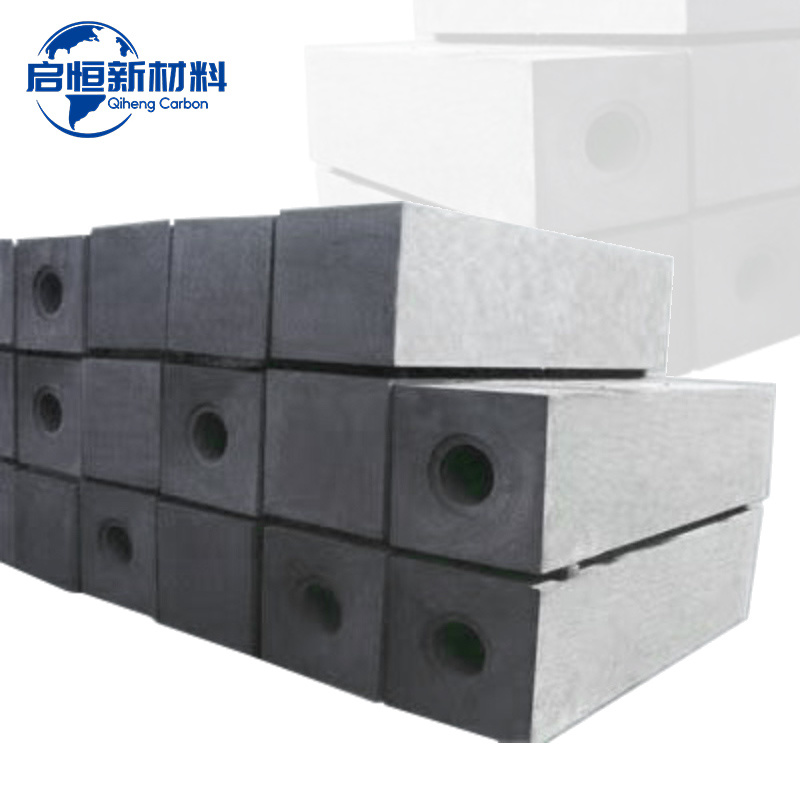
Graphite blocks are pivotal materials in the metallurgy and energy industries, particularly within the non-metallic mineral products sector. These blocks, made from natural or synthetic graphite, possess unique properties that make them suitable for a wide range of applications. One of the most notable characteristics of graphite is its excellent thermal and electrical conductivity. This property
Quick Navigation
Contact Us
Mobile:
+8618031071182(Mr. Chang)
+8613703203188(Mr. Guo)
Address: West of Zholangbao Village, Shangcheng Town, Chengan County, Handan City, Hebei Province
Alibaba Store: