

The Essential Guide to Graphite Blocks in Metallurgy and Energy Industries
Dec 09,2025


Summary:
Graphite blocks are pivotal materials in the metallurgy and energy industries, particularly within the non-metallic mineral products sector. These blocks, made from natural or synthetic graphite, possess unique properties that make them suitable for a wide range of applications. One of the most notable characteristics of graphite is its excellent thermal and electrical conductivity. This property
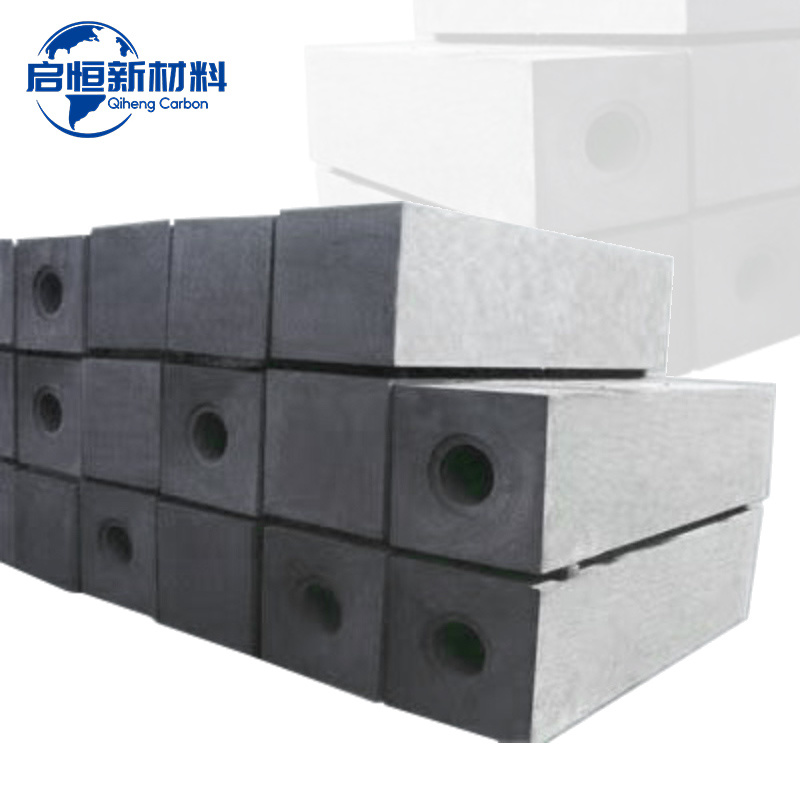
Graphite blocks are pivotal materials in the metallurgy and energy industries, particularly within the non-metallic mineral products sector. These blocks, made from natural or synthetic graphite, possess unique properties that make them suitable for a wide range of applications. One of the most notable characteristics of graphite is its excellent thermal and electrical conductivity. This property allows graphite blocks to be utilized in various high-temperature processes, such as in the production of electrodes for electric arc furnaces and in the manufacturing of refractory materials.
In addition to their thermal and electrical properties, graphite blocks are known for their chemical stability. They are resistant to oxidation and corrosion, which makes them ideal for use in harsh environments. For instance, graphite blocks are often employed as linings in furnaces and reactors where aggressive chemicals are present. Their ability to withstand high temperatures without degrading ensures that they maintain integrity over time, reducing the need for frequent replacements.
Moreover, the mechanical strength of graphite blocks is another reason for their widespread use. They offer high compressive strength and can withstand significant stress without deforming. This durability is crucial in applications where materials are subjected to mechanical loads, such as in the construction of molds and tooling for metal casting.
In the energy sector, graphite blocks are particularly valued in the production of batteries and fuel cells. As energy storage solutions become increasingly critical in today's energy landscape, the demand for efficient materials continues to grow. The use of graphite blocks in electrodes enhances the performance of lithium-ion batteries, contributing to increased energy density and longer cycles of charge and discharge.
Furthermore, the versatility of graphite blocks allows for customization to meet specific industry requirements. Manufacturers can produce blocks in various shapes, sizes, and grades, enabling them to cater to specific applications within the metallurgy and energy sectors. This adaptability makes graphite blocks a preferred choice for engineers and designers seeking reliable solutions.
In summary, graphite blocks play a crucial role in the metallurgy and energy industries, combining exceptional thermal and electrical conductivity, chemical stability, and mechanical strength. Their diverse applications, from electrodes in furnaces to components in energy storage systems, highlight their importance in driving innovation and efficiency in non-metallic mineral products. Understanding the properties and potential uses of graphite blocks can empower professionals in these industries to optimize processes and enhance product quality.
In addition to their thermal and electrical properties, graphite blocks are known for their chemical stability. They are resistant to oxidation and corrosion, which makes them ideal for use in harsh environments. For instance, graphite blocks are often employed as linings in furnaces and reactors where aggressive chemicals are present. Their ability to withstand high temperatures without degrading ensures that they maintain integrity over time, reducing the need for frequent replacements.
Moreover, the mechanical strength of graphite blocks is another reason for their widespread use. They offer high compressive strength and can withstand significant stress without deforming. This durability is crucial in applications where materials are subjected to mechanical loads, such as in the construction of molds and tooling for metal casting.
In the energy sector, graphite blocks are particularly valued in the production of batteries and fuel cells. As energy storage solutions become increasingly critical in today's energy landscape, the demand for efficient materials continues to grow. The use of graphite blocks in electrodes enhances the performance of lithium-ion batteries, contributing to increased energy density and longer cycles of charge and discharge.
Furthermore, the versatility of graphite blocks allows for customization to meet specific industry requirements. Manufacturers can produce blocks in various shapes, sizes, and grades, enabling them to cater to specific applications within the metallurgy and energy sectors. This adaptability makes graphite blocks a preferred choice for engineers and designers seeking reliable solutions.
In summary, graphite blocks play a crucial role in the metallurgy and energy industries, combining exceptional thermal and electrical conductivity, chemical stability, and mechanical strength. Their diverse applications, from electrodes in furnaces to components in energy storage systems, highlight their importance in driving innovation and efficiency in non-metallic mineral products. Understanding the properties and potential uses of graphite blocks can empower professionals in these industries to optimize processes and enhance product quality.
Focus On Hot Spots
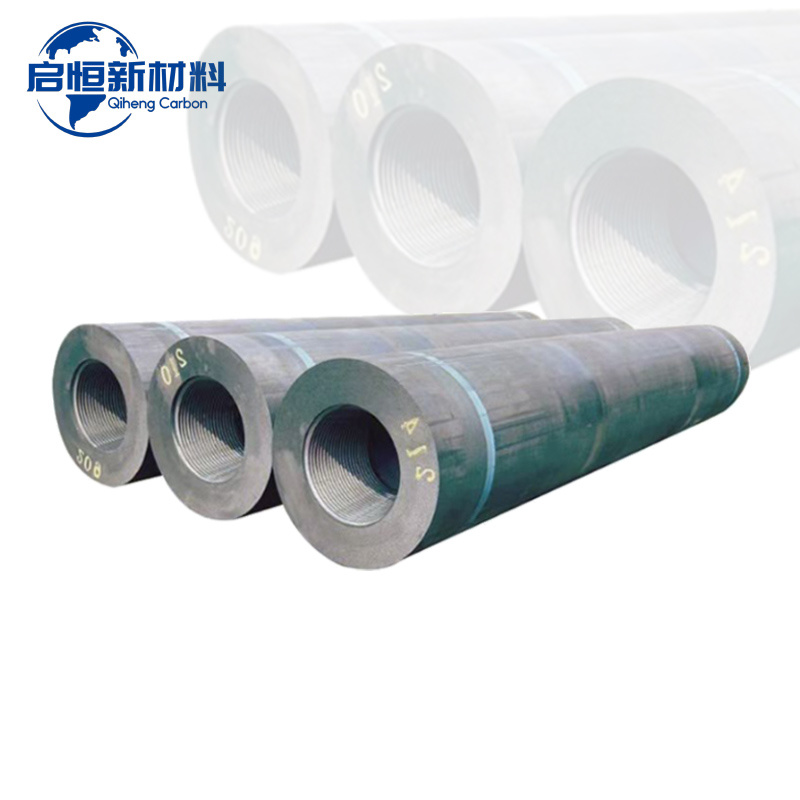
RP Graphite Electrodes: Transforming Conductivity in Metallurgical Processes
RP Graphite Electrodes: Enhancing Conductivity in Metallurgical Applications
Table of Contents
1. Introduction to RP Graphite Electrodes
2. Understanding Graphite and Its Properties
3. The Role of RP Graphite Electrodes in Metallurgy
4. Benefits of Using RP Graphite Electrodes
5. The Manufacturing Process of RP Graphite Electrodes
6. Applications of RP Graphite Electrodes
The Essential Guide to Graphite Blocks in Metallurgy and Energy Industries
Graphite blocks are pivotal materials in the metallurgy and energy industries, particularly within the non-metallic mineral products sector. These blocks, made from natural or synthetic graphite, possess unique properties that make them suitable for a wide range of applications. One of the most notable characteristics of graphite is its excellent thermal and electrical conductivity. This property
Quick Navigation
Contact Us
Mobile:
+8618031071182(Mr. Chang)
+8613703203188(Mr. Guo)
Address: West of Zholangbao Village, Shangcheng Town, Chengan County, Handan City, Hebei Province
Alibaba Store: