

The Essential Role of Graphite Electrodes in Steel Making
Oct 10,2025


Summary:
Graphite electrodes play a pivotal role in the steel-making industry, especially in electric arc furnaces (EAFs). These electrodes are essential for conducting electricity, which generates the high temperatures necessary to melt scrap steel or other iron sources. The unique properties of graphite make it an ideal material for this application, offering high thermal conductivity, resistance to ther
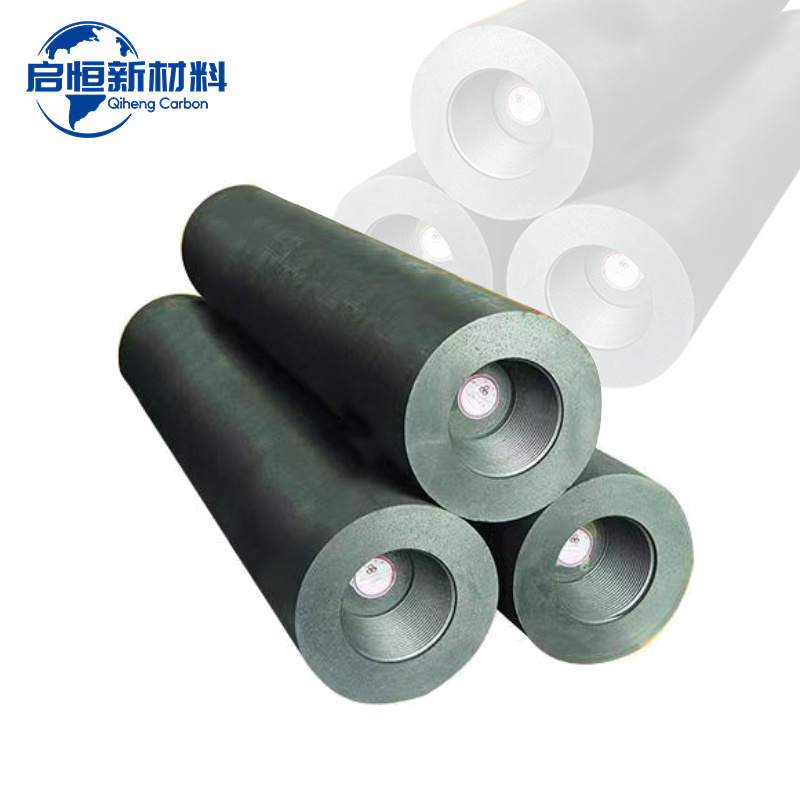
Graphite electrodes play a pivotal role in the steel-making industry, especially in electric arc furnaces (EAFs). These electrodes are essential for conducting electricity, which generates the high temperatures necessary to melt scrap steel or other iron sources. The unique properties of graphite make it an ideal material for this application, offering high thermal conductivity, resistance to thermal shock, and the ability to withstand extreme temperatures.
In the steel-making process, the graphite electrode is inserted into the furnace, where an electric current passes through it, creating an arc between the electrode and the charge. This arc generates the intense heat needed for melting the steel, which typically reaches temperatures of around 1600 to 1800 degrees Celsius. The efficiency of this process is heavily dependent on the quality of the graphite electrodes used; higher quality electrodes result in better energy efficiency and reduced operational costs.
One of the notable characteristics of graphite electrodes is their ability to maintain their structural integrity at high temperatures, unlike some other materials that may deform or degrade. This durability is crucial to ensuring the continuous operation of electric arc furnaces, as any failure in the electrodes can lead to significant downtimes and increased production costs.
Additionally, the manufacturing process of graphite electrodes involves a series of steps including the selection of high-purity petroleum coke, which is then calcined and mixed with a binder. The mixture is shaped into electrodes and subsequently baked at high temperatures. This meticulous production process is vital for creating electrodes that meet the stringent requirements of the steel-making industry.
Another important consideration is the environmental impact. The steel industry is under increasing pressure to reduce carbon emissions, and the use of high-quality graphite electrodes can contribute to this goal. Efficient electrode consumption leads to less waste, and advances in the manufacturing process can further minimize environmental footprints.
Furthermore, the global demand for steel continues to rise, driven by urbanization and infrastructure development. As a result, the need for reliable and high-performance graphite electrodes remains crucial. Companies are continually seeking innovations to improve the properties of these electrodes, enhancing their performance while meeting the evolving needs of the industry.
In summary, graphite electrodes are an indispensable component in the steel-making process. Their unique attributes ensure high efficiency and reliability in electric arc furnaces, making them essential for the production of high-quality steel. As the industry evolves, the emphasis on quality and environmental responsibility will only increase, solidifying the role of graphite electrodes in steel production for years to come.
In the steel-making process, the graphite electrode is inserted into the furnace, where an electric current passes through it, creating an arc between the electrode and the charge. This arc generates the intense heat needed for melting the steel, which typically reaches temperatures of around 1600 to 1800 degrees Celsius. The efficiency of this process is heavily dependent on the quality of the graphite electrodes used; higher quality electrodes result in better energy efficiency and reduced operational costs.
One of the notable characteristics of graphite electrodes is their ability to maintain their structural integrity at high temperatures, unlike some other materials that may deform or degrade. This durability is crucial to ensuring the continuous operation of electric arc furnaces, as any failure in the electrodes can lead to significant downtimes and increased production costs.
Additionally, the manufacturing process of graphite electrodes involves a series of steps including the selection of high-purity petroleum coke, which is then calcined and mixed with a binder. The mixture is shaped into electrodes and subsequently baked at high temperatures. This meticulous production process is vital for creating electrodes that meet the stringent requirements of the steel-making industry.
Another important consideration is the environmental impact. The steel industry is under increasing pressure to reduce carbon emissions, and the use of high-quality graphite electrodes can contribute to this goal. Efficient electrode consumption leads to less waste, and advances in the manufacturing process can further minimize environmental footprints.
Furthermore, the global demand for steel continues to rise, driven by urbanization and infrastructure development. As a result, the need for reliable and high-performance graphite electrodes remains crucial. Companies are continually seeking innovations to improve the properties of these electrodes, enhancing their performance while meeting the evolving needs of the industry.
In summary, graphite electrodes are an indispensable component in the steel-making process. Their unique attributes ensure high efficiency and reliability in electric arc furnaces, making them essential for the production of high-quality steel. As the industry evolves, the emphasis on quality and environmental responsibility will only increase, solidifying the role of graphite electrodes in steel production for years to come.
Focus On Hot Spots
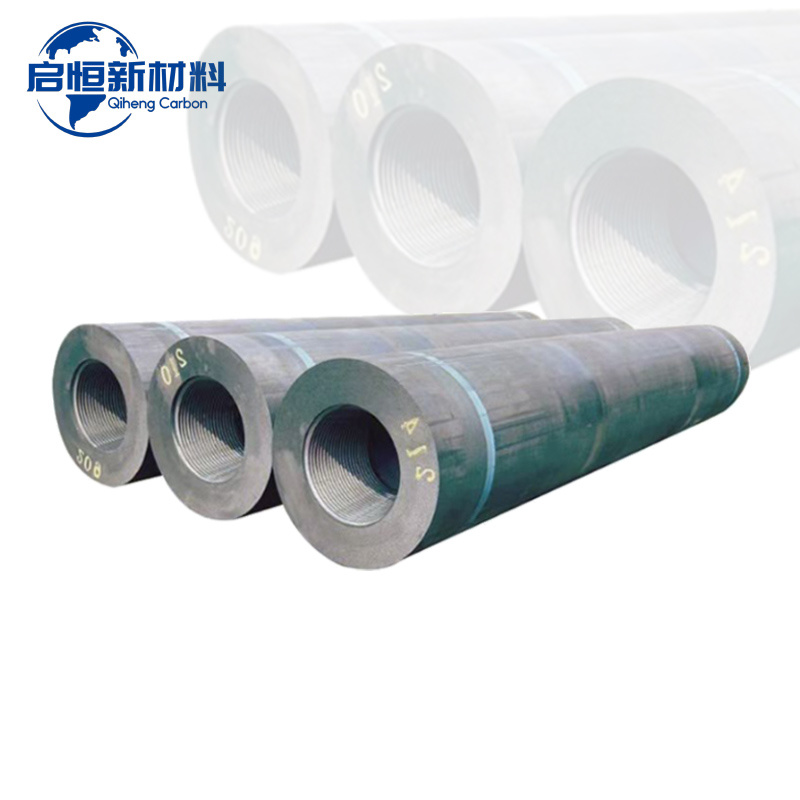
RP Graphite Electrodes: Transforming Conductivity in Metallurgical Processes
RP Graphite Electrodes: Enhancing Conductivity in Metallurgical Applications
Table of Contents
1. Introduction to RP Graphite Electrodes
2. Understanding Graphite and Its Properties
3. The Role of RP Graphite Electrodes in Metallurgy
4. Benefits of Using RP Graphite Electrodes
5. The Manufacturing Process of RP Graphite Electrodes
6. Applications of RP Graphite Electrodes
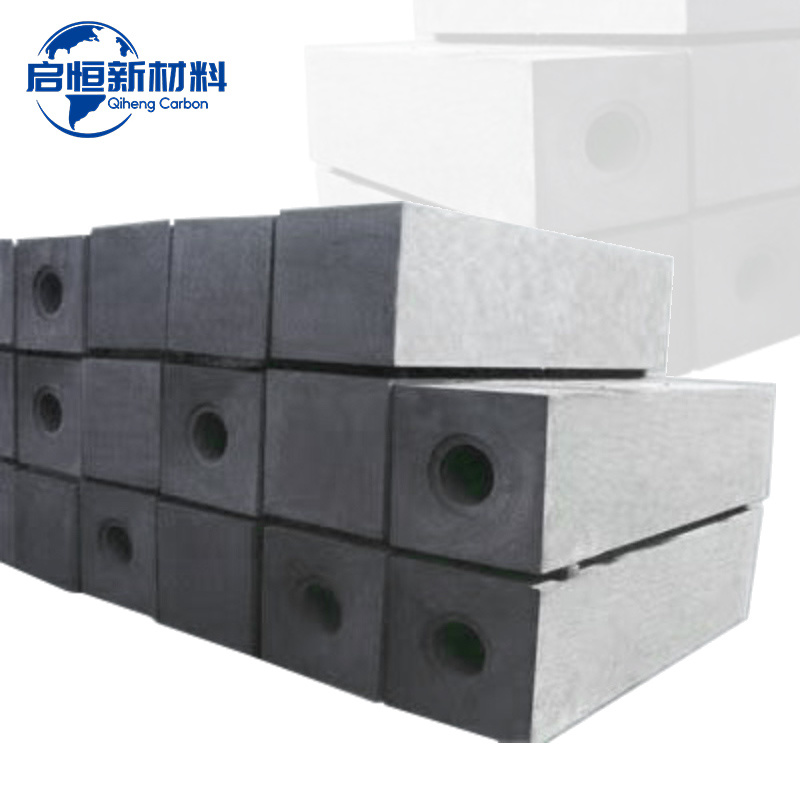
The Essential Guide to Graphite Blocks in Metallurgy and Energy Industries
Graphite blocks are pivotal materials in the metallurgy and energy industries, particularly within the non-metallic mineral products sector. These blocks, made from natural or synthetic graphite, possess unique properties that make them suitable for a wide range of applications. One of the most notable characteristics of graphite is its excellent thermal and electrical conductivity. This property
Quick Navigation
Contact Us
Mobile:
+8618031071182(Mr. Chang)
+8613703203188(Mr. Guo)
Address: West of Zholangbao Village, Shangcheng Town, Chengan County, Handan City, Hebei Province
Alibaba Store: