

Carbon Graphite Electrodes vs. Traditional Electrodes: A Comprehensive Comparative Study
Oct 15,2025


Summary:
Carbon Graphite Electrodes vs. Traditional Electrodes: A Comparative Study
Table of Contents
1. Introduction to Electrodes in Metallurgy
2. What are Carbon Graphite Electrodes?
3. Understanding Traditional Electrodes
4. Applications of Carbon Graphite and Traditional Electrodes
5. Advantages of Carbon Graphite Electrodes
6. Disadvantages of Carbon Graphite Electrodes
7. Advantages o
Carbon Graphite Electrodes vs. Traditional Electrodes: A Comparative Study
Table of Contents
- 1. Introduction to Electrodes in Metallurgy
- 2. What are Carbon Graphite Electrodes?
- 3. Understanding Traditional Electrodes
- 4. Applications of Carbon Graphite and Traditional Electrodes
- 5. Advantages of Carbon Graphite Electrodes
- 6. Disadvantages of Carbon Graphite Electrodes
- 7. Advantages of Traditional Electrodes
- 8. Disadvantages of Traditional Electrodes
- 9. Conclusion: Choosing the Right Electrode for Your Needs
- 10. Frequently Asked Questions
1. Introduction to Electrodes in Metallurgy
In the realm of metallurgy, electrodes play a crucial role in various applications, particularly in the fields of electric arc furnaces (EAF), steelmaking, and other industrial processes. The choice of electrode can significantly influence the efficiency and quality of the metallurgical operation. This article delves into a comparative study of **carbon graphite electrodes** and **traditional electrodes**, highlighting their unique features, advantages, and drawbacks to help stakeholders make informed decisions.
2. What are Carbon Graphite Electrodes?
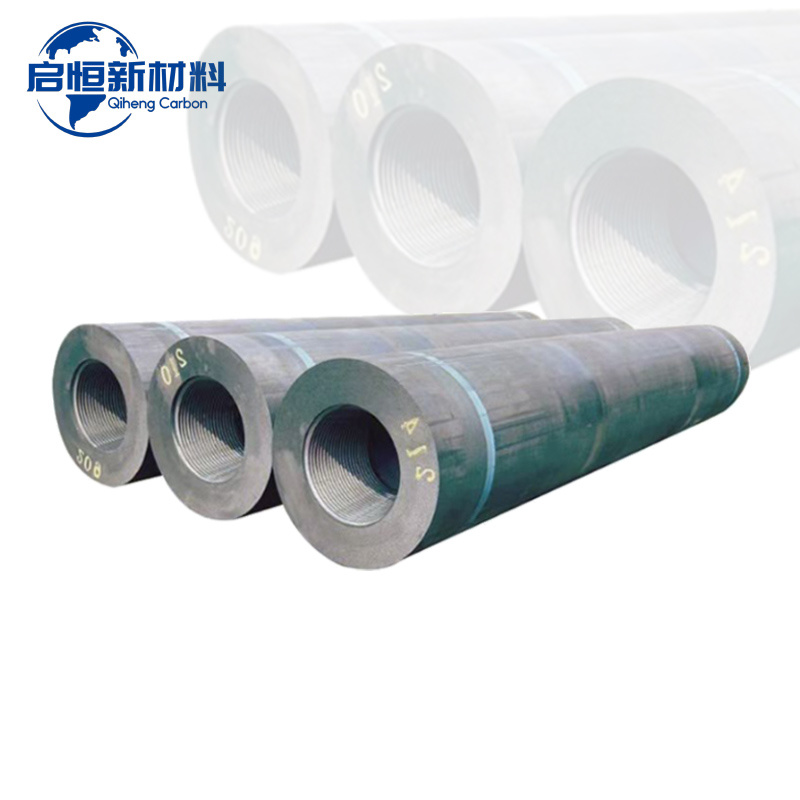
Carbon graphite electrodes are made from a blend of petroleum coke and coal tar pitch through a complex manufacturing process. They are known for their excellent conductivity, thermal resistance, and durability under extreme conditions. Primarily utilized in electric arc furnaces, these electrodes facilitate high-temperature operations necessary for melting steel and other metals. Their ability to withstand oxidation and wear makes them a favorable choice for various applications in the metallurgical industry.
2.1 Composition and Manufacturing Process
The composition of carbon graphite electrodes consists mainly of carbon and graphite materials. The manufacturing process involves the following key steps:
- **Preparation of Raw Materials**: Petroleum coke and coal tar pitch are mixed in specific proportions.
- **Molding**: The mixture is molded into the desired shape, typically cylindrical.
- **Baking**: The molded electrodes are baked at high temperatures to enhance their structural integrity.
- **Graphitization**: The baked electrodes undergo a graphitization process at even higher temperatures, converting the carbon content into graphite.
- **Finishing**: Finally, the electrodes are machined to meet precise specifications.
3. Understanding Traditional Electrodes
Traditional electrodes, often made from materials like copper or metal alloys, have been used for decades in various welding and electrochemical applications. Their performance is primarily dependent on the specific material composition and the manufacturing process employed. While traditional electrodes have their merits, they often fall short in terms of performance under extreme conditions compared to their carbon graphite counterparts.
3.1 Common Types of Traditional Electrodes
- **Copper Electrodes**: Known for their excellent conductivity and thermal properties, copper electrodes are commonly used in resistance welding applications.
- **Metal Alloy Electrodes**: Composed of various metals, these electrodes often exhibit specific properties suitable for particular applications.
4. Applications of Carbon Graphite and Traditional Electrodes
The applications of electrodes vary based on their composition and design.
4.1 Applications of Carbon Graphite Electrodes
- **Electric Arc Furnaces**: Employed for melting steel and other alloys, carbon graphite electrodes are vital for maintaining high temperatures.
- **Aluminum Production**: They are also used in the production of aluminum through electrolysis.
- **Foundries**: Their resistance to wear and thermal shock makes them suitable for foundry applications.
4.2 Applications of Traditional Electrodes
- **Welding**: Traditional electrodes are widely used in various welding processes due to their good conductivity and easy handling.
- **Electroplating**: These electrodes play a critical role in electroplating applications, facilitating the deposition of metal coatings on surfaces.
5. Advantages of Carbon Graphite Electrodes
Understanding the benefits of carbon graphite electrodes is crucial for industries relying on their performance.
5.1 High Thermal Conductivity
Carbon graphite electrodes exhibit exceptional thermal conductivity, which is essential for efficient heat transfer during the melting process in electric arc furnaces.
5.2 Resistance to Oxidation
These electrodes can resist oxidation in high-temperature environments, reducing wear and extending their lifespan.
5.3 Durability and Strength
The structural integrity of carbon graphite electrodes under extreme conditions makes them a robust choice for heavy-duty applications.
6. Disadvantages of Carbon Graphite Electrodes
While carbon graphite electrodes offer numerous benefits, they also come with certain drawbacks.
6.1 Higher Initial Cost
The manufacturing process of carbon graphite electrodes is more complex, leading to a higher initial cost compared to traditional electrodes.
6.2 Brittle Nature
Despite their strength, carbon graphite electrodes can be brittle, making them susceptible to cracking under certain conditions.
7. Advantages of Traditional Electrodes
Traditional electrodes hold several advantages that make them suitable for specific applications.
7.1 Cost-Effective
Traditional electrodes are generally more affordable, making them a cost-effective choice for operations with budget constraints.
7.2 Versatility
These electrodes can be used in a variety of applications, from welding to electroplating, enhancing their versatility.
8. Disadvantages of Traditional Electrodes
However, traditional electrodes also have their share of limitations.
8.1 Limited Durability
Compared to carbon graphite electrodes, traditional electrodes may not withstand extreme temperatures, leading to more frequent replacements.
8.2 Lower Thermal Conductivity
Traditional electrodes generally exhibit lower thermal conductivity, impacting their efficiency in high-temperature applications.
9. Conclusion: Choosing the Right Electrode for Your Needs
The selection between carbon graphite electrodes and traditional electrodes largely depends on the specific requirements of the intended application. Carbon graphite electrodes, with their superior thermal properties and durability, are ideal for high-temperature operations, particularly in electric arc furnaces. Conversely, traditional electrodes may serve well in applications where cost and versatility are primary considerations. Understanding the unique characteristics and performance metrics of each type will enable industries to choose the right electrode for optimal efficiency and effectiveness.
10. Frequently Asked Questions
10.1 What is the primary difference between carbon graphite electrodes and traditional electrodes?
The primary difference lies in their composition and performance under high temperatures. Carbon graphite electrodes offer better thermal conductivity and resistance to oxidation, while traditional electrodes may be more cost-effective but have limited durability.
10.2 In what applications are carbon graphite electrodes preferred?
Carbon graphite electrodes are preferred in electric arc furnaces, aluminum production, and foundry operations due to their ability to withstand extreme conditions.
10.3 Are traditional electrodes still relevant in modern industry?
Yes, traditional electrodes remain relevant, especially in welding and electroplating applications where cost and versatility are critical.
10.4 How do I choose the right electrode for my application?
Consider factors such as temperature requirements, cost constraints, and the specific application when selecting the most suitable electrode.
10.5 What are the environmental impacts of using carbon graphite electrodes?
While carbon graphite electrodes have a lower environmental impact during use, their manufacturing process can involve significant energy consumption. Recyclability and responsible disposal should also be considered.
By understanding the nuances of carbon graphite electrodes and traditional electrodes, stakeholders can make informed choices that enhance operational efficiency and performance in metallurgical applications.
Focus On Hot Spots
RP Graphite Electrodes: Transforming Conductivity in Metallurgical Processes
RP Graphite Electrodes: Enhancing Conductivity in Metallurgical Applications
Table of Contents
1. Introduction to RP Graphite Electrodes
2. Understanding Graphite and Its Properties
3. The Role of RP Graphite Electrodes in Metallurgy
4. Benefits of Using RP Graphite Electrodes
5. The Manufacturing Process of RP Graphite Electrodes
6. Applications of RP Graphite Electrodes
The Essential Guide to Graphite Blocks in Metallurgy and Energy Industries
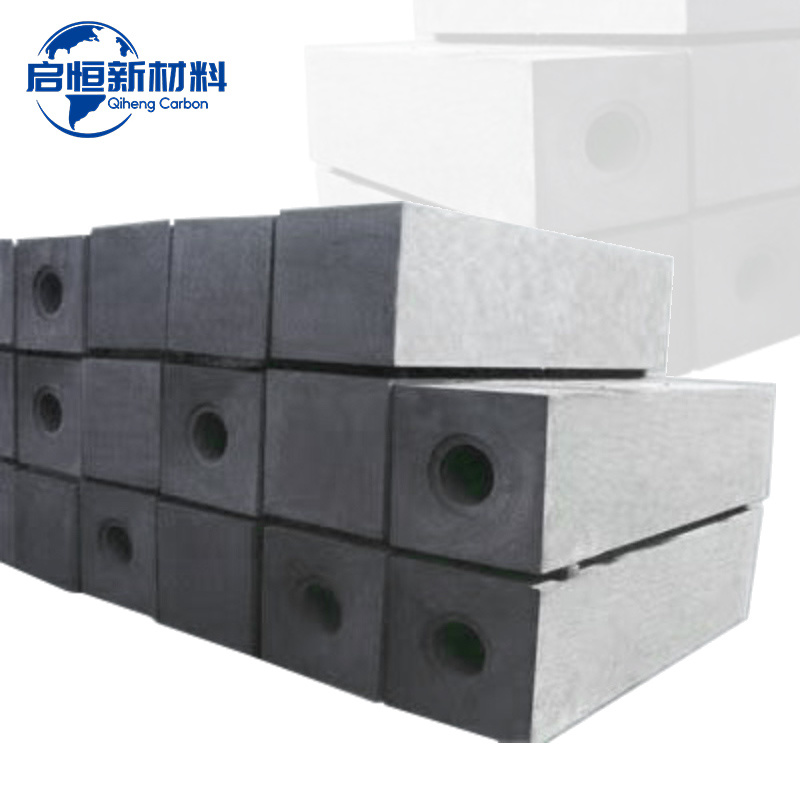
Graphite blocks are pivotal materials in the metallurgy and energy industries, particularly within the non-metallic mineral products sector. These blocks, made from natural or synthetic graphite, possess unique properties that make them suitable for a wide range of applications. One of the most notable characteristics of graphite is its excellent thermal and electrical conductivity. This property
Quick Navigation
Contact Us
Mobile:
+8618031071182(Mr. Chang)
+8613703203188(Mr. Guo)
Address: West of Zholangbao Village, Shangcheng Town, Chengan County, Handan City, Hebei Province
Alibaba Store: