

Understanding Carbon Bricks: Essential Insights for Metallurgy and Non-Metallic Mineral Products
Sep 11,2025


Summary:
Carbon bricks, primarily composed of carbon and other materials, play a pivotal role in a range of industrial applications, especially in the metallurgy sector. These bricks are known for their excellent heat resistance, structural stability, and thermal conductivity, making them indispensable in various high-temperature environments.
In the metallurgy industry, carbon bricks are widely used as li
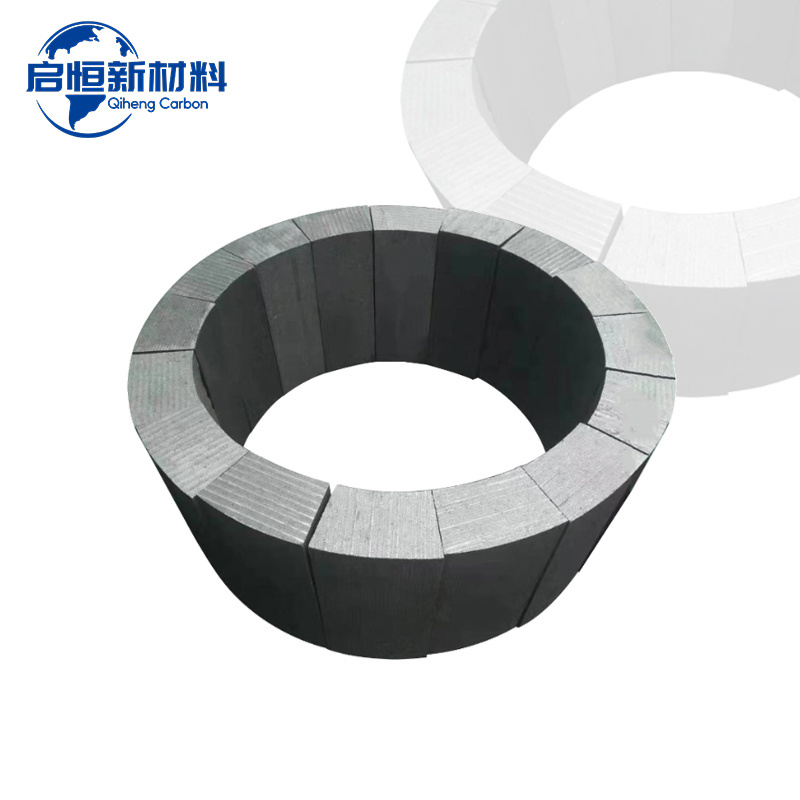
Carbon bricks, primarily composed of carbon and other materials, play a pivotal role in a range of industrial applications, especially in the metallurgy sector. These bricks are known for their excellent heat resistance, structural stability, and thermal conductivity, making them indispensable in various high-temperature environments.
In the metallurgy industry, carbon bricks are widely used as linings for furnaces, kilns, and reactors. Their ability to withstand extreme temperatures allows them to maintain structural integrity and performance in environments where other materials might fail. This characteristic is especially crucial in processes such as steelmaking, where the conditions can be both demanding and variable.
One of the key benefits of carbon bricks is their high thermal conductivity, which facilitates efficient heat transfer. This feature is essential in industries that require precise temperature control for optimal processing. Additionally, carbon bricks exhibit excellent chemical resistance, particularly against acidic and basic environments. This resilience helps prolong the lifespan of the equipment, reducing maintenance downtime and operational costs.
Moreover, carbon bricks can be tailored to specific applications by adjusting their composition and physical properties. This versatility allows manufacturers to produce bricks that meet the unique needs of different processes within the metallurgy and energy sectors. For instance, adding certain additives can enhance their mechanical strength or modify their thermal properties, enabling customized solutions for various operational challenges.
In non-metallic mineral products, carbon bricks are also utilized in applications such as thermal insulation and energy storage. Their ability to retain heat contributes to energy efficiency in industrial processes, which is increasingly important in today’s environmentally conscious landscape. By minimizing energy waste, companies can improve their sustainability metrics and reduce their overall carbon footprint.
Professionals in the metallurgy and non-metallic mineral sectors should consider the selection of carbon bricks carefully, taking into account factors such as temperature resistance, chemical compatibility, and specific application requirements. Understanding the properties of carbon bricks can lead to better decision-making regarding material choice and application strategies, ultimately enhancing operational efficiency and product quality.
In summary, carbon bricks serve as a critical material in various industrial applications, particularly in metallurgy and energy. Their unique properties, including thermal conductivity, heat resistance, and chemical stability, make them a preferred choice for high-demand environments. By investing in the right carbon brick solutions, industries can achieve improved performance, reliability, and sustainability in their operations.
In the metallurgy industry, carbon bricks are widely used as linings for furnaces, kilns, and reactors. Their ability to withstand extreme temperatures allows them to maintain structural integrity and performance in environments where other materials might fail. This characteristic is especially crucial in processes such as steelmaking, where the conditions can be both demanding and variable.
One of the key benefits of carbon bricks is their high thermal conductivity, which facilitates efficient heat transfer. This feature is essential in industries that require precise temperature control for optimal processing. Additionally, carbon bricks exhibit excellent chemical resistance, particularly against acidic and basic environments. This resilience helps prolong the lifespan of the equipment, reducing maintenance downtime and operational costs.
Moreover, carbon bricks can be tailored to specific applications by adjusting their composition and physical properties. This versatility allows manufacturers to produce bricks that meet the unique needs of different processes within the metallurgy and energy sectors. For instance, adding certain additives can enhance their mechanical strength or modify their thermal properties, enabling customized solutions for various operational challenges.
In non-metallic mineral products, carbon bricks are also utilized in applications such as thermal insulation and energy storage. Their ability to retain heat contributes to energy efficiency in industrial processes, which is increasingly important in today’s environmentally conscious landscape. By minimizing energy waste, companies can improve their sustainability metrics and reduce their overall carbon footprint.
Professionals in the metallurgy and non-metallic mineral sectors should consider the selection of carbon bricks carefully, taking into account factors such as temperature resistance, chemical compatibility, and specific application requirements. Understanding the properties of carbon bricks can lead to better decision-making regarding material choice and application strategies, ultimately enhancing operational efficiency and product quality.
In summary, carbon bricks serve as a critical material in various industrial applications, particularly in metallurgy and energy. Their unique properties, including thermal conductivity, heat resistance, and chemical stability, make them a preferred choice for high-demand environments. By investing in the right carbon brick solutions, industries can achieve improved performance, reliability, and sustainability in their operations.
Focus On Hot Spots
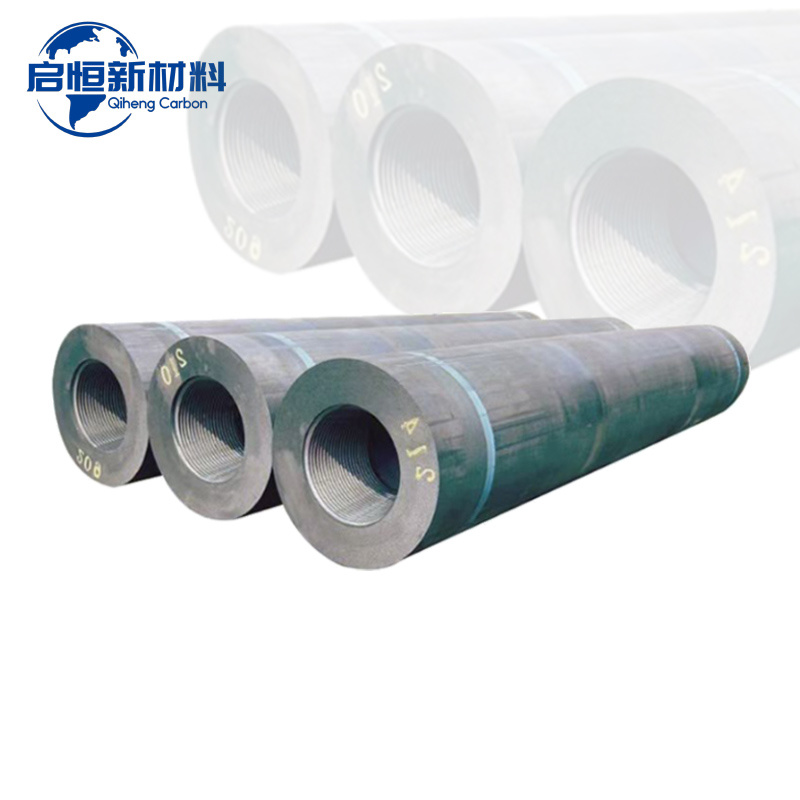
RP Graphite Electrodes: Transforming Conductivity in Metallurgical Processes
RP Graphite Electrodes: Enhancing Conductivity in Metallurgical Applications
Table of Contents
1. Introduction to RP Graphite Electrodes
2. Understanding Graphite and Its Properties
3. The Role of RP Graphite Electrodes in Metallurgy
4. Benefits of Using RP Graphite Electrodes
5. The Manufacturing Process of RP Graphite Electrodes
6. Applications of RP Graphite Electrodes
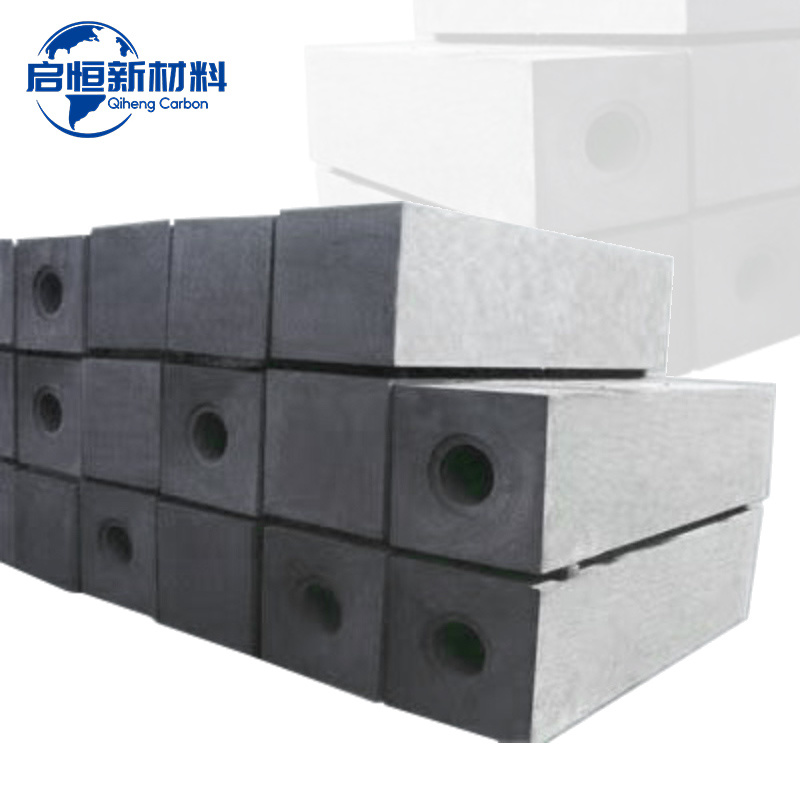
The Essential Guide to Graphite Blocks in Metallurgy and Energy Industries
Graphite blocks are pivotal materials in the metallurgy and energy industries, particularly within the non-metallic mineral products sector. These blocks, made from natural or synthetic graphite, possess unique properties that make them suitable for a wide range of applications. One of the most notable characteristics of graphite is its excellent thermal and electrical conductivity. This property
Quick Navigation
Contact Us
Mobile:
+8618031071182(Mr. Chang)
+8613703203188(Mr. Guo)
Address: West of Zholangbao Village, Shangcheng Town, Chengan County, Handan City, Hebei Province
Alibaba Store: