

Maximizing Output with RP Graphite Electrodes in Steel Production: Strategies for Enhanced Efficiency
Sep 10,2025


Summary:
Maximizing Output with RP Graphite Electrodes in Steel Production
Introduction to RP Graphite Electrodes in Steel Production
The steel industry has long been at the forefront of technological advancements, and one of the critical components driving efficiency and output is the use of **RP graphite electrodes**. These electrodes play a pivotal role in electric arc furnaces (EAFs), facilitating the
Maximizing Output with RP Graphite Electrodes in Steel Production
Introduction to RP Graphite Electrodes in Steel Production
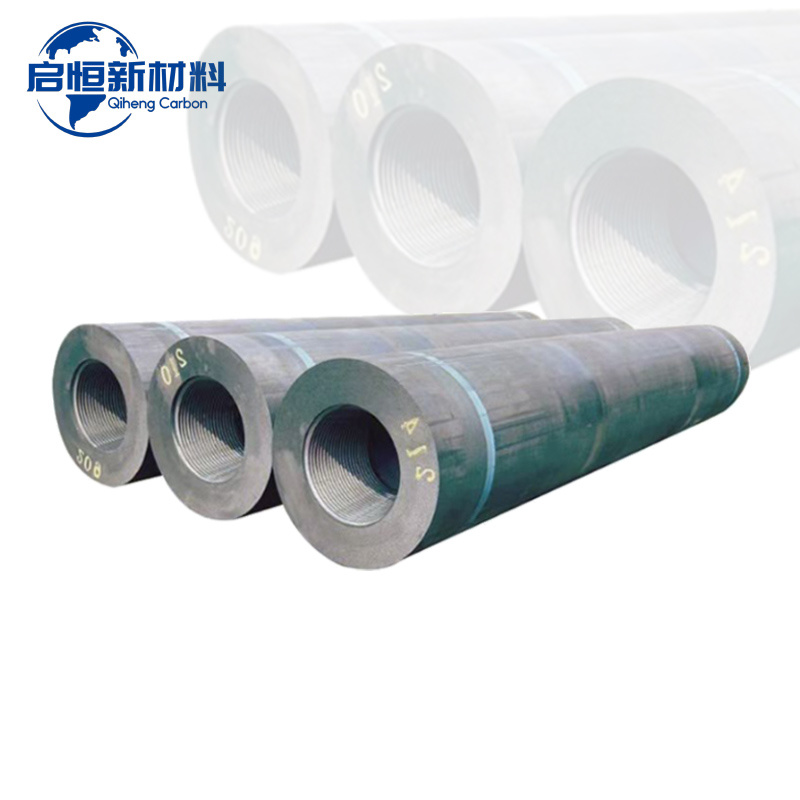
The steel industry has long been at the forefront of technological advancements, and one of the critical components driving efficiency and output is the use of **RP graphite electrodes**. These electrodes play a pivotal role in electric arc furnaces (EAFs), facilitating the melting and refining of steel scrap and other raw materials. As we explore the intricacies of RP graphite electrodes, we will uncover how they can significantly enhance steel production processes.
Understanding RP Graphite Electrodes: An Overview
RP graphite electrodes, or regular power electrodes, are specifically designed for use in electric arc furnaces. Unlike HP (high power) and UHP (ultra-high power) electrodes, RP electrodes are optimized for standard applications. Their design allows them to withstand higher temperatures and electrical conductivity, making them suitable for various steel production methods.
The Composition and Manufacturing of RP Graphite Electrodes
The manufacturing process of RP graphite electrodes involves several stages, including:
1. **Raw Material Selection**: High-quality petroleum needle coke and pitch are selected for their superior properties.
2. **Baking**: The mixture is baked at high temperatures to create a semi-coke material.
3. **Graphitization**: This process involves heating the semi-coke in a carbon furnace at temperatures exceeding 2500°C, transforming it into graphite.
4. **Machining**: The electrodes are then machined to precise dimensions, ensuring they meet industry standards.
This meticulous production process ensures that RP graphite electrodes exhibit excellent thermal conductivity and mechanical strength, crucial for efficient steel production.
The Importance of RP Graphite Electrodes in Steel Production
The role of RP graphite electrodes in steel production cannot be overstated. Their unique properties contribute to several critical aspects of the manufacturing process.
Enhanced Electrical Conductivity
RP graphite electrodes are designed to provide superior electrical conductivity. This characteristic allows for efficient power transfer during the melting process, leading to reduced energy consumption and lower operational costs.
High Thermal Resistance
The ability of RP graphite electrodes to withstand extreme temperatures is vital for the EAF melting process. The electrodes can handle temperatures exceeding 3000°C without degrading, ensuring a consistent performance throughout the production cycle.
Cost-Effectiveness
While the initial investment in RP graphite electrodes may be higher than other electrode types, their longevity and reduced energy requirements lead to significant cost savings over time. This makes them an attractive option for steel manufacturers looking to maximize their output without compromising on quality.
Best Practices for Utilizing RP Graphite Electrodes in Steel Production
To fully leverage the benefits of RP graphite electrodes, it is essential to implement best practices throughout the production process.
Choosing the Right Electrode Size
Selecting the appropriate size and grade of RP graphite electrodes is crucial for optimal performance. Factors such as furnace capacity, production volume, and the type of steel being produced should guide this decision.
Electrode Diameter and Length Considerations
Larger diameters can handle higher currents, while longer electrodes can improve the melting efficiency. Balancing these factors is vital to ensuring maximum output.
Regular Maintenance and Monitoring
Implementing a routine maintenance schedule for RP graphite electrodes is essential. Regular inspections can identify wear and tear, ensuring timely replacements and preventing production downtimes.
Utilizing Advanced Monitoring Technologies
Investing in monitoring technologies can provide real-time data on electrode performance, enabling manufacturers to make informed decisions about when to replace or maintain electrodes.
Case Studies: Successful Implementation of RP Graphite Electrodes
Examining real-world applications of RP graphite electrodes can provide valuable insights into their effectiveness in steel production.
Case Study 1: Steel Mill A’s Efficiency Boost
Steel Mill A implemented RP graphite electrodes in its EAFs, resulting in a 15% increase in melting efficiency. By optimizing electrode size and maintaining a regular monitoring schedule, the mill reduced energy costs significantly.
Case Study 2: Cost Reduction at Steel Plant B
Steel Plant B transitioned from traditional electrodes to RP graphite electrodes, leading to a 20% reduction in operational costs. The plant’s management credited this success to the electrodes' longevity and improved electrical conductivity.
Future Trends in the Use of RP Graphite Electrodes
As the steel industry continues to evolve, so too will the technologies surrounding RP graphite electrodes. Several trends are emerging that will shape their future use:
Increased Demand for Sustainable Practices
With the growing emphasis on sustainability, RP graphite electrodes are likely to play a critical role in the eco-friendly steel production landscape. Their efficient energy usage aligns well with the industry's push for greener practices.
Advancements in Electrode Technology
Research and development efforts are focused on enhancing the properties of RP graphite electrodes. Innovations in materials and manufacturing processes may lead to even higher performance standards in the coming years.
FAQs About RP Graphite Electrodes in Steel Production
What are RP graphite electrodes used for?
RP graphite electrodes are primarily used in electric arc furnaces for melting and refining steel scrap and other raw materials.
How do RP graphite electrodes improve energy efficiency?
RP graphite electrodes enhance electrical conductivity, allowing for more efficient power transfer during the melting process, thereby reducing overall energy consumption.
What factors affect the lifespan of RP graphite electrodes?
Factors such as electrode size, operating conditions, and maintenance practices play a significant role in determining the lifespan of RP graphite electrodes.
Can RP graphite electrodes be recycled?
Yes, RP graphite electrodes can be recycled, contributing to sustainability in the steel production process by reducing waste and resource consumption.
What is the difference between RP, HP, and UHP graphite electrodes?
RP (Regular Power) electrodes are designed for standard applications, while HP (High Power) and UHP (Ultra-High Power) electrodes are optimized for higher current applications, offering greater performance for specific needs.
Conclusion
In the competitive landscape of steel production, maximizing output and efficiency is paramount. RP graphite electrodes present a viable solution for manufacturers aiming to improve their processes. By understanding the benefits, implementing best practices, and staying informed about industry trends, steel producers can harness the full potential of RP graphite electrodes. Investing in these advanced materials is not merely a choice but a strategic decision that can lead to enhanced productivity, cost savings, and a commitment to sustainable practices in the steel industry.
Focus On Hot Spots
RP Graphite Electrodes: Transforming Conductivity in Metallurgical Processes
RP Graphite Electrodes: Enhancing Conductivity in Metallurgical Applications
Table of Contents
1. Introduction to RP Graphite Electrodes
2. Understanding Graphite and Its Properties
3. The Role of RP Graphite Electrodes in Metallurgy
4. Benefits of Using RP Graphite Electrodes
5. The Manufacturing Process of RP Graphite Electrodes
6. Applications of RP Graphite Electrodes
The Essential Guide to Graphite Blocks in Metallurgy and Energy Industries
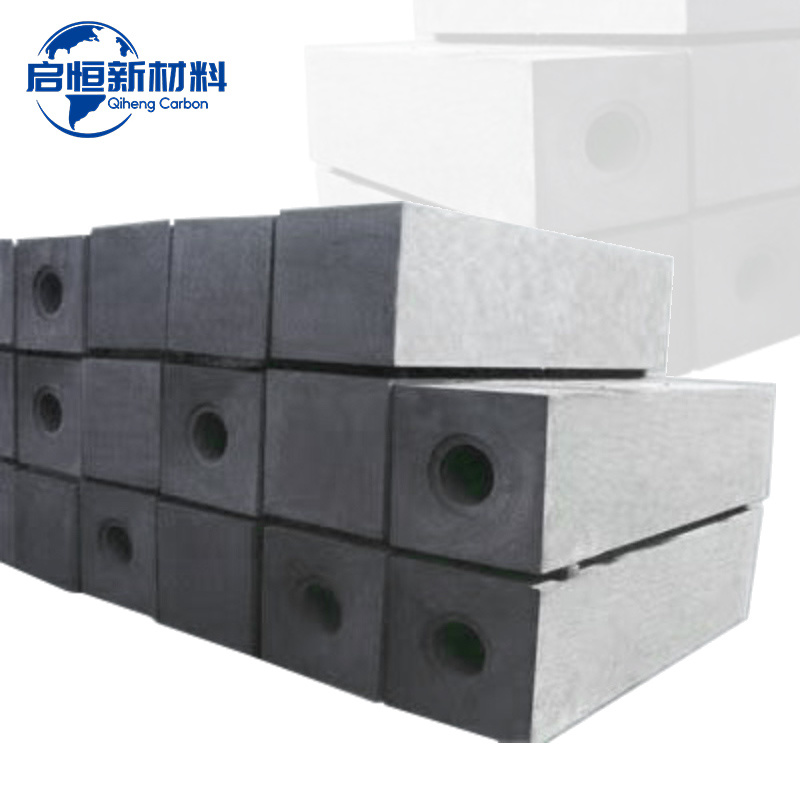
Graphite blocks are pivotal materials in the metallurgy and energy industries, particularly within the non-metallic mineral products sector. These blocks, made from natural or synthetic graphite, possess unique properties that make them suitable for a wide range of applications. One of the most notable characteristics of graphite is its excellent thermal and electrical conductivity. This property
Quick Navigation
Contact Us
Mobile:
+8618031071182(Mr. Chang)
+8613703203188(Mr. Guo)
Address: West of Zholangbao Village, Shangcheng Town, Chengan County, Handan City, Hebei Province
Alibaba Store: