

Unleashing the Power of High Power Graphite Electrodes in Metallurgy
Sep 03,2025


Summary:
High power graphite electrodes are critical components in various industrial processes, particularly in the metallurgy and energy sectors. Their exceptional ability to conduct electricity and withstand high temperatures makes them indispensable in electric arc furnaces, where steel and other metals are produced. Understanding the attributes and applications of high power graphite electrodes can em
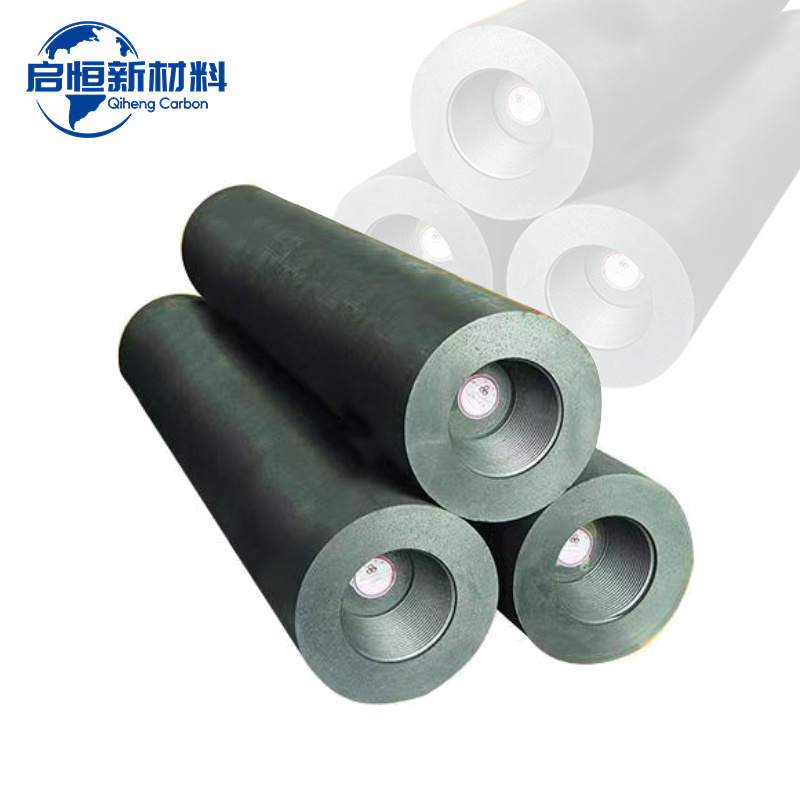
High power graphite electrodes are critical components in various industrial processes, particularly in the metallurgy and energy sectors. Their exceptional ability to conduct electricity and withstand high temperatures makes them indispensable in electric arc furnaces, where steel and other metals are produced. Understanding the attributes and applications of high power graphite electrodes can empower businesses to optimize their operations and enhance product quality.
One of the primary advantages of high power graphite electrodes is their excellent thermal and electrical conductivity. These electrodes are designed to perform efficiently under extreme conditions, allowing for faster and more effective melting of raw materials. This is particularly crucial in the production of steel, where energy efficiency translates to cost savings and reduced environmental impact. The high power variant is engineered to withstand higher current loads, which not only increases the melting rate but also improves overall operational efficiency.
In addition to their use in electric arc furnaces, high power graphite electrodes are also employed in various applications within the non-metallic minerals sector. For instance, they are utilized in the production of silicon and other ferrous alloys. The versatility of these electrodes allows them to cater to different industrial needs, making them a valuable asset in manufacturing processes.
Moreover, the longevity and durability of high power graphite electrodes can significantly reduce the frequency of replacements, contributing to lower operational costs. When selecting the right electrodes for specific applications, it's essential to consider factors such as the quality of the raw materials used in their production, as well as their compatibility with the furnace design and operating conditions.
When it comes to environmental considerations, high power graphite electrodes also play a role in promoting sustainability. Their efficiency in energy consumption can lead to a decrease in greenhouse gas emissions during metal production processes. Companies looking to meet regulatory standards and adopt greener practices can benefit from integrating high power graphite electrodes into their operations.
In conclusion, high power graphite electrodes are pivotal in the metallurgy and energy sectors, offering a range of benefits from enhanced efficiency to improved environmental performance. By investing in high quality electrodes and understanding their applications, businesses can achieve greater productivity while aligning with sustainability goals. As the industry continues to evolve, the role of these electrodes will remain crucial in driving innovation and efficiency in metal production.
One of the primary advantages of high power graphite electrodes is their excellent thermal and electrical conductivity. These electrodes are designed to perform efficiently under extreme conditions, allowing for faster and more effective melting of raw materials. This is particularly crucial in the production of steel, where energy efficiency translates to cost savings and reduced environmental impact. The high power variant is engineered to withstand higher current loads, which not only increases the melting rate but also improves overall operational efficiency.
In addition to their use in electric arc furnaces, high power graphite electrodes are also employed in various applications within the non-metallic minerals sector. For instance, they are utilized in the production of silicon and other ferrous alloys. The versatility of these electrodes allows them to cater to different industrial needs, making them a valuable asset in manufacturing processes.
Moreover, the longevity and durability of high power graphite electrodes can significantly reduce the frequency of replacements, contributing to lower operational costs. When selecting the right electrodes for specific applications, it's essential to consider factors such as the quality of the raw materials used in their production, as well as their compatibility with the furnace design and operating conditions.
When it comes to environmental considerations, high power graphite electrodes also play a role in promoting sustainability. Their efficiency in energy consumption can lead to a decrease in greenhouse gas emissions during metal production processes. Companies looking to meet regulatory standards and adopt greener practices can benefit from integrating high power graphite electrodes into their operations.
In conclusion, high power graphite electrodes are pivotal in the metallurgy and energy sectors, offering a range of benefits from enhanced efficiency to improved environmental performance. By investing in high quality electrodes and understanding their applications, businesses can achieve greater productivity while aligning with sustainability goals. As the industry continues to evolve, the role of these electrodes will remain crucial in driving innovation and efficiency in metal production.
Previous:
Focus On Hot Spots
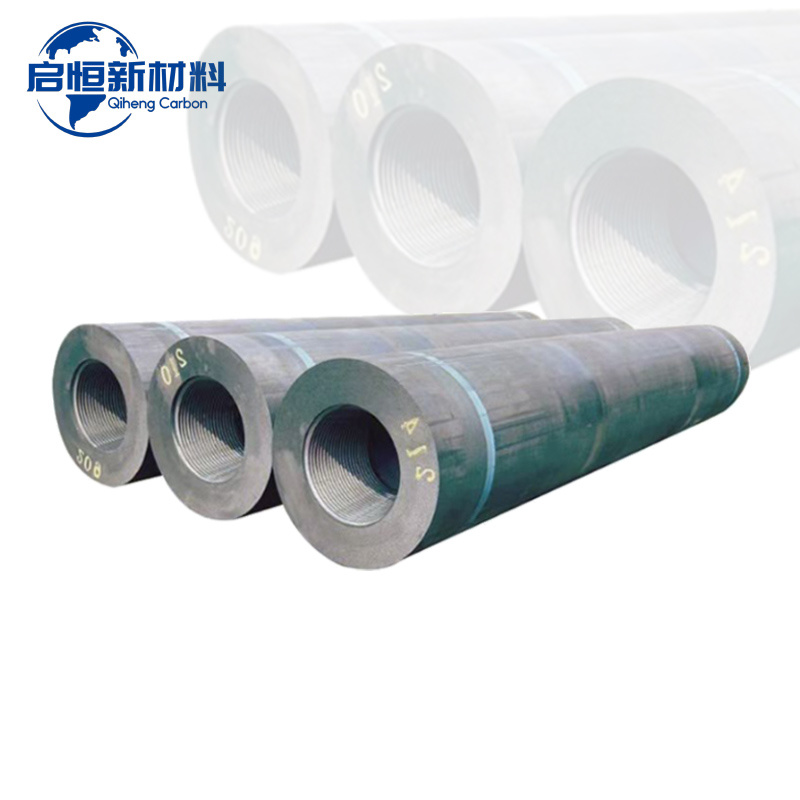
RP Graphite Electrodes: Transforming Conductivity in Metallurgical Processes
RP Graphite Electrodes: Enhancing Conductivity in Metallurgical Applications
Table of Contents
1. Introduction to RP Graphite Electrodes
2. Understanding Graphite and Its Properties
3. The Role of RP Graphite Electrodes in Metallurgy
4. Benefits of Using RP Graphite Electrodes
5. The Manufacturing Process of RP Graphite Electrodes
6. Applications of RP Graphite Electrodes
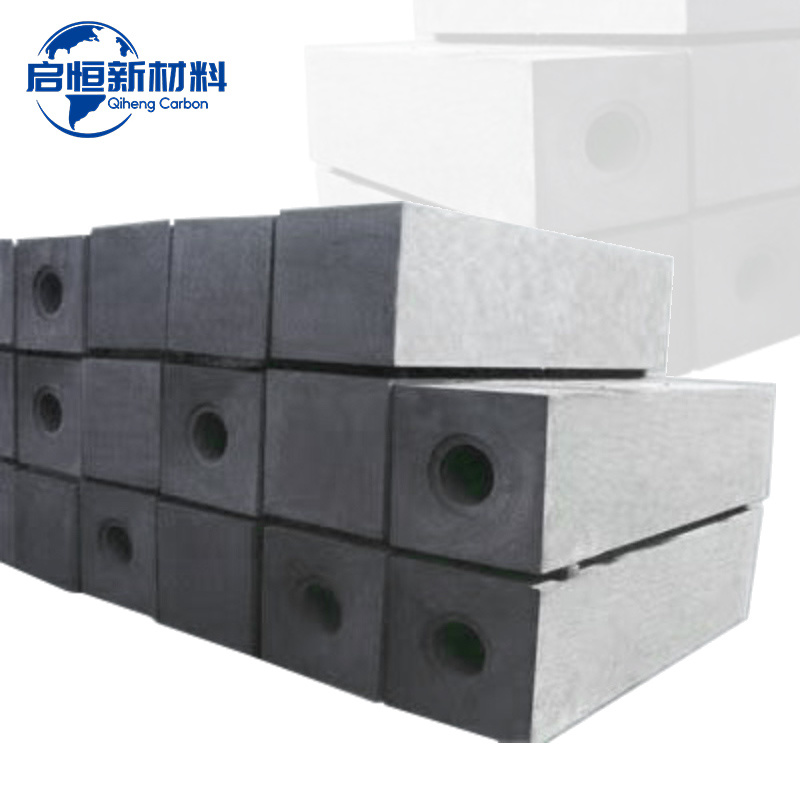
The Essential Guide to Graphite Blocks in Metallurgy and Energy Industries
Graphite blocks are pivotal materials in the metallurgy and energy industries, particularly within the non-metallic mineral products sector. These blocks, made from natural or synthetic graphite, possess unique properties that make them suitable for a wide range of applications. One of the most notable characteristics of graphite is its excellent thermal and electrical conductivity. This property
Quick Navigation
Contact Us
Mobile:
+8618031071182(Mr. Chang)
+8613703203188(Mr. Guo)
Address: West of Zholangbao Village, Shangcheng Town, Chengan County, Handan City, Hebei Province
Alibaba Store: