

The Essential Role of Graphite Electrode Carbon Bricks in Metallurgy and Energy
Aug 16,2025


Summary:
Graphite electrode carbon bricks are integral components in various metallurgical and energy applications, particularly within the non-metallic mineral sector. These specialized materials are characterized by their high thermal conductivity, chemical resistance, and mechanical strength, making them indispensable in high-temperature environments such as electric arc furnaces (EAFs) and other indust
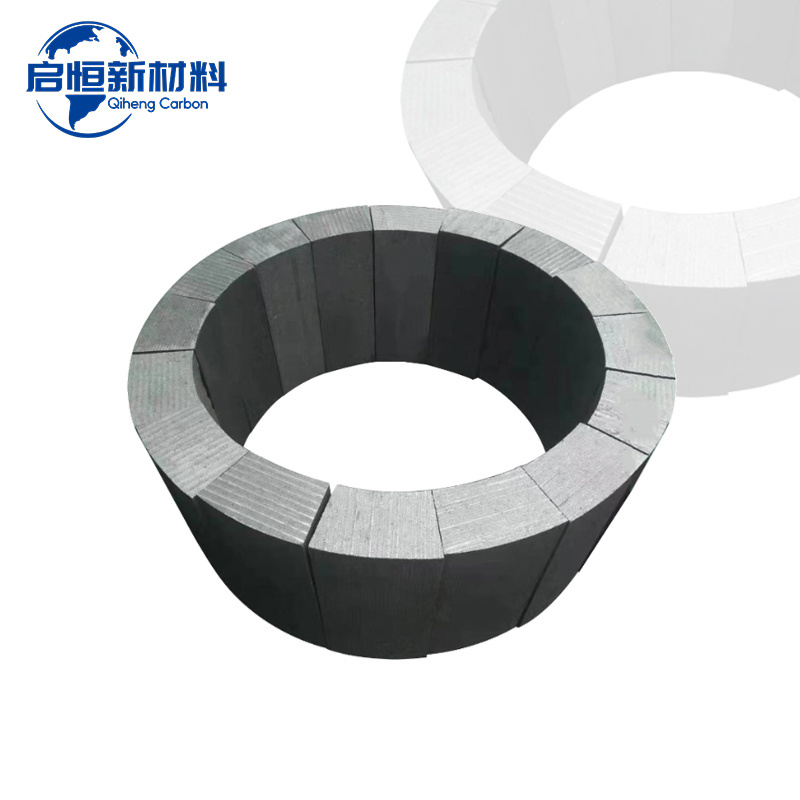
Graphite electrode carbon bricks are integral components in various metallurgical and energy applications, particularly within the non-metallic mineral sector. These specialized materials are characterized by their high thermal conductivity, chemical resistance, and mechanical strength, making them indispensable in high-temperature environments such as electric arc furnaces (EAFs) and other industrial applications.
Firstly, let's delve into the composition of graphite electrode carbon bricks. Made primarily from high-purity natural flake graphite, these bricks are engineered to withstand extreme temperatures and oxidative conditions. The unique crystalline structure of graphite allows for efficient heat transfer, essential for processes like steelmaking and aluminum production. When used in EAFs, graphite electrode carbon bricks facilitate the conversion of electrical energy into thermal energy, thereby melting scrap metal and producing high-quality steel.
Additionally, the durability of these carbon bricks plays a crucial role in enhancing the operational lifespan of equipment. Their ability to withstand thermal shock and erosion from chemical reactions ensures that not only is the production process efficient, but also the maintenance costs are reduced. This longevity translates into significant savings for industries relying on these materials, allowing for more sustainable production methods.
Moreover, graphite electrode carbon bricks contribute to energy efficiency in industrial applications. With rising energy costs and increasing environmental regulations, industries are under pressure to optimize their operations. The high thermal conductivity of graphite allows for quicker melting times, reducing energy consumption and minimizing carbon emissions. This characteristic positions graphite electrode carbon bricks as a key player in the transition towards greener manufacturing practices.
It's also worth noting that advancements in the production and application of these bricks are ongoing. Research and development in material science continue to enhance the properties of graphite electrode carbon bricks, making them even more efficient and resilient. Innovations such as the incorporation of nano-materials or the development of composite structures show promise in further improving their performance.
In conclusion, graphite electrode carbon bricks are essential to the metallurgical and energy sectors, serving pivotal roles in efficient production processes. Their unique properties, such as high thermal conductivity and chemical resistance, not only improve operational efficiency but also contribute to sustainability efforts within the industry. As the demand for advanced materials continues to grow, graphite electrode carbon bricks will undoubtedly remain a cornerstone in the evolution of metallurgical practices. Understanding their significance can provide valuable insights for professionals navigating this dynamic field.
Firstly, let's delve into the composition of graphite electrode carbon bricks. Made primarily from high-purity natural flake graphite, these bricks are engineered to withstand extreme temperatures and oxidative conditions. The unique crystalline structure of graphite allows for efficient heat transfer, essential for processes like steelmaking and aluminum production. When used in EAFs, graphite electrode carbon bricks facilitate the conversion of electrical energy into thermal energy, thereby melting scrap metal and producing high-quality steel.
Additionally, the durability of these carbon bricks plays a crucial role in enhancing the operational lifespan of equipment. Their ability to withstand thermal shock and erosion from chemical reactions ensures that not only is the production process efficient, but also the maintenance costs are reduced. This longevity translates into significant savings for industries relying on these materials, allowing for more sustainable production methods.
Moreover, graphite electrode carbon bricks contribute to energy efficiency in industrial applications. With rising energy costs and increasing environmental regulations, industries are under pressure to optimize their operations. The high thermal conductivity of graphite allows for quicker melting times, reducing energy consumption and minimizing carbon emissions. This characteristic positions graphite electrode carbon bricks as a key player in the transition towards greener manufacturing practices.
It's also worth noting that advancements in the production and application of these bricks are ongoing. Research and development in material science continue to enhance the properties of graphite electrode carbon bricks, making them even more efficient and resilient. Innovations such as the incorporation of nano-materials or the development of composite structures show promise in further improving their performance.
In conclusion, graphite electrode carbon bricks are essential to the metallurgical and energy sectors, serving pivotal roles in efficient production processes. Their unique properties, such as high thermal conductivity and chemical resistance, not only improve operational efficiency but also contribute to sustainability efforts within the industry. As the demand for advanced materials continues to grow, graphite electrode carbon bricks will undoubtedly remain a cornerstone in the evolution of metallurgical practices. Understanding their significance can provide valuable insights for professionals navigating this dynamic field.
Focus On Hot Spots
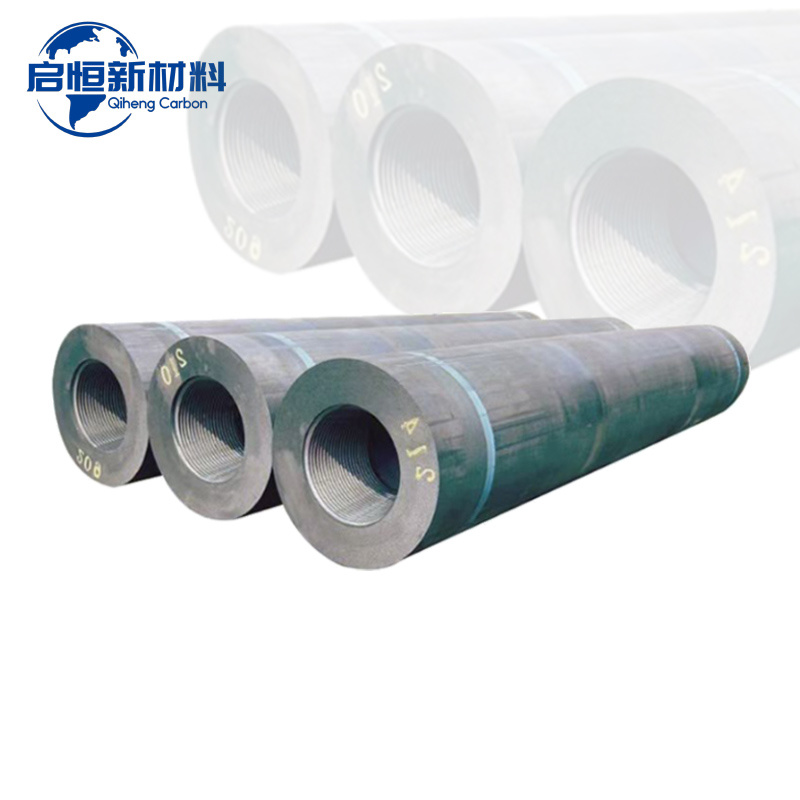
RP Graphite Electrodes: Transforming Conductivity in Metallurgical Processes
RP Graphite Electrodes: Enhancing Conductivity in Metallurgical Applications
Table of Contents
1. Introduction to RP Graphite Electrodes
2. Understanding Graphite and Its Properties
3. The Role of RP Graphite Electrodes in Metallurgy
4. Benefits of Using RP Graphite Electrodes
5. The Manufacturing Process of RP Graphite Electrodes
6. Applications of RP Graphite Electrodes
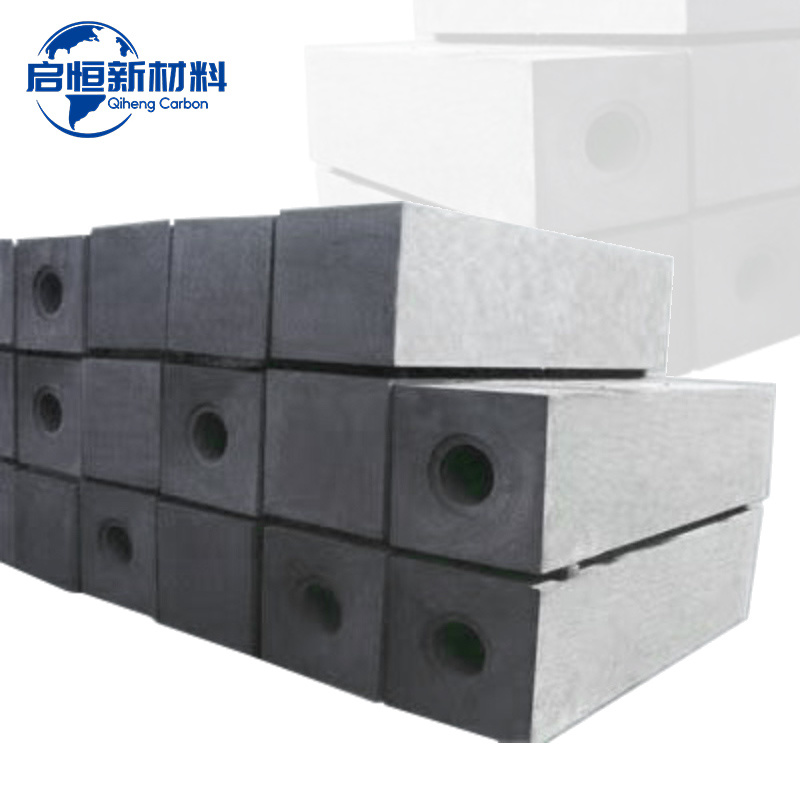
The Essential Guide to Graphite Blocks in Metallurgy and Energy Industries
Graphite blocks are pivotal materials in the metallurgy and energy industries, particularly within the non-metallic mineral products sector. These blocks, made from natural or synthetic graphite, possess unique properties that make them suitable for a wide range of applications. One of the most notable characteristics of graphite is its excellent thermal and electrical conductivity. This property
Quick Navigation
Contact Us
Mobile:
+8618031071182(Mr. Chang)
+8613703203188(Mr. Guo)
Address: West of Zholangbao Village, Shangcheng Town, Chengan County, Handan City, Hebei Province
Alibaba Store: