

Understanding Graphite Electrodes: Essential Components in Steel Making
Aug 14,2025


Summary:
Graphite electrodes play a crucial role in the steel-making process, particularly in electric arc furnaces (EAF). They are essential for conducting electricity and generating the high temperatures required to melt scrap steel and other raw materials. The unique properties of graphite, such as its high thermal and electrical conductivity, make it an ideal material for these electrodes.
In steel-ma
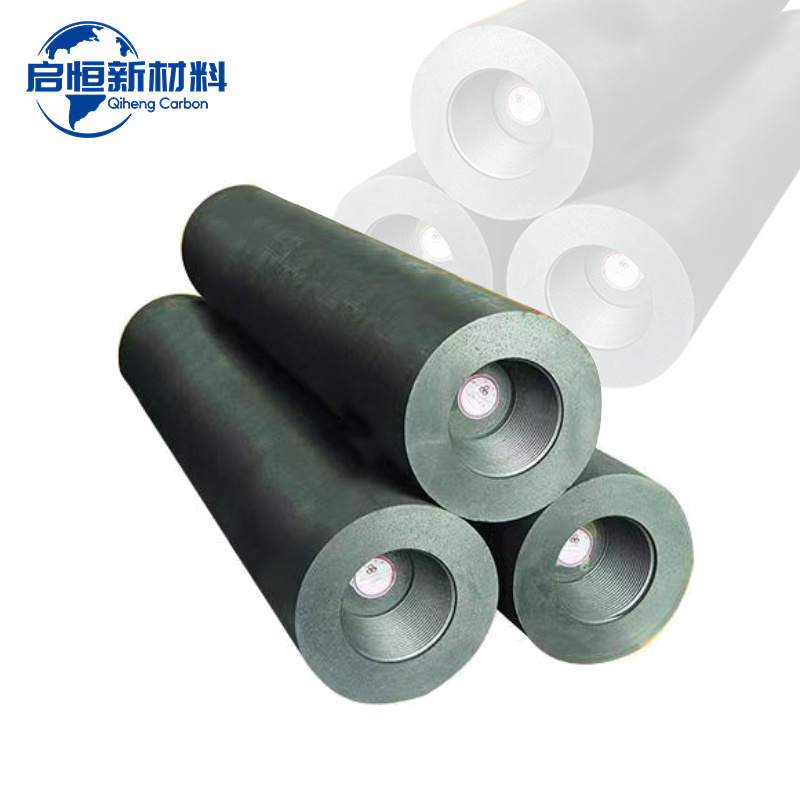
Graphite electrodes play a crucial role in the steel-making process, particularly in electric arc furnaces (EAF). They are essential for conducting electricity and generating the high temperatures required to melt scrap steel and other raw materials. The unique properties of graphite, such as its high thermal and electrical conductivity, make it an ideal material for these electrodes.
In steel-making, the primary function of graphite electrodes is to facilitate the electric arc furnace process. When a powerful electric current passes through the electrodes, it creates an arc between the electrodes and the charge, generating extreme heat that melts the metal. The efficiency of this process largely depends on the quality and characteristics of the graphite electrodes used.
One of the key advantages of using graphite electrodes in steel-making is their ability to withstand high temperatures and resist oxidation. This durability reduces the frequency of electrode replacement, leading to lower operational costs and increased productivity. Additionally, graphite’s thermal stability means that it can operate effectively in harsh conditions without significant wear and tear over time.
Graphite electrodes are produced from high-purity petroleum or needle coke through a meticulous process that involves baking, graphitization, and machining. The quality of the raw materials and the production process directly influence the performance of the electrodes, impacting their conductivity, thermal resistance, and overall lifespan.
Another important aspect to consider in the use of graphite electrodes for steel-making is their environmental impact. As industries strive for sustainability, there is a growing focus on the recycling of used electrodes and the reduction of emissions during production. The industry is continuously innovating, aiming to develop more eco-friendly alternatives while maintaining efficiency and performance.
When selecting graphite electrodes for steel-making, it’s essential to consider factors such as the type of steel being produced, the specifications of the electric arc furnace, and the operational conditions. Various grades of graphite electrodes are available, tailored to meet specific requirements, including variations in size, diameter, and resistance levels.
In summary, graphite electrodes are indispensable in the steel-making industry, offering excellent conductivity, durability, and efficiency. Their production process and material quality are critical for ensuring optimal performance in electric arc furnaces. As the industry evolves, attention to environmental responsibilities and innovations will continue to shape the future of graphite electrodes in steel production.
In steel-making, the primary function of graphite electrodes is to facilitate the electric arc furnace process. When a powerful electric current passes through the electrodes, it creates an arc between the electrodes and the charge, generating extreme heat that melts the metal. The efficiency of this process largely depends on the quality and characteristics of the graphite electrodes used.
One of the key advantages of using graphite electrodes in steel-making is their ability to withstand high temperatures and resist oxidation. This durability reduces the frequency of electrode replacement, leading to lower operational costs and increased productivity. Additionally, graphite’s thermal stability means that it can operate effectively in harsh conditions without significant wear and tear over time.
Graphite electrodes are produced from high-purity petroleum or needle coke through a meticulous process that involves baking, graphitization, and machining. The quality of the raw materials and the production process directly influence the performance of the electrodes, impacting their conductivity, thermal resistance, and overall lifespan.
Another important aspect to consider in the use of graphite electrodes for steel-making is their environmental impact. As industries strive for sustainability, there is a growing focus on the recycling of used electrodes and the reduction of emissions during production. The industry is continuously innovating, aiming to develop more eco-friendly alternatives while maintaining efficiency and performance.
When selecting graphite electrodes for steel-making, it’s essential to consider factors such as the type of steel being produced, the specifications of the electric arc furnace, and the operational conditions. Various grades of graphite electrodes are available, tailored to meet specific requirements, including variations in size, diameter, and resistance levels.
In summary, graphite electrodes are indispensable in the steel-making industry, offering excellent conductivity, durability, and efficiency. Their production process and material quality are critical for ensuring optimal performance in electric arc furnaces. As the industry evolves, attention to environmental responsibilities and innovations will continue to shape the future of graphite electrodes in steel production.
Focus On Hot Spots
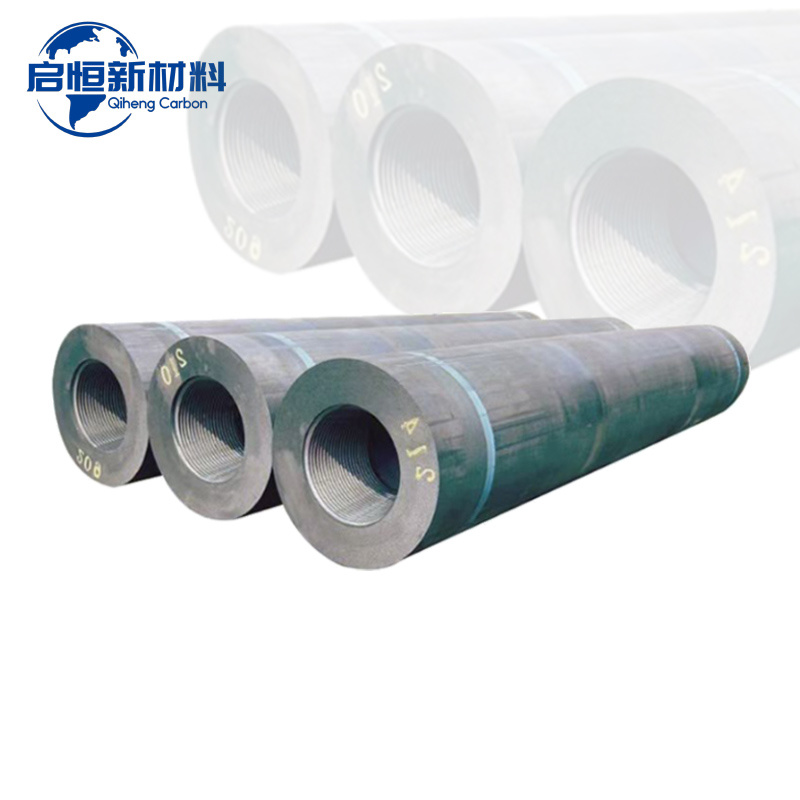
RP Graphite Electrodes: Transforming Conductivity in Metallurgical Processes
RP Graphite Electrodes: Enhancing Conductivity in Metallurgical Applications
Table of Contents
1. Introduction to RP Graphite Electrodes
2. Understanding Graphite and Its Properties
3. The Role of RP Graphite Electrodes in Metallurgy
4. Benefits of Using RP Graphite Electrodes
5. The Manufacturing Process of RP Graphite Electrodes
6. Applications of RP Graphite Electrodes
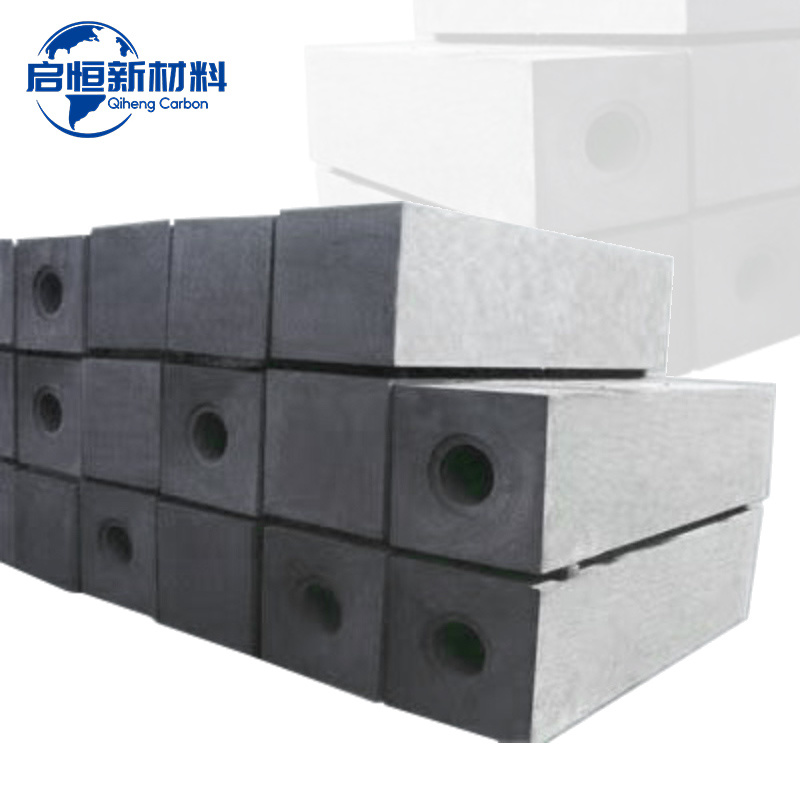
The Essential Guide to Graphite Blocks in Metallurgy and Energy Industries
Graphite blocks are pivotal materials in the metallurgy and energy industries, particularly within the non-metallic mineral products sector. These blocks, made from natural or synthetic graphite, possess unique properties that make them suitable for a wide range of applications. One of the most notable characteristics of graphite is its excellent thermal and electrical conductivity. This property
Quick Navigation
Contact Us
Mobile:
+8618031071182(Mr. Chang)
+8613703203188(Mr. Guo)
Address: West of Zholangbao Village, Shangcheng Town, Chengan County, Handan City, Hebei Province
Alibaba Store: