

Understanding Graphite Powder: Properties, Applications, and Benefits in Non-Metallic Mineral Products
Aug 08,2025


Summary:
Graphite powder, a fine form of graphite, is derived from natural sources or synthetic processes. Known for its unique physical and chemical properties, it plays a critical role in numerous applications across industries. Its high thermal conductivity, lubricity, and resistance to heat and corrosion make it particularly attractive for use in metallurgy and energy sectors.
One of the most significa
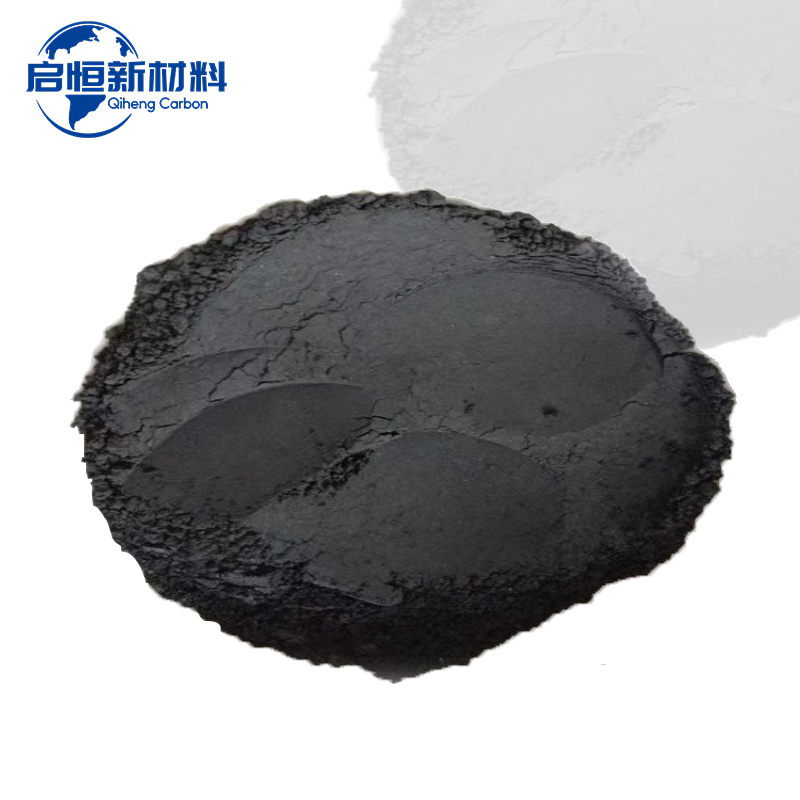
Graphite powder, a fine form of graphite, is derived from natural sources or synthetic processes. Known for its unique physical and chemical properties, it plays a critical role in numerous applications across industries. Its high thermal conductivity, lubricity, and resistance to heat and corrosion make it particularly attractive for use in metallurgy and energy sectors.
One of the most significant characteristics of graphite powder is its ability to withstand extreme temperatures without altering its structural integrity. This property makes it a preferred choice for high-temperature lubricants, where it helps reduce friction and wear in machinery, thereby enhancing their operational efficiency. In the metallurgy industry, graphite powder is utilized as a component in the production of various alloys and composites, contributing to improved mechanical properties and performance.
In addition to its applications in lubricants and alloys, graphite powder is widely used in the manufacture of batteries, particularly lithium-ion batteries. Its excellent electrical conductivity enhances the performance and lifespan of these energy storage systems. As the demand for renewable energy sources continues to rise, the role of graphite powder in battery technology is becoming increasingly vital, making it a key focus for research and development.
Moreover, the use of graphite powder in the production of refractories cannot be overlooked. Its high melting point and resistance to thermal shock ensure that refractories can withstand the extreme conditions found in industrial furnaces and kilns. This makes graphite powder indispensable in the steel and iron industries, where maintaining high performance and durability is essential.
In addition to these applications, graphite powder is also utilized in various other sectors, including the production of paints and coatings, where it serves as a reinforcement material. Its ability to improve thermal stability and reduce wear makes it an attractive additive in these formulations. Furthermore, graphite powder can be found in the manufacturing of lubricating greases, where it serves to enhance the lubrication properties, ensuring longevity and efficiency in machinery operations.
Overall, graphite powder is a versatile material with a wide range of applications in the metallurgy and non-metallic mineral products industries. Its unique properties not only improve the performance of various products but also contribute to the advancement of technologies aimed at enhancing energy efficiency and sustainability. For professionals in the field, understanding the full potential of graphite powder can lead to innovative solutions and improved product offerings.
One of the most significant characteristics of graphite powder is its ability to withstand extreme temperatures without altering its structural integrity. This property makes it a preferred choice for high-temperature lubricants, where it helps reduce friction and wear in machinery, thereby enhancing their operational efficiency. In the metallurgy industry, graphite powder is utilized as a component in the production of various alloys and composites, contributing to improved mechanical properties and performance.
In addition to its applications in lubricants and alloys, graphite powder is widely used in the manufacture of batteries, particularly lithium-ion batteries. Its excellent electrical conductivity enhances the performance and lifespan of these energy storage systems. As the demand for renewable energy sources continues to rise, the role of graphite powder in battery technology is becoming increasingly vital, making it a key focus for research and development.
Moreover, the use of graphite powder in the production of refractories cannot be overlooked. Its high melting point and resistance to thermal shock ensure that refractories can withstand the extreme conditions found in industrial furnaces and kilns. This makes graphite powder indispensable in the steel and iron industries, where maintaining high performance and durability is essential.
In addition to these applications, graphite powder is also utilized in various other sectors, including the production of paints and coatings, where it serves as a reinforcement material. Its ability to improve thermal stability and reduce wear makes it an attractive additive in these formulations. Furthermore, graphite powder can be found in the manufacturing of lubricating greases, where it serves to enhance the lubrication properties, ensuring longevity and efficiency in machinery operations.
Overall, graphite powder is a versatile material with a wide range of applications in the metallurgy and non-metallic mineral products industries. Its unique properties not only improve the performance of various products but also contribute to the advancement of technologies aimed at enhancing energy efficiency and sustainability. For professionals in the field, understanding the full potential of graphite powder can lead to innovative solutions and improved product offerings.
Focus On Hot Spots
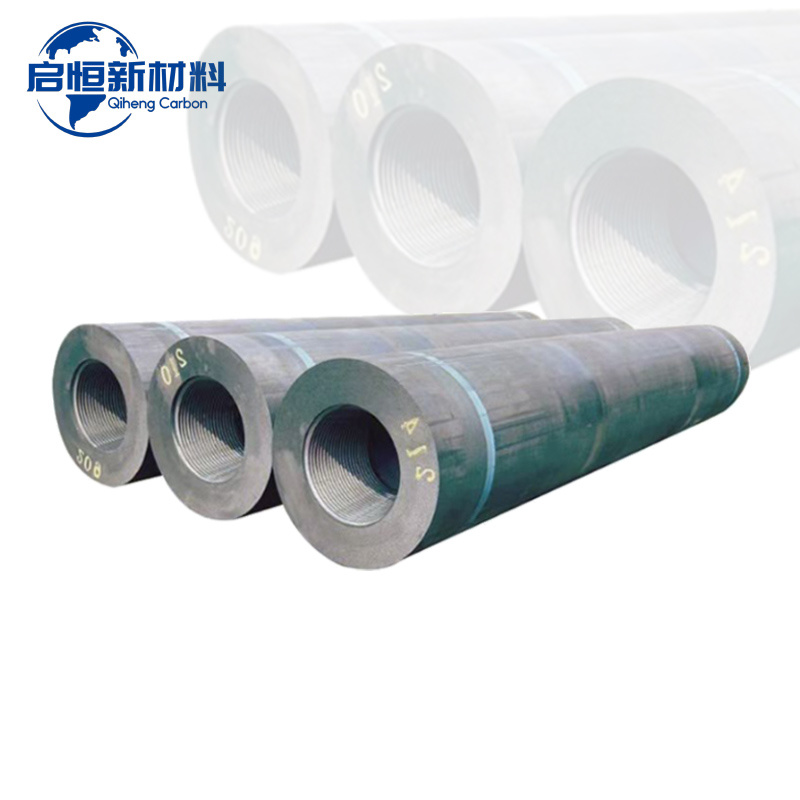
RP Graphite Electrodes: Transforming Conductivity in Metallurgical Processes
RP Graphite Electrodes: Enhancing Conductivity in Metallurgical Applications
Table of Contents
1. Introduction to RP Graphite Electrodes
2. Understanding Graphite and Its Properties
3. The Role of RP Graphite Electrodes in Metallurgy
4. Benefits of Using RP Graphite Electrodes
5. The Manufacturing Process of RP Graphite Electrodes
6. Applications of RP Graphite Electrodes
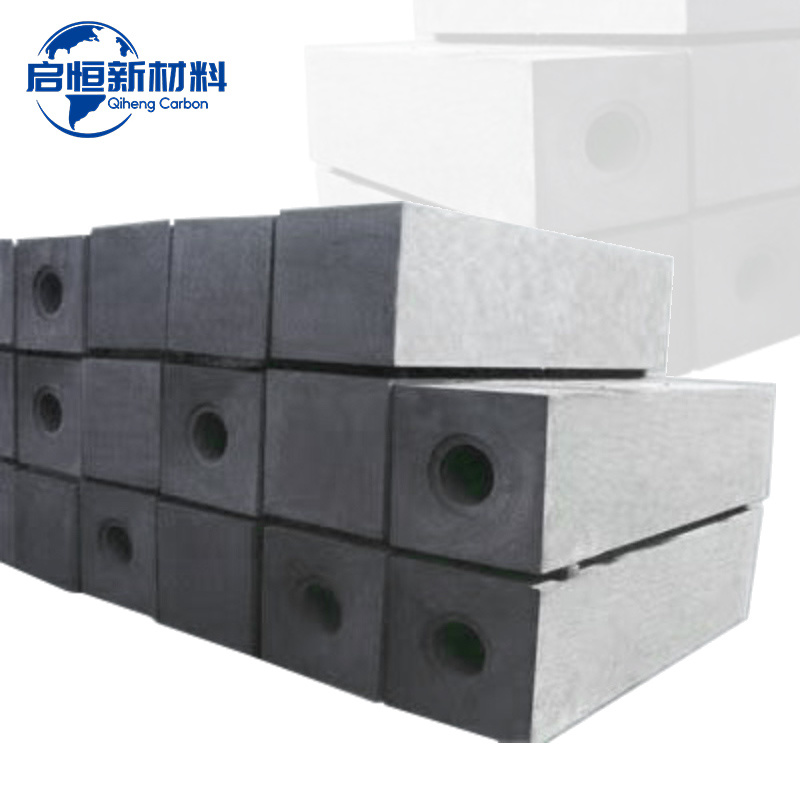
The Essential Guide to Graphite Blocks in Metallurgy and Energy Industries
Graphite blocks are pivotal materials in the metallurgy and energy industries, particularly within the non-metallic mineral products sector. These blocks, made from natural or synthetic graphite, possess unique properties that make them suitable for a wide range of applications. One of the most notable characteristics of graphite is its excellent thermal and electrical conductivity. This property
Quick Navigation
Contact Us
Mobile:
+8618031071182(Mr. Chang)
+8613703203188(Mr. Guo)
Address: West of Zholangbao Village, Shangcheng Town, Chengan County, Handan City, Hebei Province
Alibaba Store: