

Petroleum Coke vs. Other Fuel Sources: A Comprehensive Comparison
Aug 07,2025


Summary:
Petroleum Coke vs. Other Fuel Sources: A Comprehensive Comparison
Table of Contents
1. Introduction to Petroleum Coke and Its Relevance
2. What is Petroleum Coke?
3. The Production Process of Petroleum Coke
4. Properties and Characteristics of Petroleum Coke
5. Comparison of Petroleum Coke with Other Fuel Sources
5.1 Petroleum Coke vs. Coal
5.2
Petroleum Coke vs. Other Fuel Sources: A Comprehensive Comparison
Table of Contents
- 1. Introduction to Petroleum Coke and Its Relevance
- 2. What is Petroleum Coke?
- 3. The Production Process of Petroleum Coke
- 4. Properties and Characteristics of Petroleum Coke
- 5. Comparison of Petroleum Coke with Other Fuel Sources
- 6. Environmental Impact of Petroleum Coke
- 7. Economic Considerations of Using Petroleum Coke
- 8. Future Outlook: The Role of Petroleum Coke in Energy Transition
- 9. FAQs
- 10. Conclusion
1. Introduction to Petroleum Coke and Its Relevance
In the quest for efficient and sustainable energy sources, **petroleum coke** has emerged as a significant player in the energy landscape. As a byproduct of the oil refining process, petroleum coke is often compared with other fuel sources such as coal, natural gas, and biofuels. Understanding its properties, production, and environmental impact is crucial for industries that rely on these energy sources.
2. What is Petroleum Coke?
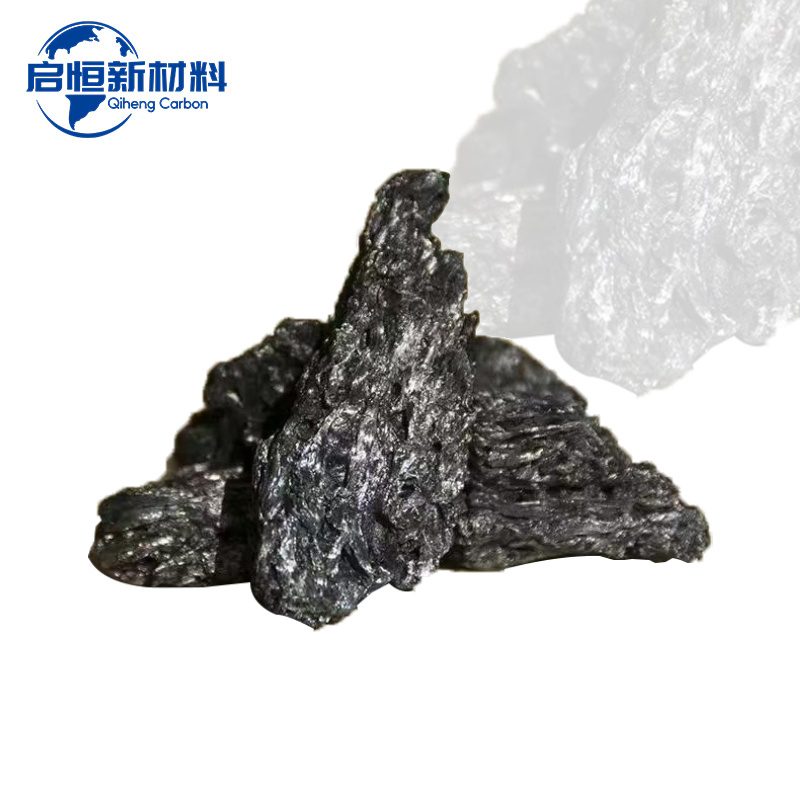
**Petroleum coke**, commonly referred to as petcoke, is a solid carbonaceous material derived from the thermal cracking of petroleum residues. There are two main types of petroleum coke: **green coke** and **calcined coke**. Green coke is produced directly from the coker unit in a refinery, while calcined coke is processed further by heating it to remove volatile materials, resulting in a higher carbon content.
3. The Production Process of Petroleum Coke
The production of petroleum coke begins in the **coker unit** of a refinery, where heavy crude oil is subjected to thermal cracking. This process breaks down the larger hydrocarbon molecules into smaller ones, yielding lighter hydrocarbons and solid coke. The resulting petroleum coke can vary in quality based on the crude oil source and the specific conditions under which it was produced.
4. Properties and Characteristics of Petroleum Coke
Petroleum coke exhibits distinct properties that make it a valuable fuel source. It has a high carbon content, typically around **80% to 90%**, which translates to a high energy density. Additionally, petcoke has a low sulfur content, especially in its calcined form, making it a more environmentally friendly option compared to high-sulfur coal. Its physical characteristics include:
- **High calorific value**: This makes it an efficient energy source for various applications.
- **Low ash content**: Reduces the amount of waste produced during combustion.
- **Versatility**: Used in cement kilns, power generation, and as a feedstock for producing aluminum.
5. Comparison of Petroleum Coke with Other Fuel Sources
In this section, we will compare petroleum coke with other common fuel sources, shedding light on their advantages and drawbacks.
5.1 Petroleum Coke vs. Coal
When comparing **petroleum coke** to **coal**, several factors come into play:
- **Energy Efficiency**: Petroleum coke generally has a higher calorific value than coal, making it a more efficient fuel source.
- **Environmental Impact**: Petcoke produces fewer emissions during combustion compared to coal, particularly concerning sulfur dioxide and particulate matter.
- **Cost**: The price of petroleum coke can fluctuate based on crude oil prices, whereas coal tends to have more stable pricing. However, petcoke is often less expensive than high-quality coal.
5.2 Petroleum Coke vs. Natural Gas
Natural gas is often touted as a cleaner fossil fuel. However, when considering petroleum coke, we observe:
- **Carbon Emissions**: Natural gas burns cleaner than petroleum coke, resulting in lower carbon dioxide emissions. However, the extraction process for natural gas can result in methane leaks, which are potent greenhouse gases.
- **Energy Content**: While natural gas has a high energy content, petroleum coke can provide more energy per ton, making it advantageous in high-energy-demand settings.
5.3 Petroleum Coke vs. Biofuels
Biofuels are often viewed as the sustainable alternative to fossil fuels. However, a comparison with petroleum coke reveals:
- **Sustainability**: Biofuels are renewable, while petroleum coke is a non-renewable resource. However, petcoke's efficient energy output can make it a pragmatic choice in certain applications.
- **Cost Efficiency**: Biofuels can be more expensive to produce than petroleum coke, which is often readily available in oil refinery operations.
6. Environmental Impact of Petroleum Coke
Although petroleum coke has advantages over other fuel sources, its environmental impact cannot be overlooked. Burning petcoke releases greenhouse gases, and in some cases, heavy metals and other pollutants can be emitted if not properly managed. Regulatory measures are essential to mitigate these environmental concerns:
- **Carbon Capture**: Technologies like carbon capture and storage can help reduce emissions associated with petcoke combustion.
- **Sustainability Initiatives**: Emphasizing sustainable practices in the production and use of petroleum coke can alleviate some of the negative environmental impacts.
7. Economic Considerations of Using Petroleum Coke
The economic implications of using petroleum coke are significant. It is generally more cost-effective than other fossil fuels due to its high availability and relatively low production costs. Additionally, the versatility of petroleum coke allows it to be used across various industries, including:
- **Cement Manufacturing**: As a primary fuel source.
- **Power Generation**: In specific power plants designed to utilize petcoke.
- **Aluminum Production**: Serving as a vital feedstock.
8. Future Outlook: The Role of Petroleum Coke in Energy Transition
As the world shifts toward more sustainable energy practices, the future role of petroleum coke remains to be seen. While it helps bridge the gap in energy demand, its long-term viability will depend on:
- **Technological Advances**: Innovations in cleaner combustion technologies and carbon capture methods can enhance the sustainability of petcoke.
- **Regulatory Frameworks**: Policies that promote cleaner fuels and penalize high emissions will influence the market dynamics surrounding petroleum coke.
9. FAQs
What is petroleum coke used for?
Petroleum coke is primarily used as a fuel source in industries such as cement manufacturing and power generation, as well as a feedstock in aluminum production.
How does petroleum coke compare to coal in terms of emissions?
Petroleum coke generally produces fewer emissions than coal, particularly in terms of sulfur dioxide and particulate matter.
Is petroleum coke a renewable resource?
No, petroleum coke is a non-renewable resource derived from the oil refining process.
What are the main advantages of using petroleum coke?
The main advantages include high energy density, lower cost compared to coal, and a lower environmental impact in terms of certain emissions.
Can petroleum coke be used in residential heating systems?
While it is primarily used in industrial applications, some specialized systems can utilize petroleum coke for residential heating.
10. Conclusion
In conclusion, petroleum coke serves as a formidable fuel source in comparison to alternatives like coal, natural gas, and biofuels. While its efficiency and cost-effectiveness are compelling, the environmental impact and sustainability aspects necessitate careful consideration. As industries evolve and seek greener solutions, the future of petroleum coke will hinge on technological advancements and regulatory frameworks. Understanding these dynamics is essential for stakeholders in the energy sector, ensuring that they make informed choices that balance economic viability with environmental responsibility.
Focus On Hot Spots
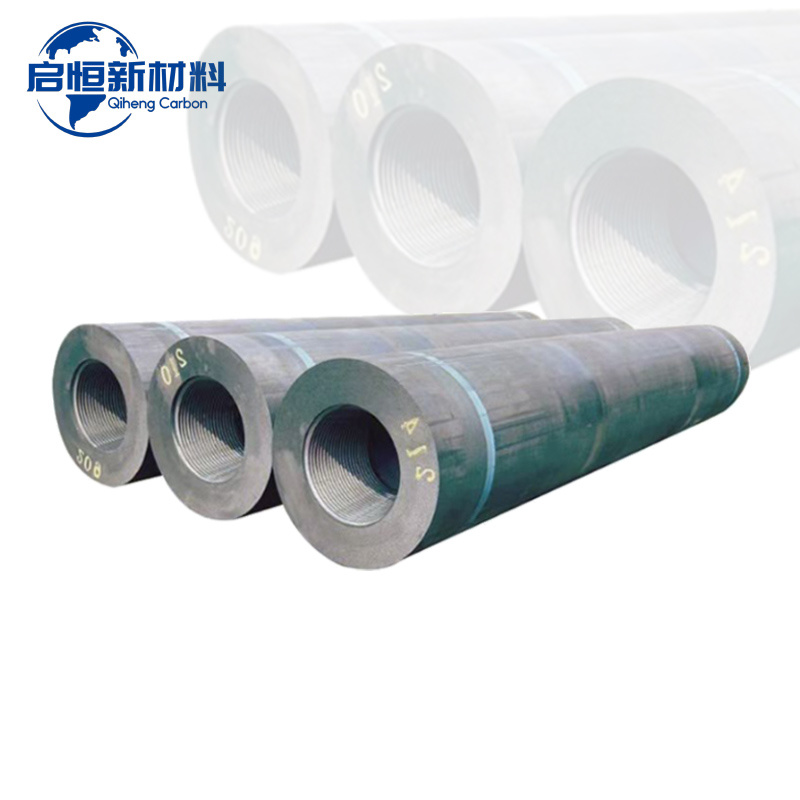
RP Graphite Electrodes: Transforming Conductivity in Metallurgical Processes
RP Graphite Electrodes: Enhancing Conductivity in Metallurgical Applications
Table of Contents
1. Introduction to RP Graphite Electrodes
2. Understanding Graphite and Its Properties
3. The Role of RP Graphite Electrodes in Metallurgy
4. Benefits of Using RP Graphite Electrodes
5. The Manufacturing Process of RP Graphite Electrodes
6. Applications of RP Graphite Electrodes
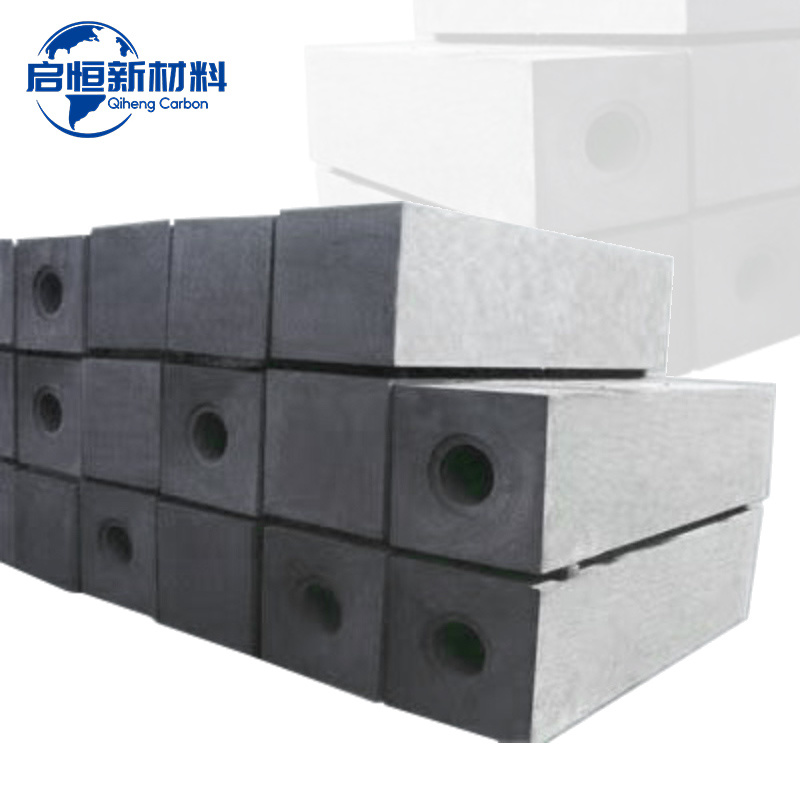
The Essential Guide to Graphite Blocks in Metallurgy and Energy Industries
Graphite blocks are pivotal materials in the metallurgy and energy industries, particularly within the non-metallic mineral products sector. These blocks, made from natural or synthetic graphite, possess unique properties that make them suitable for a wide range of applications. One of the most notable characteristics of graphite is its excellent thermal and electrical conductivity. This property
Quick Navigation
Contact Us
Mobile:
+8618031071182(Mr. Chang)
+8613703203188(Mr. Guo)
Address: West of Zholangbao Village, Shangcheng Town, Chengan County, Handan City, Hebei Province
Alibaba Store: