

Understanding Carbon Bricks: Applications and Benefits in the Metallurgy and Energy Sectors
Aug 06,2025


Summary:
Carbon bricks are specialized refractory materials composed primarily of carbon, which offer exceptional thermal and mechanical properties. Their unique composition allows them to withstand high temperatures and harsh chemical environments, making them indispensable in numerous industrial applications. In the metallurgy sector, carbon bricks are predominantly used in the lining of furnaces, kilns,
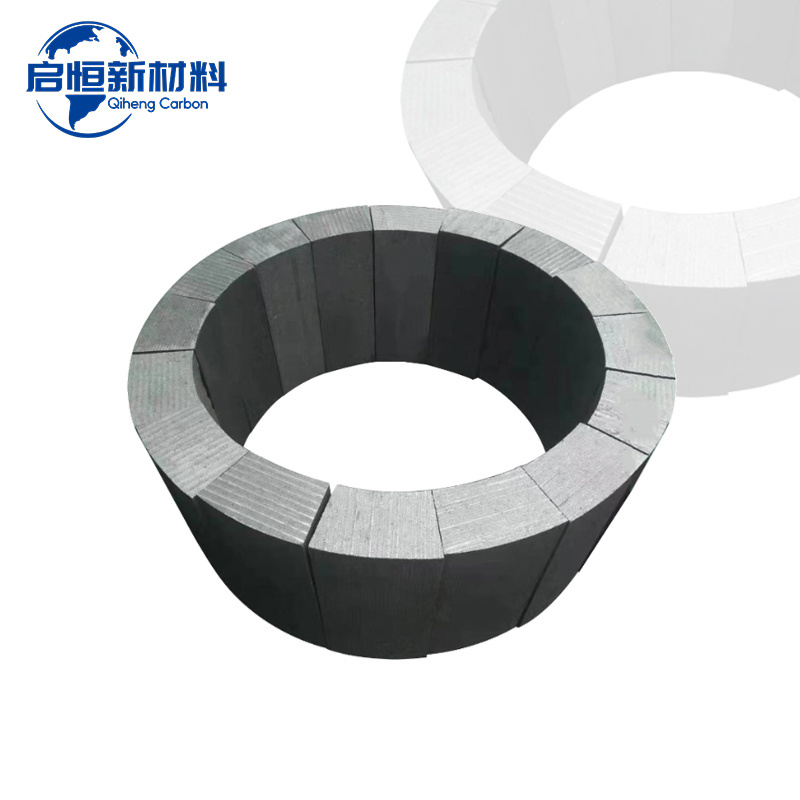
Carbon bricks are specialized refractory materials composed primarily of carbon, which offer exceptional thermal and mechanical properties. Their unique composition allows them to withstand high temperatures and harsh chemical environments, making them indispensable in numerous industrial applications. In the metallurgy sector, carbon bricks are predominantly used in the lining of furnaces, kilns, and converters. Their ability to resist thermal shock and corrosion plays a crucial role in enhancing the efficiency and longevity of these high-temperature processing units.
One of the primary advantages of carbon bricks is their excellent thermal conductivity. This property enables even heat distribution within furnaces, which is critical for processes such as smelting, refining, and heat treatment. By optimizing heat management, carbon bricks help reduce energy consumption and improve overall productivity in metallurgical operations.
Additionally, carbon bricks exhibit significant resistance to chemical attack, especially from alkalis and acids. This characteristic is particularly beneficial in environments where aggressive substances are present, as it ensures the integrity of the furnace lining and minimizes downtime due to repairs or replacements. Their resistance to oxidation also contributes to their durability, further extending the operational lifespan of the equipment.
In energy applications, carbon bricks find use in the construction of gasification reactors and other high-temperature energy conversion systems. Their ability to withstand extreme conditions while maintaining structural stability is crucial for efficient energy production. Furthermore, the use of carbon bricks can aid in the reduction of greenhouse gas emissions by enhancing the efficiency of energy conversion processes, aligning with the industry's push towards sustainability.
The manufacturing process of carbon bricks typically involves the compaction of a carbonaceous material, followed by a heat treatment phase that further enhances their properties. The careful selection of raw materials and precise control of production parameters are essential to ensure the quality and performance of the final product. This attention to detail not only contributes to the longevity of carbon bricks but also ensures they meet the rigorous standards required in industrial applications.
In conclusion, carbon bricks are vital components in the metallurgy and energy sectors, offering numerous benefits such as high thermal conductivity, chemical resistance, and durability. As industries continue to evolve and seek ways to improve efficiency and sustainability, the role of carbon bricks will undoubtedly remain significant. Understanding their properties and applications can help professionals make informed decisions regarding material selection and process optimization.
One of the primary advantages of carbon bricks is their excellent thermal conductivity. This property enables even heat distribution within furnaces, which is critical for processes such as smelting, refining, and heat treatment. By optimizing heat management, carbon bricks help reduce energy consumption and improve overall productivity in metallurgical operations.
Additionally, carbon bricks exhibit significant resistance to chemical attack, especially from alkalis and acids. This characteristic is particularly beneficial in environments where aggressive substances are present, as it ensures the integrity of the furnace lining and minimizes downtime due to repairs or replacements. Their resistance to oxidation also contributes to their durability, further extending the operational lifespan of the equipment.
In energy applications, carbon bricks find use in the construction of gasification reactors and other high-temperature energy conversion systems. Their ability to withstand extreme conditions while maintaining structural stability is crucial for efficient energy production. Furthermore, the use of carbon bricks can aid in the reduction of greenhouse gas emissions by enhancing the efficiency of energy conversion processes, aligning with the industry's push towards sustainability.
The manufacturing process of carbon bricks typically involves the compaction of a carbonaceous material, followed by a heat treatment phase that further enhances their properties. The careful selection of raw materials and precise control of production parameters are essential to ensure the quality and performance of the final product. This attention to detail not only contributes to the longevity of carbon bricks but also ensures they meet the rigorous standards required in industrial applications.
In conclusion, carbon bricks are vital components in the metallurgy and energy sectors, offering numerous benefits such as high thermal conductivity, chemical resistance, and durability. As industries continue to evolve and seek ways to improve efficiency and sustainability, the role of carbon bricks will undoubtedly remain significant. Understanding their properties and applications can help professionals make informed decisions regarding material selection and process optimization.
Focus On Hot Spots
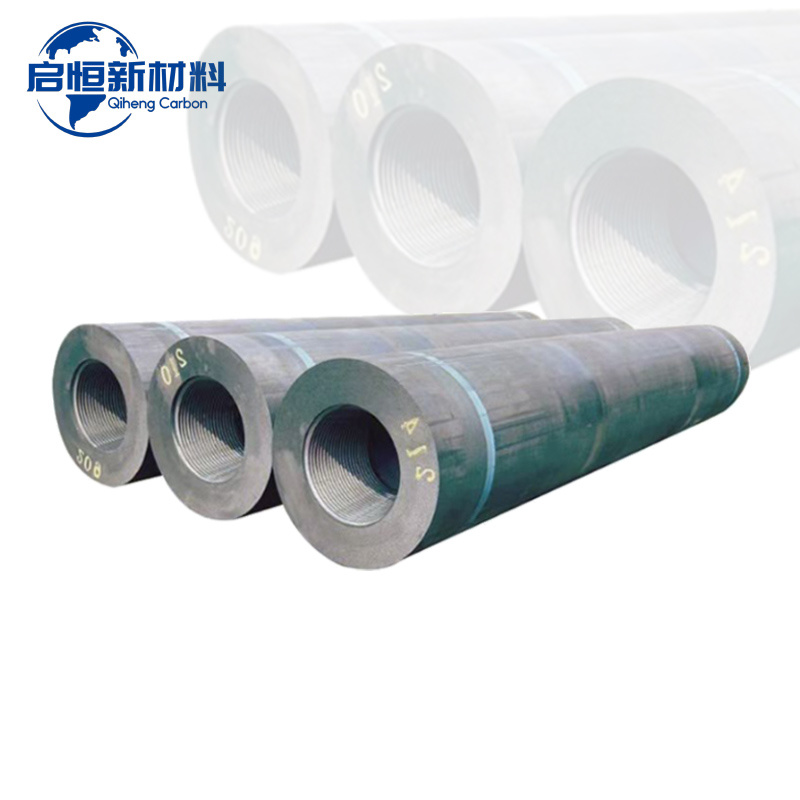
RP Graphite Electrodes: Transforming Conductivity in Metallurgical Processes
RP Graphite Electrodes: Enhancing Conductivity in Metallurgical Applications
Table of Contents
1. Introduction to RP Graphite Electrodes
2. Understanding Graphite and Its Properties
3. The Role of RP Graphite Electrodes in Metallurgy
4. Benefits of Using RP Graphite Electrodes
5. The Manufacturing Process of RP Graphite Electrodes
6. Applications of RP Graphite Electrodes
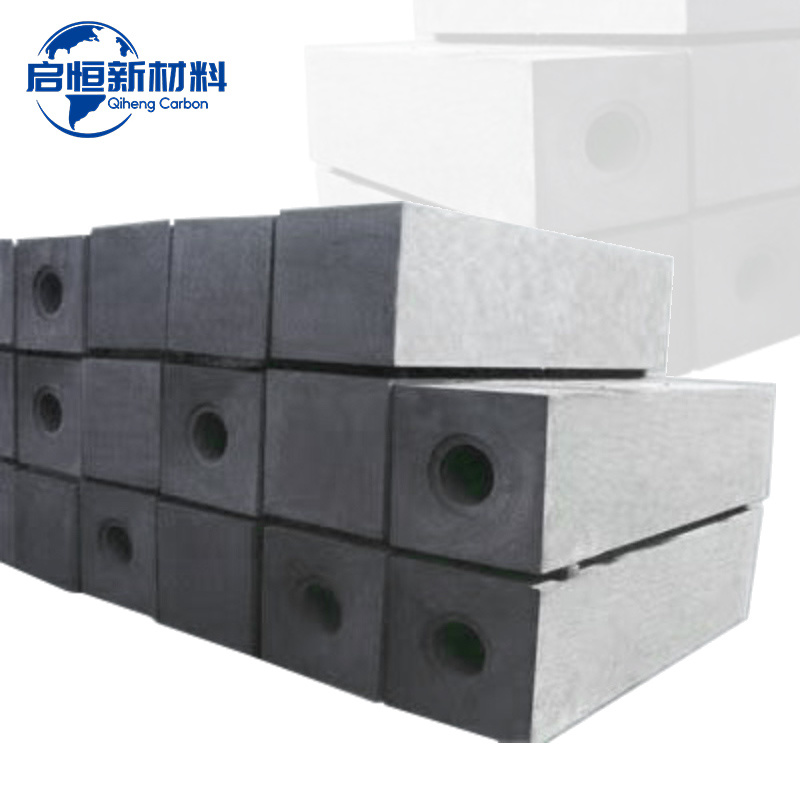
The Essential Guide to Graphite Blocks in Metallurgy and Energy Industries
Graphite blocks are pivotal materials in the metallurgy and energy industries, particularly within the non-metallic mineral products sector. These blocks, made from natural or synthetic graphite, possess unique properties that make them suitable for a wide range of applications. One of the most notable characteristics of graphite is its excellent thermal and electrical conductivity. This property
Quick Navigation
Contact Us
Mobile:
+8618031071182(Mr. Chang)
+8613703203188(Mr. Guo)
Address: West of Zholangbao Village, Shangcheng Town, Chengan County, Handan City, Hebei Province
Alibaba Store: