

Key Factors to Consider When Choosing Carbon Graphite Electrodes for Optimal Performance
Mar 25,2025


Summary:
Key Factors to Consider When Choosing Carbon Graphite Electrodes for Optimal Performance
The choice of carbon graphite electrodes plays a crucial role in various applications, primarily in the metallurgical industry, where efficiency and quality are paramount. Understanding the key factors influencing electrode performance can significantly impact production outcomes. This article delves into the
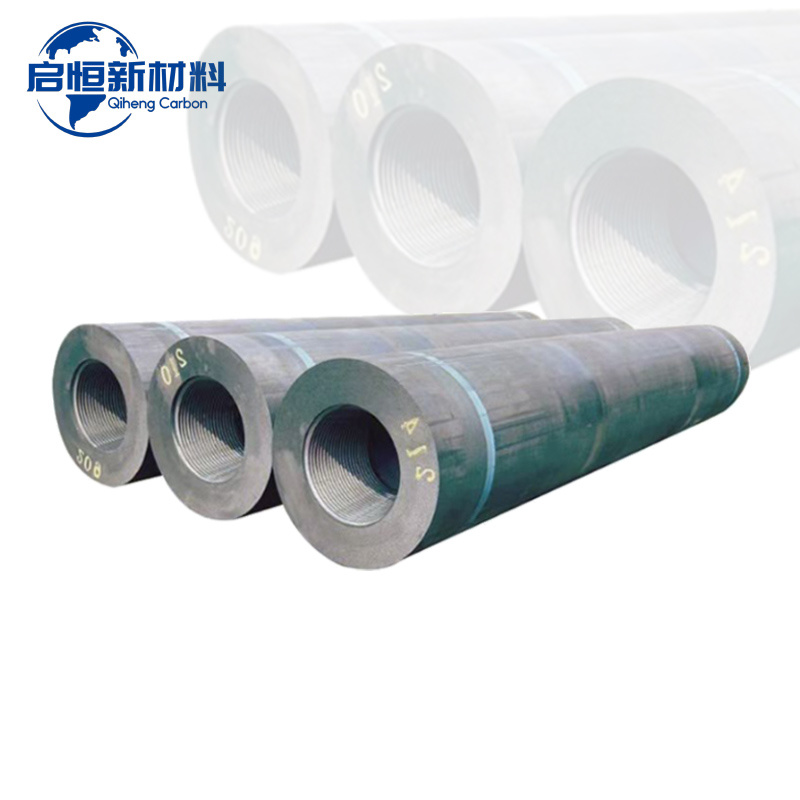
Key Factors to Consider When Choosing Carbon Graphite Electrodes for Optimal Performance
The choice of carbon graphite electrodes plays a crucial role in various applications, primarily in the metallurgical industry, where efficiency and quality are paramount. Understanding the key factors influencing electrode performance can significantly impact production outcomes. This article delves into the intricacies of selecting the right carbon graphite electrodes, ensuring you have a well-rounded approach to your decision-making process.
Table of Contents
1. Introduction to Carbon Graphite Electrodes
2. Importance of Material Composition
3. Current Rating and Electrical Conductivity
4. Mechanical Strength and Durability
5. Thermal Properties and Heat Resistance
6. Size and Shape Considerations
7. Cost-Effectiveness and Economic Factors
8. Environmental and Safety Regulations
9. FAQs About Carbon Graphite Electrodes
10. Conclusion
1. Introduction to Carbon Graphite Electrodes
Carbon graphite electrodes are essential components in electric arc furnaces (EAF) and other high-temperature applications where electrical conductivity and thermal resistance are critical. These electrodes facilitate the melting of metals and alloys, making the selection process vital for achieving optimal performance and efficiency.
2. Importance of Material Composition
The **material composition** of carbon graphite electrodes significantly affects their performance. High-quality electrodes are typically made from a blend of petroleum coke and coal tar pitch, providing enhanced properties such as electrical conductivity and mechanical strength. When choosing electrodes, consider the following:
2.1 Types of Carbon Graphite
There are two primary types of carbon graphite: **synthetic and natural**. Synthetic graphite is produced through a controlled process, offering superior quality, while natural graphite is derived from mining. Selecting the appropriate type can influence the performance parameters crucial to your application.
2.2 Purity Levels
The purity of the materials used directly impacts the **electrode's thermal and electrical properties**. Higher purity levels typically lead to better conductivity, lower resistivity, and enhanced overall performance.
3. Current Rating and Electrical Conductivity
The **current rating** of carbon graphite electrodes is a critical factor to consider. It determines how much electrical current the electrode can withstand without degrading. Selecting electrodes with appropriate current ratings ensures that they can effectively handle the demands of your specific application.
3.1 Conductivity Measurement
Electrical conductivity is often measured in **siemens per meter (S/m)**. Higher conductivity values indicate better performance, allowing for more efficient melting processes. When evaluating electrodes, always check their specified conductivity ratings.
4. Mechanical Strength and Durability
Mechanical strength is another fundamental factor in the selection of carbon graphite electrodes. The ability to withstand physical stress during operation is essential for maintaining efficiency and safety within metallurgical processes.
4.1 Flexural Strength
**Flexural strength** refers to the ability of the electrode to resist deformation under load. A higher flexural strength ensures that the electrode will maintain its shape and integrity during operation, preventing premature failures.
4.2 Impact Resistance
Electrodes may experience sudden shocks or impacts during use. Therefore, understanding the impact resistance of the material is essential to avoid breakage or degradation.
5. Thermal Properties and Heat Resistance
Carbon graphite electrodes must exhibit excellent thermal properties to perform effectively under high temperatures. The following aspects are crucial:
5.1 Thermal Conductivity
Thermal conductivity determines how well heat is transferred through the electrode. High thermal conductivity is essential for efficient melting processes, ensuring minimal energy loss and maximizing productivity.
5.2 Heat Resistance
The ability to withstand extreme temperatures without degradation is critical. Look for electrodes that maintain their structural integrity even when subjected to prolonged high heat.
6. Size and Shape Considerations
The size and shape of carbon graphite electrodes influence their performance and suitability for specific applications.
6.1 Diameter and Length
Electrodes come in various diameters and lengths, which should align with your equipment specifications. The correct size ensures that the electrode fits properly and functions efficiently within the electric arc furnace.
6.2 Custom Shapes
In some cases, custom-shaped electrodes may be required for specific applications. Manufacturers often provide tailored solutions to meet unique operational demands, enhancing overall performance.
7. Cost-Effectiveness and Economic Factors
While performance is critical, cost-effectiveness also plays a significant role in electrode selection.
7.1 Initial vs. Long-term Costs
Evaluate both the initial purchase price and the long-term operational costs associated with the electrodes. High-quality electrodes may come at a premium but can lead to significant savings through reduced downtime and maintenance needs over time.
7.2 Supplier Reputation
Choosing reputable suppliers can further enhance cost-effectiveness. Established manufacturers often provide better quality assurance, warranties, and customer support, ultimately protecting your investment.
8. Environmental and Safety Regulations
In today's industrial landscape, compliance with **environmental and safety regulations** is non-negotiable. Ensure that the electrodes you choose meet the necessary standards set by regulatory bodies to avoid potential legal issues and promote safe operational practices.
8.1 Sustainability Practices
Consider suppliers who employ sustainable practices in their manufacturing processes. This not only benefits the environment but may also enhance your company’s reputation and compliance with environmental standards.
8.2 Safety Certifications
Verify that the electrodes come with appropriate safety certifications, indicating that they meet industry standards for safe use and handling.
9. FAQs About Carbon Graphite Electrodes
9.1 What are carbon graphite electrodes used for?
Carbon graphite electrodes are primarily used in electric arc furnaces for melting metals and alloys, as well as in various applications requiring high electrical conductivity and thermal resistance.
9.2 How do I choose the right size for my electrodes?
The right size will depend on your furnace specifications and operational requirements. Always consult your equipment guidelines to determine the appropriate diameter and length for optimal performance.
9.3 What is the difference between synthetic and natural graphite electrodes?
Synthetic graphite electrodes are produced from petrochemical products and offer superior properties, while natural graphite electrodes are mined and may contain impurities that can affect performance.
9.4 How do thermal properties affect electrode performance?
High thermal conductivity and heat resistance are essential for efficient melting processes. Electrodes that excel in these properties minimize energy loss and enhance productivity.
9.5 What factors influence the cost of carbon graphite electrodes?
Factors such as material quality, manufacturing processes, supplier reputation, and performance specifications all influence the cost of carbon graphite electrodes.
10. Conclusion
Choosing the right carbon graphite electrodes requires careful consideration of various factors, including material composition, electrical and thermal properties, mechanical strength, size, cost-effectiveness, and compliance with regulations. By understanding these key elements, you can make informed decisions that will enhance your operational efficiency and product quality. Investing time in selecting high-quality electrodes will ultimately lead to improved performance and greater success in your metallurgical processes.
The next one:
Focus On Hot Spots
RP Graphite Electrodes: Transforming Conductivity in Metallurgical Processes
RP Graphite Electrodes: Enhancing Conductivity in Metallurgical Applications
Table of Contents
1. Introduction to RP Graphite Electrodes
2. Understanding Graphite and Its Properties
3. The Role of RP Graphite Electrodes in Metallurgy
4. Benefits of Using RP Graphite Electrodes
5. The Manufacturing Process of RP Graphite Electrodes
6. Applications of RP Graphite Electrodes
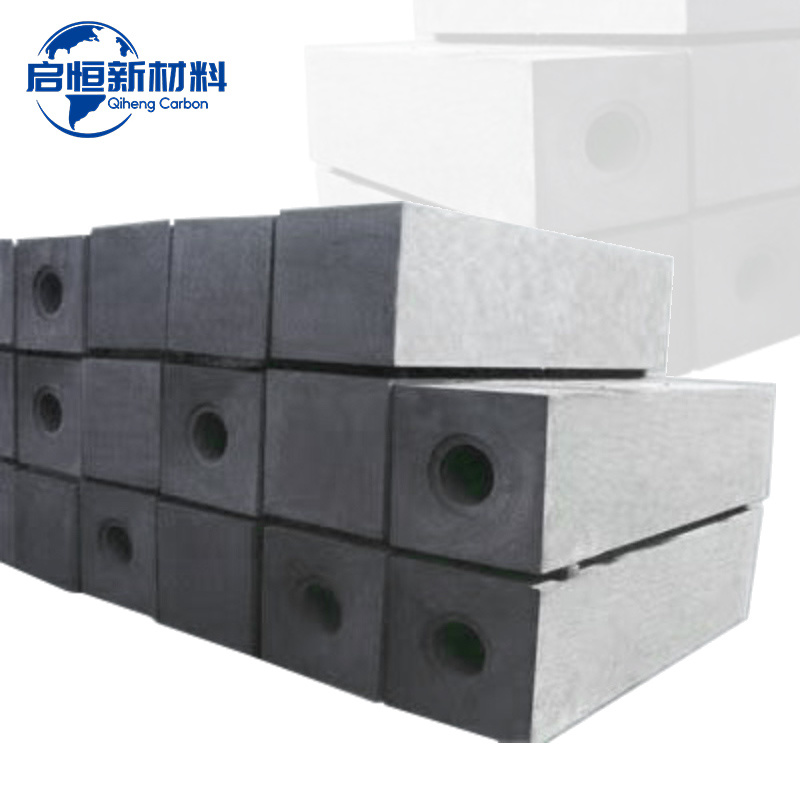
The Essential Guide to Graphite Blocks in Metallurgy and Energy Industries
Graphite blocks are pivotal materials in the metallurgy and energy industries, particularly within the non-metallic mineral products sector. These blocks, made from natural or synthetic graphite, possess unique properties that make them suitable for a wide range of applications. One of the most notable characteristics of graphite is its excellent thermal and electrical conductivity. This property
Quick Navigation
Contact Us
Mobile:
+8618031071182(Mr. Chang)
+8613703203188(Mr. Guo)
Address: West of Zholangbao Village, Shangcheng Town, Chengan County, Handan City, Hebei Province
Alibaba Store: