

The Crucial Role of Graphite Electrodes in Steelmaking
Mar 24,2025


Summary:
Graphite electrodes are essential components in the steelmaking industry, particularly in electric arc furnaces (EAFs), which are widely used for the production of steel. These electrodes serve as conductors of electricity required to melt scrap steel or direct reduced iron, transforming them into liquid steel. The process of steelmaking using graphite electrodes is both efficient and environmenta
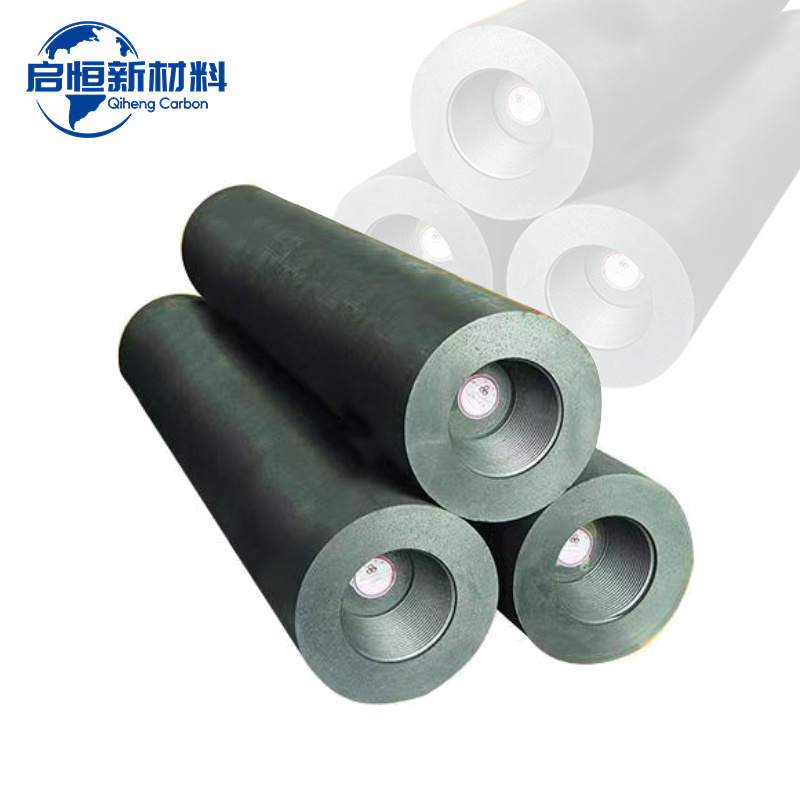
Graphite electrodes are essential components in the steelmaking industry, particularly in electric arc furnaces (EAFs), which are widely used for the production of steel. These electrodes serve as conductors of electricity required to melt scrap steel or direct reduced iron, transforming them into liquid steel. The process of steelmaking using graphite electrodes is both efficient and environmentally friendly, making it a preferred method in modern metallurgical practices.
The primary property that makes graphite electrodes ideal for steelmaking is their high electrical conductivity. This characteristic allows for efficient power transfer during the melting process. Additionally, graphite electrodes can withstand extreme temperatures, often exceeding 3,000 degrees Celsius, which is crucial for maintaining the necessary conditions for steel production. Their ability to resist oxidation also enhances their performance in a high-temperature environment, thereby maximizing the furnace's operational efficiency.
Furthermore, the quality of the graphite used in producing electrodes significantly affects the overall performance in steelmaking. High-quality graphite electrodes ensure minimal consumption and lower electrode wear, which leads to reduced operational costs. This high-quality graphite is often produced through a complicated process involving the selection of pure carbon materials, followed by high-temperature graphitization. The result is an electrode with superior mechanical and thermal properties, which is vital for consistent steel quality and production rates.
Another important aspect of graphite electrodes is their recyclability. After their useful life in the furnace, these electrodes can be repurposed or recycled, thereby reducing waste and contributing to more sustainable practices within the industry. As environmental concerns grow, the ability to utilize materials in a circular economy model becomes increasingly valuable.
Despite their advantages, the production and use of graphite electrodes face challenges, such as fluctuations in raw material supply and the environmental impact of mining operations. The industry is actively exploring alternative materials and methods to mitigate these issues without compromising the quality and efficiency of steel production.
In conclusion, graphite electrodes play a pivotal role in the steelmaking process, impacting both the efficiency and quality of steel production. As the industry evolves, the focus on sustainable practices and innovative materials continues to shape the future of steelmaking, ensuring that graphite electrodes remain a central focus in metallurgical advancements. Understanding the significance of these electrodes is crucial for anyone involved in the steel production sector, as they represent the intersection of technology, quality, and sustainability.
The primary property that makes graphite electrodes ideal for steelmaking is their high electrical conductivity. This characteristic allows for efficient power transfer during the melting process. Additionally, graphite electrodes can withstand extreme temperatures, often exceeding 3,000 degrees Celsius, which is crucial for maintaining the necessary conditions for steel production. Their ability to resist oxidation also enhances their performance in a high-temperature environment, thereby maximizing the furnace's operational efficiency.
Furthermore, the quality of the graphite used in producing electrodes significantly affects the overall performance in steelmaking. High-quality graphite electrodes ensure minimal consumption and lower electrode wear, which leads to reduced operational costs. This high-quality graphite is often produced through a complicated process involving the selection of pure carbon materials, followed by high-temperature graphitization. The result is an electrode with superior mechanical and thermal properties, which is vital for consistent steel quality and production rates.
Another important aspect of graphite electrodes is their recyclability. After their useful life in the furnace, these electrodes can be repurposed or recycled, thereby reducing waste and contributing to more sustainable practices within the industry. As environmental concerns grow, the ability to utilize materials in a circular economy model becomes increasingly valuable.
Despite their advantages, the production and use of graphite electrodes face challenges, such as fluctuations in raw material supply and the environmental impact of mining operations. The industry is actively exploring alternative materials and methods to mitigate these issues without compromising the quality and efficiency of steel production.
In conclusion, graphite electrodes play a pivotal role in the steelmaking process, impacting both the efficiency and quality of steel production. As the industry evolves, the focus on sustainable practices and innovative materials continues to shape the future of steelmaking, ensuring that graphite electrodes remain a central focus in metallurgical advancements. Understanding the significance of these electrodes is crucial for anyone involved in the steel production sector, as they represent the intersection of technology, quality, and sustainability.
Focus On Hot Spots
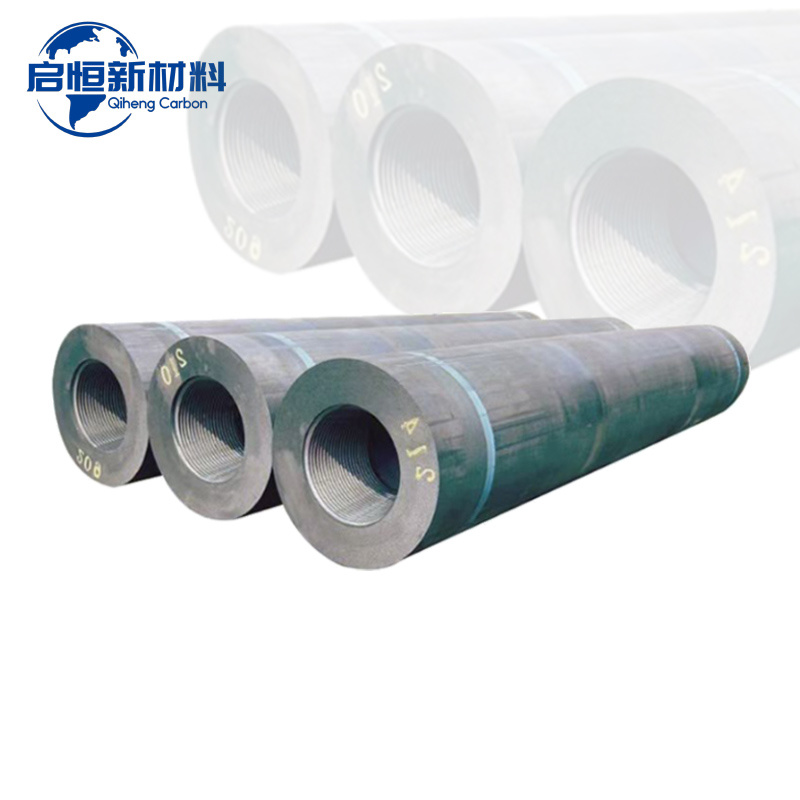
RP Graphite Electrodes: Transforming Conductivity in Metallurgical Processes
RP Graphite Electrodes: Enhancing Conductivity in Metallurgical Applications
Table of Contents
1. Introduction to RP Graphite Electrodes
2. Understanding Graphite and Its Properties
3. The Role of RP Graphite Electrodes in Metallurgy
4. Benefits of Using RP Graphite Electrodes
5. The Manufacturing Process of RP Graphite Electrodes
6. Applications of RP Graphite Electrodes
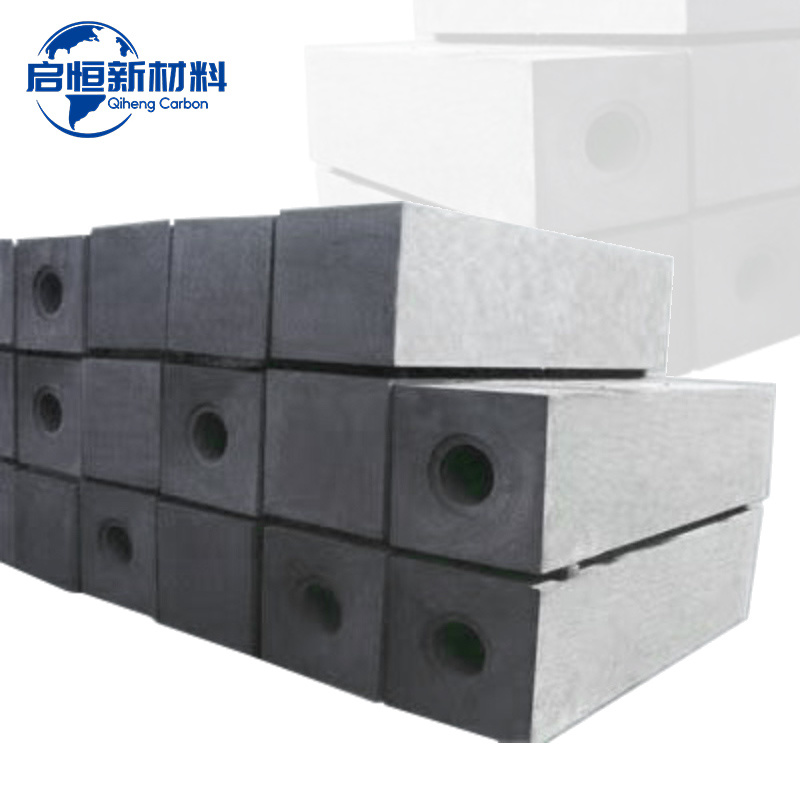
The Essential Guide to Graphite Blocks in Metallurgy and Energy Industries
Graphite blocks are pivotal materials in the metallurgy and energy industries, particularly within the non-metallic mineral products sector. These blocks, made from natural or synthetic graphite, possess unique properties that make them suitable for a wide range of applications. One of the most notable characteristics of graphite is its excellent thermal and electrical conductivity. This property
Quick Navigation
Contact Us
Mobile:
+8618031071182(Mr. Chang)
+8613703203188(Mr. Guo)
Address: West of Zholangbao Village, Shangcheng Town, Chengan County, Handan City, Hebei Province
Alibaba Store: