

Understanding Graphite Electrode Carbon Bricks: Applications and Benefits in Metallurgy
Mar 26,2025


Summary:
Graphite electrode carbon bricks are essential materials used in various metallurgical processes, particularly in electric arc furnaces (EAF) and other high-temperature applications. These bricks are primarily composed of graphite, a form of carbon known for its excellent conductivity and thermal stability. As such, they play a vital role in facilitating the production of steel and other metals by
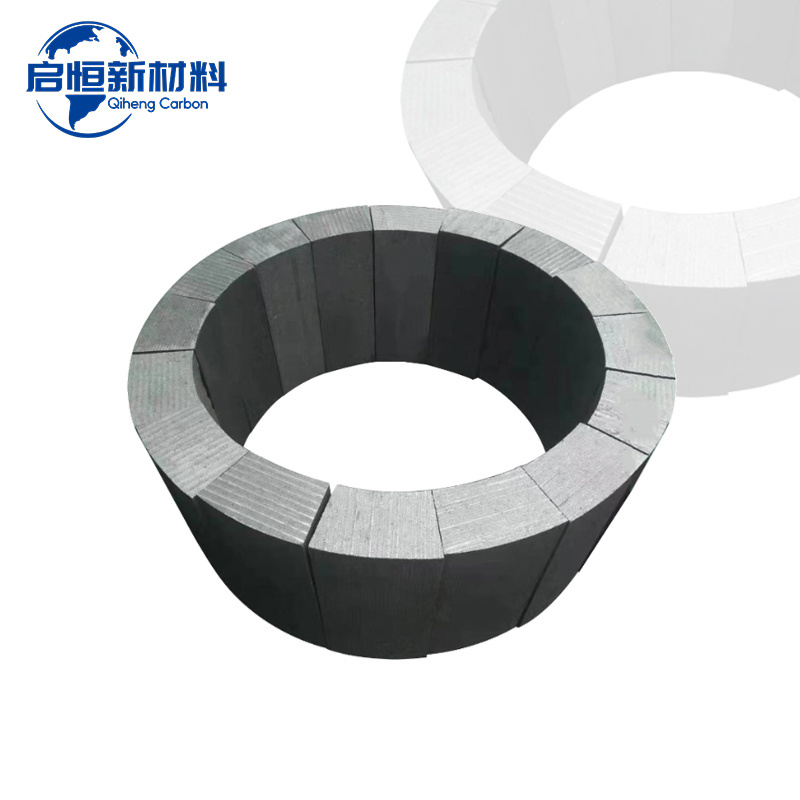
Graphite electrode carbon bricks are essential materials used in various metallurgical processes, particularly in electric arc furnaces (EAF) and other high-temperature applications. These bricks are primarily composed of graphite, a form of carbon known for its excellent conductivity and thermal stability. As such, they play a vital role in facilitating the production of steel and other metals by providing the necessary conductivity for electric currents.
One of the primary benefits of graphite electrode carbon bricks is their high thermal resistance. In the extreme conditions present in electric arc furnaces, these bricks can withstand temperatures that often exceed 3000°C without degrading. This property not only ensures the longevity of the materials used in the furnace but also enhances the efficiency of the metallurgical process by maintaining consistent operational parameters.
Another significant advantage of using graphite electrode carbon bricks is their ability to withstand oxidation. In the presence of high temperatures and reactive atmospheres, traditional materials may succumb to degradation, whereas graphite maintains its integrity. This characteristic is particularly important in processes involving molten metals, where exposure to oxidizing agents can compromise the quality of the end product.
In terms of electrical conductivity, graphite electrode carbon bricks excel compared to alternative materials. Their high conductivity allows for efficient energy transfer within the furnace, contributing to reduced energy consumption and operational costs. This is crucial for industries looking to optimize their production processes while minimizing environmental impact.
The application of graphite electrode carbon bricks extends beyond electric arc furnaces. They are also utilized in the production of non-ferrous metals, such as aluminum and copper, where precise temperature control and energy efficiency are paramount. Furthermore, these bricks can be engineered to meet specific application requirements, providing flexibility for manufacturers across various sectors.
When selecting graphite electrode carbon bricks for specific applications, it is essential to consider factors like thermal stability, oxidation resistance, and electrical conductivity. Understanding the unique properties of these bricks will assist professionals in making informed decisions that can lead to improved performance and cost-effectiveness in their operations.
In summary, graphite electrode carbon bricks are vital components in the metallurgy industry, offering significant advantages in terms of thermal resistance, oxidation stability, and electrical conductivity. Their strategic importance in electric arc furnaces and other high-temperature applications makes them indispensable for professionals aiming to enhance production efficiency and product quality. By leveraging the unique characteristics of these materials, industries can achieve better operational outcomes and remain competitive in the evolving market landscape.
One of the primary benefits of graphite electrode carbon bricks is their high thermal resistance. In the extreme conditions present in electric arc furnaces, these bricks can withstand temperatures that often exceed 3000°C without degrading. This property not only ensures the longevity of the materials used in the furnace but also enhances the efficiency of the metallurgical process by maintaining consistent operational parameters.
Another significant advantage of using graphite electrode carbon bricks is their ability to withstand oxidation. In the presence of high temperatures and reactive atmospheres, traditional materials may succumb to degradation, whereas graphite maintains its integrity. This characteristic is particularly important in processes involving molten metals, where exposure to oxidizing agents can compromise the quality of the end product.
In terms of electrical conductivity, graphite electrode carbon bricks excel compared to alternative materials. Their high conductivity allows for efficient energy transfer within the furnace, contributing to reduced energy consumption and operational costs. This is crucial for industries looking to optimize their production processes while minimizing environmental impact.
The application of graphite electrode carbon bricks extends beyond electric arc furnaces. They are also utilized in the production of non-ferrous metals, such as aluminum and copper, where precise temperature control and energy efficiency are paramount. Furthermore, these bricks can be engineered to meet specific application requirements, providing flexibility for manufacturers across various sectors.
When selecting graphite electrode carbon bricks for specific applications, it is essential to consider factors like thermal stability, oxidation resistance, and electrical conductivity. Understanding the unique properties of these bricks will assist professionals in making informed decisions that can lead to improved performance and cost-effectiveness in their operations.
In summary, graphite electrode carbon bricks are vital components in the metallurgy industry, offering significant advantages in terms of thermal resistance, oxidation stability, and electrical conductivity. Their strategic importance in electric arc furnaces and other high-temperature applications makes them indispensable for professionals aiming to enhance production efficiency and product quality. By leveraging the unique characteristics of these materials, industries can achieve better operational outcomes and remain competitive in the evolving market landscape.
Focus On Hot Spots
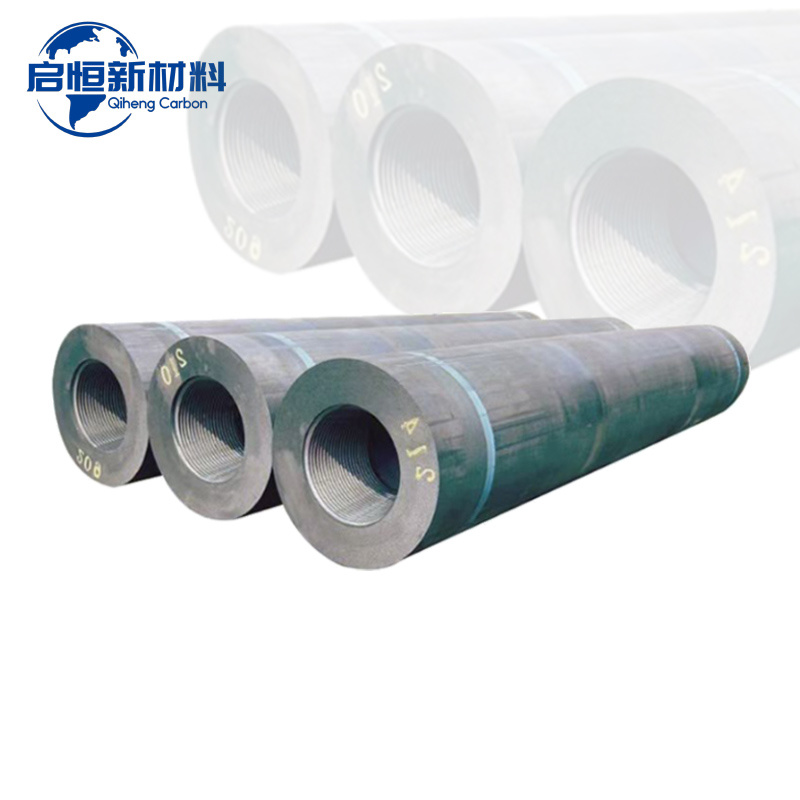
RP Graphite Electrodes: Transforming Conductivity in Metallurgical Processes
RP Graphite Electrodes: Enhancing Conductivity in Metallurgical Applications
Table of Contents
1. Introduction to RP Graphite Electrodes
2. Understanding Graphite and Its Properties
3. The Role of RP Graphite Electrodes in Metallurgy
4. Benefits of Using RP Graphite Electrodes
5. The Manufacturing Process of RP Graphite Electrodes
6. Applications of RP Graphite Electrodes
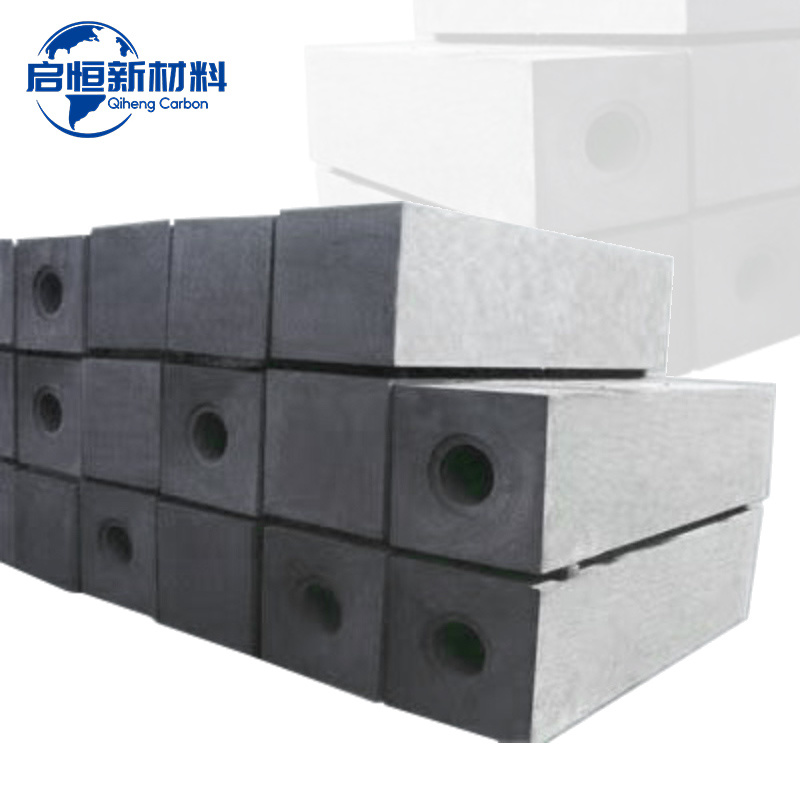
The Essential Guide to Graphite Blocks in Metallurgy and Energy Industries
Graphite blocks are pivotal materials in the metallurgy and energy industries, particularly within the non-metallic mineral products sector. These blocks, made from natural or synthetic graphite, possess unique properties that make them suitable for a wide range of applications. One of the most notable characteristics of graphite is its excellent thermal and electrical conductivity. This property
Quick Navigation
Contact Us
Mobile:
+8618031071182(Mr. Chang)
+8613703203188(Mr. Guo)
Address: West of Zholangbao Village, Shangcheng Town, Chengan County, Handan City, Hebei Province
Alibaba Store: