
Understanding Carbon Bricks: Properties, Applications, and Benefits
Mar 16,2025


Summary:
Carbon bricks, made primarily from carbonaceous materials, exhibit remarkable physical and chemical properties that make them a vital choice for numerous industrial applications. Their high thermal conductivity and resistance to thermal shock enable them to perform effectively under extreme conditions, particularly in high-temperature environments. This characteristic is crucial in sectors such as
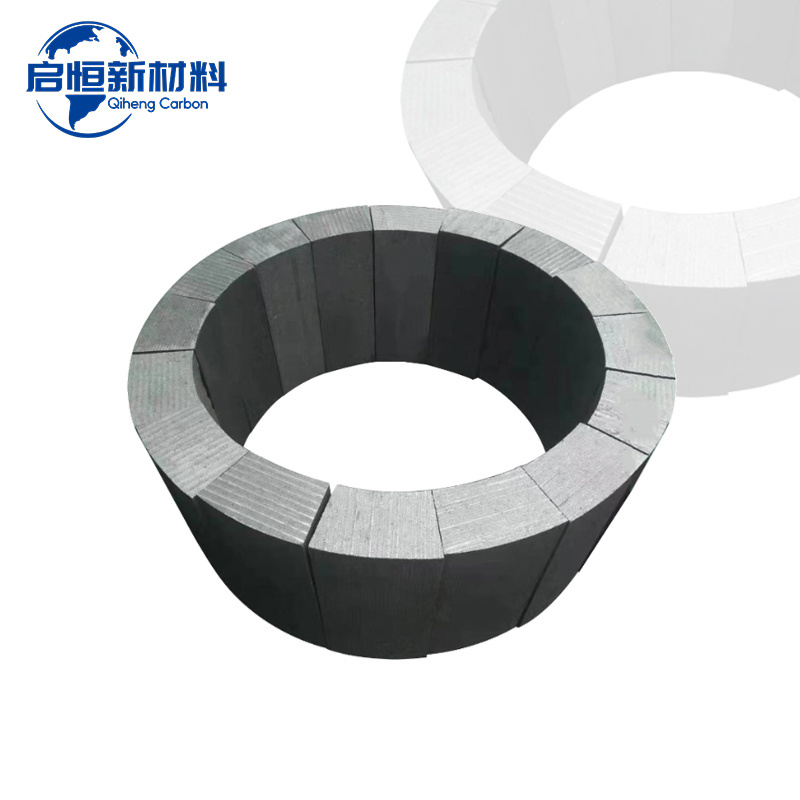
Carbon bricks, made primarily from carbonaceous materials, exhibit remarkable physical and chemical properties that make them a vital choice for numerous industrial applications. Their high thermal conductivity and resistance to thermal shock enable them to perform effectively under extreme conditions, particularly in high-temperature environments. This characteristic is crucial in sectors such as metallurgy, where processes often involve intense heat.
One of the standout features of carbon bricks is their low porosity, which minimizes the absorption of molten metal and slag. This quality not only extends the lifespan of the bricks but also ensures the integrity of the furnace lining, thereby enhancing operational efficiency. The durability of carbon bricks under mechanical stress further makes them suitable for heavy-duty applications, where traditional refractory materials may fail.
In terms of applications, carbon bricks are extensively used in the lining of furnaces, ladles, and kilns in the steel and aluminum industries. Their chemical inertness allows them to withstand aggressive environments without degrading, making them ideal for use in glass manufacturing and other high-performance thermal processes. Additionally, carbon bricks play a crucial role in the production of electrodes for electric arc furnaces, where their conductivity is leveraged to facilitate the melting of metals.
Another important aspect of carbon bricks is their contribution to energy efficiency. By providing excellent insulation properties, they help minimize heat loss during high-temperature operations. This efficiency can lead to significant energy savings over time, making processes not only cost-effective but also more environmentally friendly.
In the realm of environmental sustainability, the use of carbon bricks can also play a role in reducing carbon emissions. As industries strive to meet stricter environmental regulations, the adoption of materials that enhance energy efficiency and reduce waste becomes increasingly important. Carbon bricks, with their longevity and performance characteristics, can contribute to a more sustainable industrial process.
In summary, carbon bricks are indispensable materials in the metallurgy, mining, and energy sectors, offering a blend of durability, thermal efficiency, and chemical resistance. Their unique properties not only enhance the performance of industrial applications but also support initiatives aimed at improving sustainability. For professionals in these fields, understanding the advantages and applications of carbon bricks is essential for optimizing production processes and advancing towards a more efficient future.
One of the standout features of carbon bricks is their low porosity, which minimizes the absorption of molten metal and slag. This quality not only extends the lifespan of the bricks but also ensures the integrity of the furnace lining, thereby enhancing operational efficiency. The durability of carbon bricks under mechanical stress further makes them suitable for heavy-duty applications, where traditional refractory materials may fail.
In terms of applications, carbon bricks are extensively used in the lining of furnaces, ladles, and kilns in the steel and aluminum industries. Their chemical inertness allows them to withstand aggressive environments without degrading, making them ideal for use in glass manufacturing and other high-performance thermal processes. Additionally, carbon bricks play a crucial role in the production of electrodes for electric arc furnaces, where their conductivity is leveraged to facilitate the melting of metals.
Another important aspect of carbon bricks is their contribution to energy efficiency. By providing excellent insulation properties, they help minimize heat loss during high-temperature operations. This efficiency can lead to significant energy savings over time, making processes not only cost-effective but also more environmentally friendly.
In the realm of environmental sustainability, the use of carbon bricks can also play a role in reducing carbon emissions. As industries strive to meet stricter environmental regulations, the adoption of materials that enhance energy efficiency and reduce waste becomes increasingly important. Carbon bricks, with their longevity and performance characteristics, can contribute to a more sustainable industrial process.
In summary, carbon bricks are indispensable materials in the metallurgy, mining, and energy sectors, offering a blend of durability, thermal efficiency, and chemical resistance. Their unique properties not only enhance the performance of industrial applications but also support initiatives aimed at improving sustainability. For professionals in these fields, understanding the advantages and applications of carbon bricks is essential for optimizing production processes and advancing towards a more efficient future.
Focus On Hot Spots
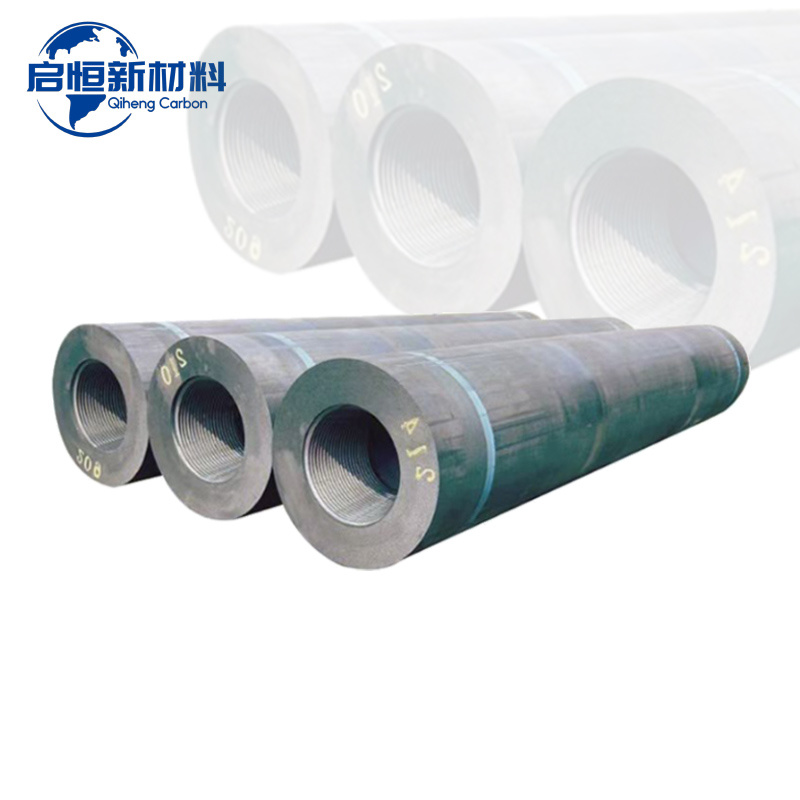
RP Graphite Electrodes: Transforming Conductivity in Metallurgical Processes
RP Graphite Electrodes: Enhancing Conductivity in Metallurgical Applications
Table of Contents
1. Introduction to RP Graphite Electrodes
2. Understanding Graphite and Its Properties
3. The Role of RP Graphite Electrodes in Metallurgy
4. Benefits of Using RP Graphite Electrodes
5. The Manufacturing Process of RP Graphite Electrodes
6. Applications of RP Graphite Electrodes
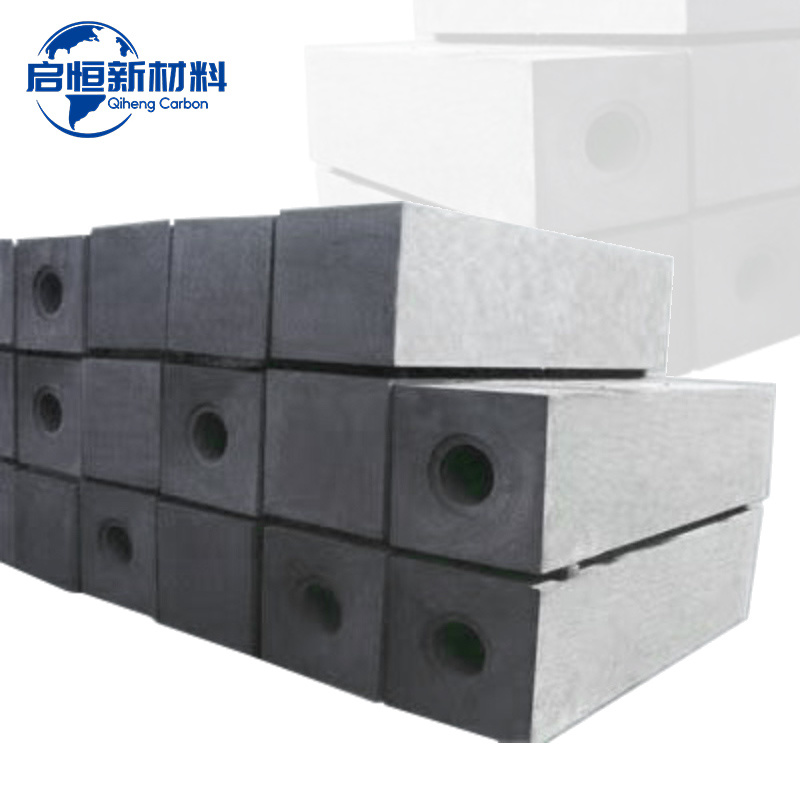
The Essential Guide to Graphite Blocks in Metallurgy and Energy Industries
Graphite blocks are pivotal materials in the metallurgy and energy industries, particularly within the non-metallic mineral products sector. These blocks, made from natural or synthetic graphite, possess unique properties that make them suitable for a wide range of applications. One of the most notable characteristics of graphite is its excellent thermal and electrical conductivity. This property
Quick Navigation
Contact Us
Mobile:
+8618031071182(Mr. Chang)
+8613703203188(Mr. Guo)
Address: West of Zholangbao Village, Shangcheng Town, Chengan County, Handan City, Hebei Province
Alibaba Store: