

Understanding Calcined Petroleum Coke: Properties, Applications, and Benefits
Mar 14,2025


Summary:
Calcined petroleum coke (CPC) is derived from the calcination process of green petroleum coke, a byproduct of crude oil refining. The calcination process involves heating green petroleum coke at high temperatures (approximately 1200 to 1400 degrees Celsius) in a rotary kiln or other furnaces, resulting in a porous structure with reduced sulfur and volatile content. This transformation enhances the
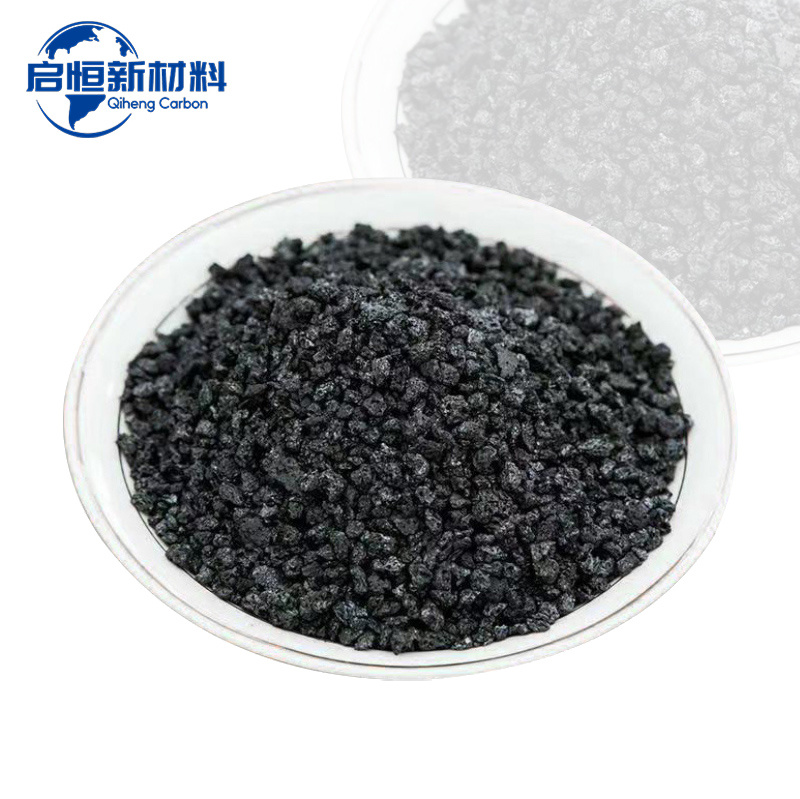
Calcined petroleum coke (CPC) is derived from the calcination process of green petroleum coke, a byproduct of crude oil refining. The calcination process involves heating green petroleum coke at high temperatures (approximately 1200 to 1400 degrees Celsius) in a rotary kiln or other furnaces, resulting in a porous structure with reduced sulfur and volatile content. This transformation enhances the material's physical and chemical properties, making it suitable for various industrial applications.
One of the primary properties of calcined petroleum coke is its high carbon content, typically ranging from 98% to 99%. This high purity makes CPC an excellent choice for producing carbon electrodes, which are essential in the aluminum smelting industry. The low sulfur content also contributes to the high performance of these electrodes, minimizing contamination during the electrolysis process.
Another significant application of calcined petroleum coke is in the production of anodes for the metallurgical industry. The anodes made from CPC are used in the production of aluminum and other metals, as they provide the necessary electrical conductivity while resisting oxidation. Furthermore, CPC is utilized as a raw material in the manufacturing of carbon brushes and in the synthesis of other carbon materials, further highlighting its versatility.
In addition to its applications in the aluminum and metallurgical industries, calcined petroleum coke is also increasingly being used in the battery industry, particularly in lithium-ion batteries. Its high conductivity and stability make it an attractive option for enhancing the performance of battery electrodes, contributing to the growing demand for renewable energy solutions.
Beyond its industrial applications, calcined petroleum coke offers several benefits that make it a favorable choice for manufacturers. Its relatively low production costs, coupled with its abundance as a byproduct of petroleum refining, ensure a consistent supply. Additionally, the material's high density and hardness make it ideal for applications that require durability and strength.
As industries continue to seek sustainable practices, the demand for calcined petroleum coke is expected to grow. Its role in producing low-emission carbon products aligns well with global initiatives aimed at reducing carbon footprints and promoting eco-friendly manufacturing processes.
In summary, calcined petroleum coke is a vital material in various sectors, owing to its unique properties and wide-ranging applications. Understanding CPC's characteristics and benefits can aid industry professionals in making informed decisions regarding its use and potential in their respective fields.
One of the primary properties of calcined petroleum coke is its high carbon content, typically ranging from 98% to 99%. This high purity makes CPC an excellent choice for producing carbon electrodes, which are essential in the aluminum smelting industry. The low sulfur content also contributes to the high performance of these electrodes, minimizing contamination during the electrolysis process.
Another significant application of calcined petroleum coke is in the production of anodes for the metallurgical industry. The anodes made from CPC are used in the production of aluminum and other metals, as they provide the necessary electrical conductivity while resisting oxidation. Furthermore, CPC is utilized as a raw material in the manufacturing of carbon brushes and in the synthesis of other carbon materials, further highlighting its versatility.
In addition to its applications in the aluminum and metallurgical industries, calcined petroleum coke is also increasingly being used in the battery industry, particularly in lithium-ion batteries. Its high conductivity and stability make it an attractive option for enhancing the performance of battery electrodes, contributing to the growing demand for renewable energy solutions.
Beyond its industrial applications, calcined petroleum coke offers several benefits that make it a favorable choice for manufacturers. Its relatively low production costs, coupled with its abundance as a byproduct of petroleum refining, ensure a consistent supply. Additionally, the material's high density and hardness make it ideal for applications that require durability and strength.
As industries continue to seek sustainable practices, the demand for calcined petroleum coke is expected to grow. Its role in producing low-emission carbon products aligns well with global initiatives aimed at reducing carbon footprints and promoting eco-friendly manufacturing processes.
In summary, calcined petroleum coke is a vital material in various sectors, owing to its unique properties and wide-ranging applications. Understanding CPC's characteristics and benefits can aid industry professionals in making informed decisions regarding its use and potential in their respective fields.
Focus On Hot Spots
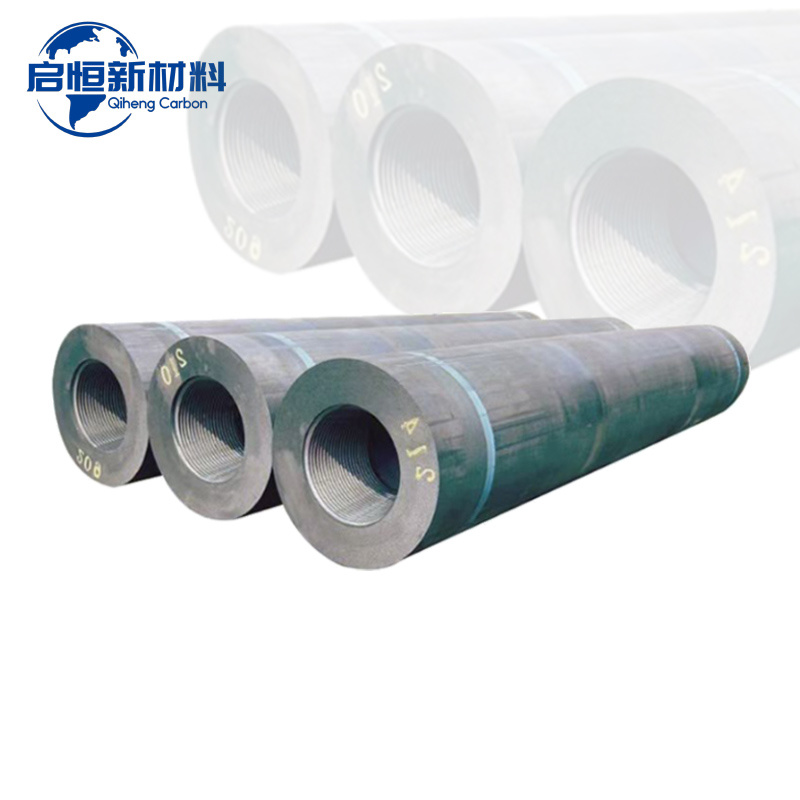
RP Graphite Electrodes: Transforming Conductivity in Metallurgical Processes
RP Graphite Electrodes: Enhancing Conductivity in Metallurgical Applications
Table of Contents
1. Introduction to RP Graphite Electrodes
2. Understanding Graphite and Its Properties
3. The Role of RP Graphite Electrodes in Metallurgy
4. Benefits of Using RP Graphite Electrodes
5. The Manufacturing Process of RP Graphite Electrodes
6. Applications of RP Graphite Electrodes
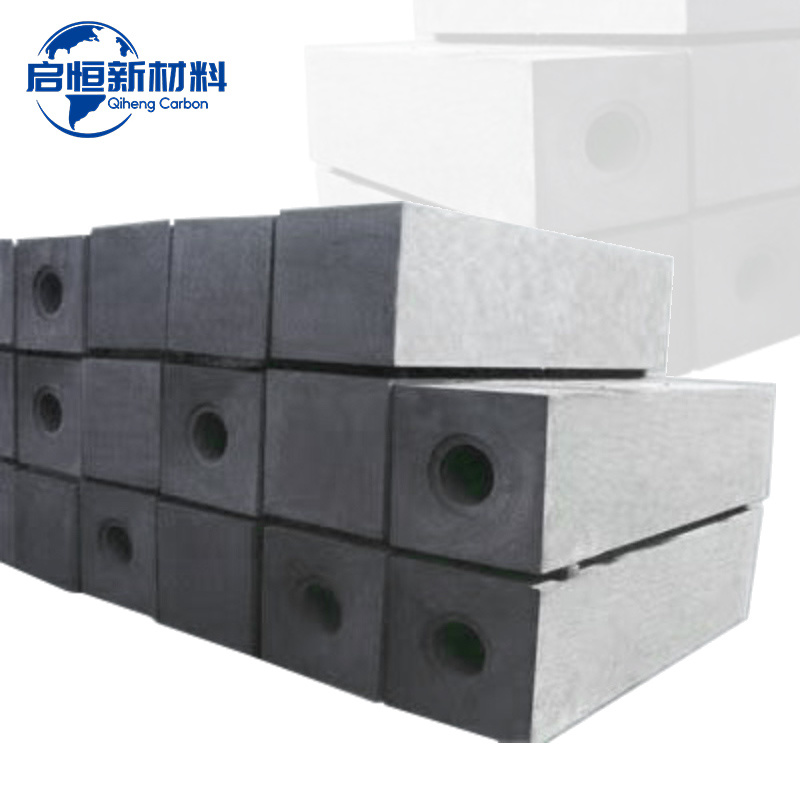
The Essential Guide to Graphite Blocks in Metallurgy and Energy Industries
Graphite blocks are pivotal materials in the metallurgy and energy industries, particularly within the non-metallic mineral products sector. These blocks, made from natural or synthetic graphite, possess unique properties that make them suitable for a wide range of applications. One of the most notable characteristics of graphite is its excellent thermal and electrical conductivity. This property
Quick Navigation
Contact Us
Mobile:
+8618031071182(Mr. Chang)
+8613703203188(Mr. Guo)
Address: West of Zholangbao Village, Shangcheng Town, Chengan County, Handan City, Hebei Province
Alibaba Store: