

Unlocking the Potential of High Power Graphite Electrodes in Metallurgy
Mar 12,2025


Summary:
High power graphite electrodes play a vital role in the metallurgy and mineral energy sector, particularly in electric arc furnaces (EAF). These electrodes are essential for the production of steel and other metals, where they facilitate the melting of scrap metal and other raw materials. The increasing demand for high strength steel and environmentally friendly production processes has led to a s
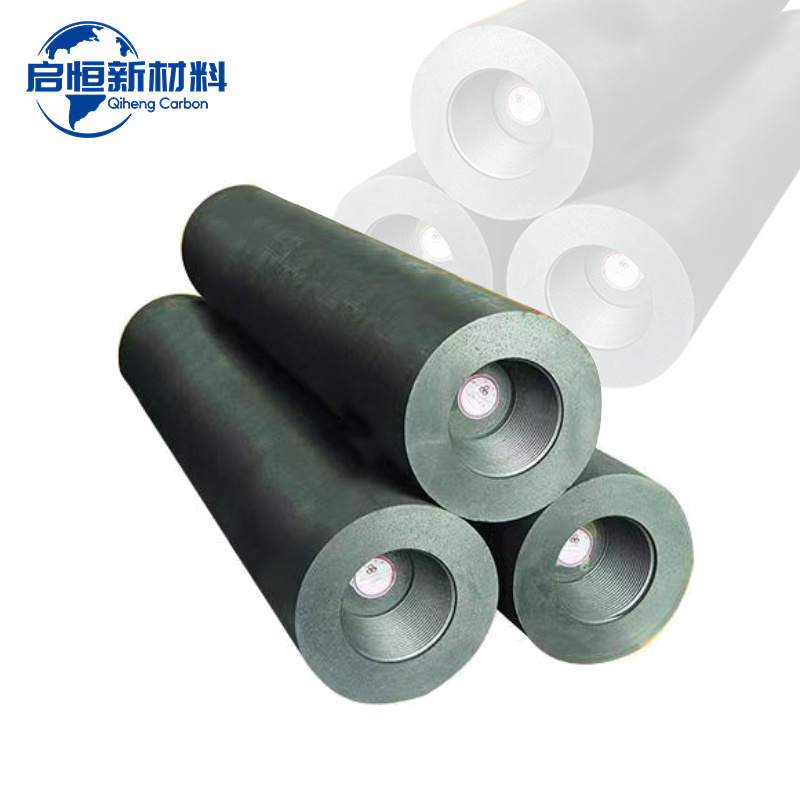
High power graphite electrodes play a vital role in the metallurgy and mineral energy sector, particularly in electric arc furnaces (EAF). These electrodes are essential for the production of steel and other metals, where they facilitate the melting of scrap metal and other raw materials. The increasing demand for high strength steel and environmentally friendly production processes has led to a surge in the adoption of high power graphite electrodes, making them a focal point in contemporary metallurgical practices.
One of the primary advantages of high power graphite electrodes is their excellent electrical conductivity. Unlike traditional electrodes, high power variants are designed to withstand higher current loads, allowing for efficient energy transfer during the melting process. This efficiency not only reduces energy consumption but also enhances the overall productivity of the furnace. When selecting high power graphite electrodes, it's essential to consider factors such as thermal shock resistance, oxidation resistance, and mechanical strength, as these characteristics significantly influence the electrode's performance and lifespan.
Another key aspect of high power graphite electrodes is their ability to operate at elevated temperatures without significant degradation. This property is particularly important in electric arc furnaces, where extreme temperatures are commonplace. By utilizing high power electrodes, companies can achieve higher operational temperatures, leading to improved melting rates and better-quality end products. Moreover, these electrodes contribute to reduced emissions and a smaller carbon footprint, aligning with global sustainability goals.
Innovation in electrode manufacturing has also led to the development of advanced processing techniques that enhance the quality and performance of high power graphite electrodes. For instance, the use of superior raw materials and cutting-edge production methods can result in electrodes with fewer impurities, which ultimately translates to enhanced durability and efficiency. Industry players are encouraged to stay informed about these advancements and consider how they can integrate new technologies into their operations.
In conclusion, high power graphite electrodes are indispensable in the metallurgy and mineral energy sectors, offering numerous benefits, including improved energy efficiency, higher melting rates, and reduced environmental impact. As the industry continues to evolve, staying updated on the latest trends and innovations in electrode technology will be crucial for companies looking to maintain a competitive edge. By leveraging the advantages of high power graphite electrodes, businesses can not only enhance their operational capabilities but also contribute to a more sustainable future in metallurgical practices.
One of the primary advantages of high power graphite electrodes is their excellent electrical conductivity. Unlike traditional electrodes, high power variants are designed to withstand higher current loads, allowing for efficient energy transfer during the melting process. This efficiency not only reduces energy consumption but also enhances the overall productivity of the furnace. When selecting high power graphite electrodes, it's essential to consider factors such as thermal shock resistance, oxidation resistance, and mechanical strength, as these characteristics significantly influence the electrode's performance and lifespan.
Another key aspect of high power graphite electrodes is their ability to operate at elevated temperatures without significant degradation. This property is particularly important in electric arc furnaces, where extreme temperatures are commonplace. By utilizing high power electrodes, companies can achieve higher operational temperatures, leading to improved melting rates and better-quality end products. Moreover, these electrodes contribute to reduced emissions and a smaller carbon footprint, aligning with global sustainability goals.
Innovation in electrode manufacturing has also led to the development of advanced processing techniques that enhance the quality and performance of high power graphite electrodes. For instance, the use of superior raw materials and cutting-edge production methods can result in electrodes with fewer impurities, which ultimately translates to enhanced durability and efficiency. Industry players are encouraged to stay informed about these advancements and consider how they can integrate new technologies into their operations.
In conclusion, high power graphite electrodes are indispensable in the metallurgy and mineral energy sectors, offering numerous benefits, including improved energy efficiency, higher melting rates, and reduced environmental impact. As the industry continues to evolve, staying updated on the latest trends and innovations in electrode technology will be crucial for companies looking to maintain a competitive edge. By leveraging the advantages of high power graphite electrodes, businesses can not only enhance their operational capabilities but also contribute to a more sustainable future in metallurgical practices.
Focus On Hot Spots
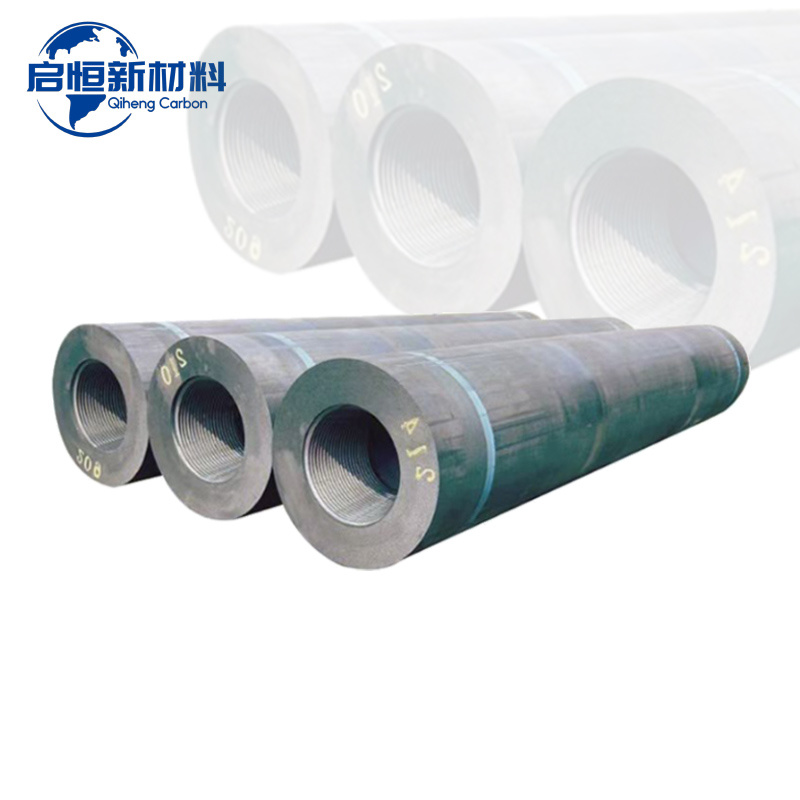
RP Graphite Electrodes: Transforming Conductivity in Metallurgical Processes
RP Graphite Electrodes: Enhancing Conductivity in Metallurgical Applications
Table of Contents
1. Introduction to RP Graphite Electrodes
2. Understanding Graphite and Its Properties
3. The Role of RP Graphite Electrodes in Metallurgy
4. Benefits of Using RP Graphite Electrodes
5. The Manufacturing Process of RP Graphite Electrodes
6. Applications of RP Graphite Electrodes
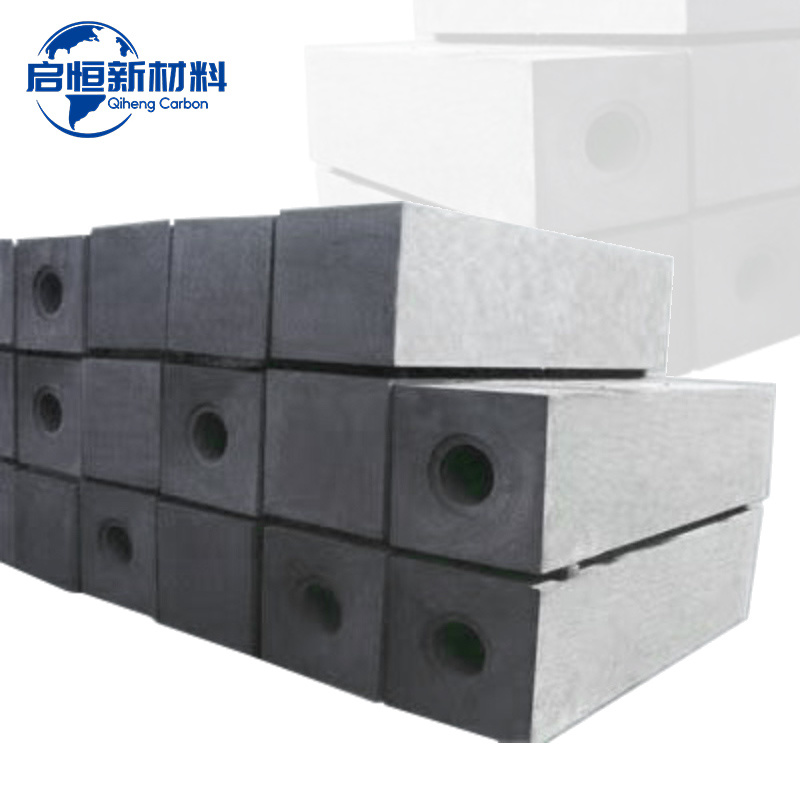
The Essential Guide to Graphite Blocks in Metallurgy and Energy Industries
Graphite blocks are pivotal materials in the metallurgy and energy industries, particularly within the non-metallic mineral products sector. These blocks, made from natural or synthetic graphite, possess unique properties that make them suitable for a wide range of applications. One of the most notable characteristics of graphite is its excellent thermal and electrical conductivity. This property
Quick Navigation
Contact Us
Mobile:
+8618031071182(Mr. Chang)
+8613703203188(Mr. Guo)
Address: West of Zholangbao Village, Shangcheng Town, Chengan County, Handan City, Hebei Province
Alibaba Store: