

Understanding Graphite Electrode Carbon Bricks: Essential Insights for the Metallurgical Industry
Mar 10,2025


Summary:
Graphite electrode carbon bricks play a vital role in the metallurgical industry, particularly in the production and processing of metals. These bricks are engineered from high-quality graphite and are widely utilized in electric arc furnaces (EAFs) for steelmaking, among other applications. Their unique properties make them essential in optimizing the efficiency and effectiveness of metallurgical
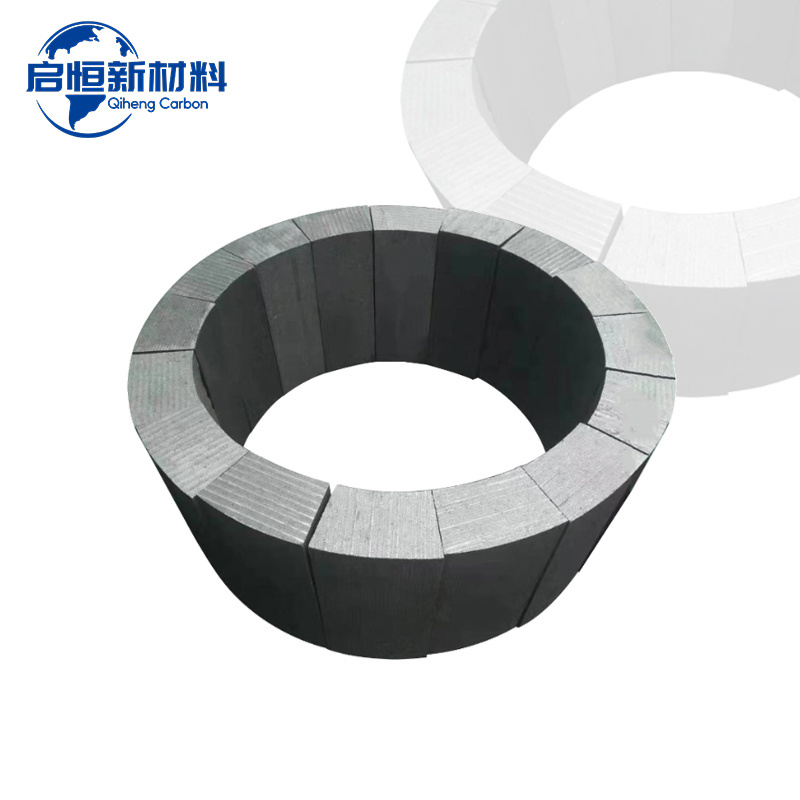
Graphite electrode carbon bricks play a vital role in the metallurgical industry, particularly in the production and processing of metals. These bricks are engineered from high-quality graphite and are widely utilized in electric arc furnaces (EAFs) for steelmaking, among other applications. Their unique properties make them essential in optimizing the efficiency and effectiveness of metallurgical processes.
One of the primary features of graphite electrode carbon bricks is their excellent electrical conductivity. This property allows them to efficiently transfer electrical energy during the melting and refining processes. In electric arc furnaces, for instance, the use of graphite electrodes facilitates the generation of the high temperatures required for melting scrap metal or other raw materials. This process is not only efficient but also environmentally friendly, as it reduces the need for traditional fossil fuels.
Another significant attribute of graphite electrode carbon bricks is their thermal stability. They are capable of withstanding extreme temperatures without losing structural integrity, which is crucial in high-temperature environments like furnaces. This stability ensures that the bricks maintain their performance over extended periods, reducing the frequency of replacements and associated downtime costs for metallurgical operations.
Moreover, these graphite bricks exhibit exceptional resistance to thermal shock. When subjected to rapid temperature changes, they can withstand the stress without cracking or degrading. This durability is particularly important in industrial settings where temperature fluctuations are common. The longevity of graphite electrode carbon bricks contributes to the overall cost-effectiveness of metallurgical operations by minimizing maintenance and replacement needs.
The versatility of graphite electrode carbon bricks extends beyond steelmaking. They are also used in the production of other metals, such as ferroalloys and nonferrous metals, highlighting their importance across various sectors within the metallurgical industry. Their ability to enhance product quality and reduce energy consumption makes them a valuable asset for manufacturers looking to optimize their processes.
Additionally, the use of graphite electrode carbon bricks aligns with sustainability initiatives in the metallurgical industry. As the industry moves towards greener practices, the efficiency and lower carbon footprint associated with electric arc furnaces become increasingly attractive. By utilizing these innovative materials, companies can contribute to reducing their environmental impact while maintaining high productivity levels.
In summary, graphite electrode carbon bricks are an indispensable component of the metallurgical industry, offering a myriad of benefits that enhance efficiency, durability, and sustainability in metal production processes. Understanding their properties and applications can aid industry professionals in making informed decisions about material selection and operational improvements.
One of the primary features of graphite electrode carbon bricks is their excellent electrical conductivity. This property allows them to efficiently transfer electrical energy during the melting and refining processes. In electric arc furnaces, for instance, the use of graphite electrodes facilitates the generation of the high temperatures required for melting scrap metal or other raw materials. This process is not only efficient but also environmentally friendly, as it reduces the need for traditional fossil fuels.
Another significant attribute of graphite electrode carbon bricks is their thermal stability. They are capable of withstanding extreme temperatures without losing structural integrity, which is crucial in high-temperature environments like furnaces. This stability ensures that the bricks maintain their performance over extended periods, reducing the frequency of replacements and associated downtime costs for metallurgical operations.
Moreover, these graphite bricks exhibit exceptional resistance to thermal shock. When subjected to rapid temperature changes, they can withstand the stress without cracking or degrading. This durability is particularly important in industrial settings where temperature fluctuations are common. The longevity of graphite electrode carbon bricks contributes to the overall cost-effectiveness of metallurgical operations by minimizing maintenance and replacement needs.
The versatility of graphite electrode carbon bricks extends beyond steelmaking. They are also used in the production of other metals, such as ferroalloys and nonferrous metals, highlighting their importance across various sectors within the metallurgical industry. Their ability to enhance product quality and reduce energy consumption makes them a valuable asset for manufacturers looking to optimize their processes.
Additionally, the use of graphite electrode carbon bricks aligns with sustainability initiatives in the metallurgical industry. As the industry moves towards greener practices, the efficiency and lower carbon footprint associated with electric arc furnaces become increasingly attractive. By utilizing these innovative materials, companies can contribute to reducing their environmental impact while maintaining high productivity levels.
In summary, graphite electrode carbon bricks are an indispensable component of the metallurgical industry, offering a myriad of benefits that enhance efficiency, durability, and sustainability in metal production processes. Understanding their properties and applications can aid industry professionals in making informed decisions about material selection and operational improvements.
Focus On Hot Spots
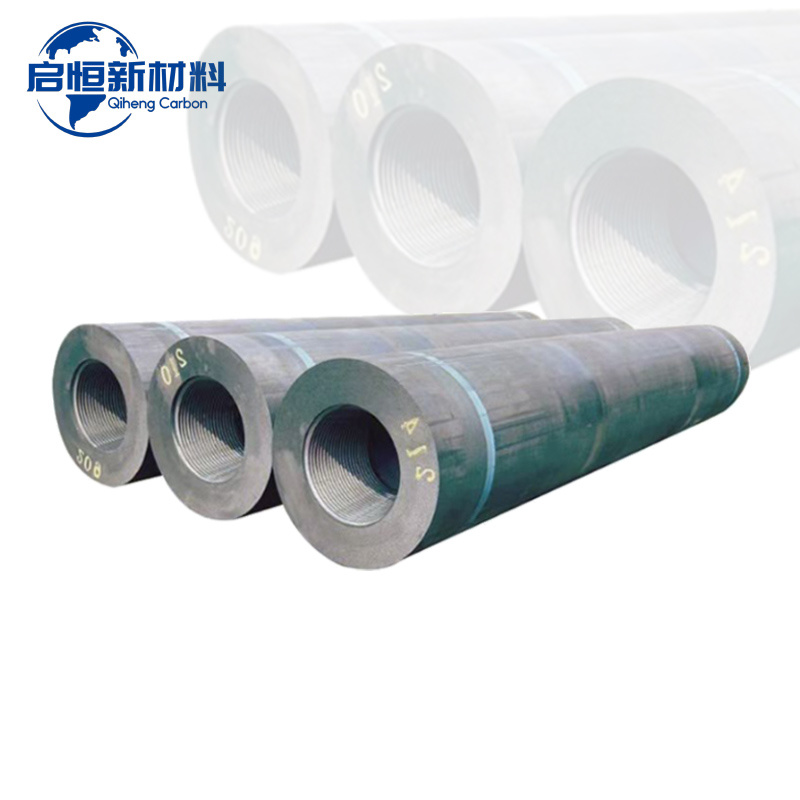
RP Graphite Electrodes: Transforming Conductivity in Metallurgical Processes
RP Graphite Electrodes: Enhancing Conductivity in Metallurgical Applications
Table of Contents
1. Introduction to RP Graphite Electrodes
2. Understanding Graphite and Its Properties
3. The Role of RP Graphite Electrodes in Metallurgy
4. Benefits of Using RP Graphite Electrodes
5. The Manufacturing Process of RP Graphite Electrodes
6. Applications of RP Graphite Electrodes
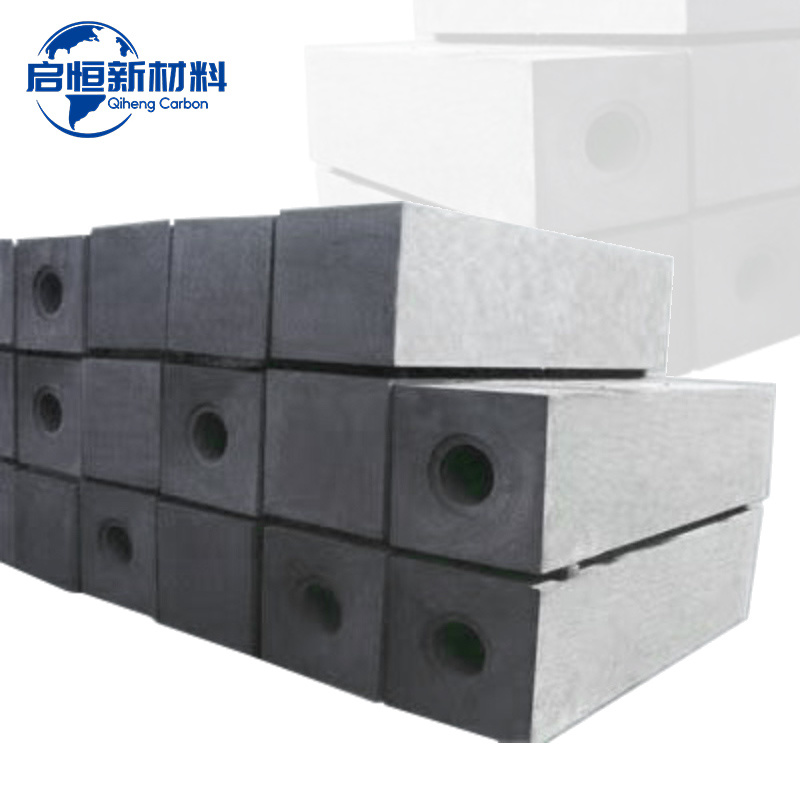
The Essential Guide to Graphite Blocks in Metallurgy and Energy Industries
Graphite blocks are pivotal materials in the metallurgy and energy industries, particularly within the non-metallic mineral products sector. These blocks, made from natural or synthetic graphite, possess unique properties that make them suitable for a wide range of applications. One of the most notable characteristics of graphite is its excellent thermal and electrical conductivity. This property
Quick Navigation
Contact Us
Mobile:
+8618031071182(Mr. Chang)
+8613703203188(Mr. Guo)
Address: West of Zholangbao Village, Shangcheng Town, Chengan County, Handan City, Hebei Province
Alibaba Store: