

The Future of Carbon Graphite Electrodes in Sustainable Energy Solutions
Mar 09,2025


Summary:
The Future of Carbon Graphite Electrodes in Sustainable Energy Solutions
Table of Contents
1. Introduction to Carbon Graphite Electrodes
2. Understanding Graphite and Its Properties
3. Applications of Carbon Graphite Electrodes in Energy Solutions
4. The Benefits of Carbon Graphite Electrodes
5. The Role of Carbon Graphite Electrodes in Sustainable Energy
6. Future Trends in Carbon Gr
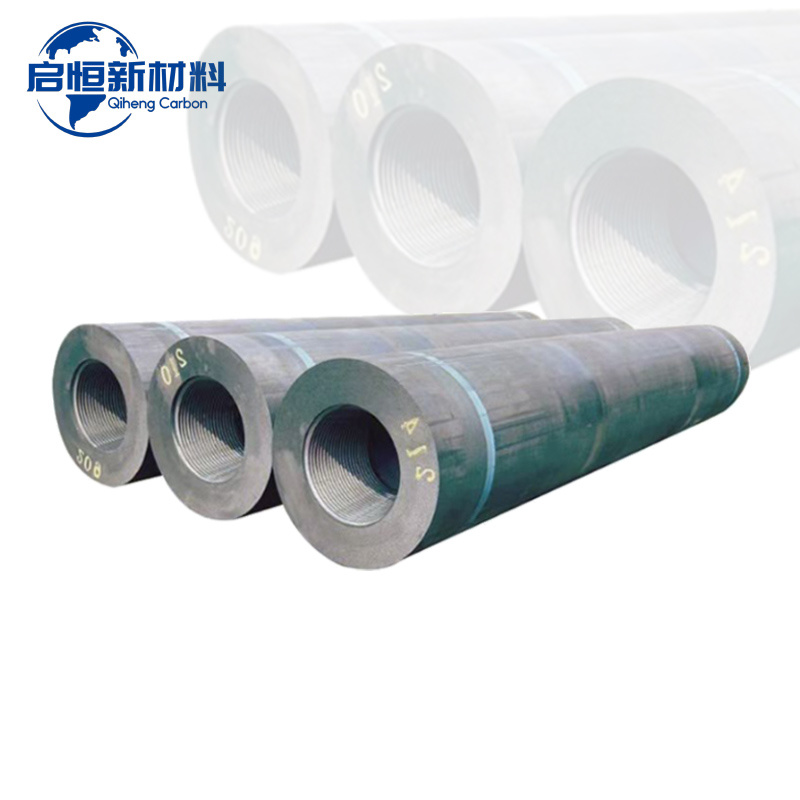
The Future of Carbon Graphite Electrodes in Sustainable Energy Solutions
Table of Contents
- 1. Introduction to Carbon Graphite Electrodes
- 2. Understanding Graphite and Its Properties
- 3. Applications of Carbon Graphite Electrodes in Energy Solutions
- 4. The Benefits of Carbon Graphite Electrodes
- 5. The Role of Carbon Graphite Electrodes in Sustainable Energy
- 6. Future Trends in Carbon Graphite Electrodes
- 7. Challenges Facing Carbon Graphite Electrodes
- 8. Conclusion
- 9. Frequently Asked Questions
1. Introduction to Carbon Graphite Electrodes
Carbon graphite electrodes play a pivotal role in various industrial applications, particularly in the field of sustainable energy solutions. As the world increasingly shifts toward renewable energy sources and reduces dependence on fossil fuels, the demand for efficient and reliable materials has surged. Carbon graphite electrodes are emerging as a critical technology in energy storage systems, electric arc furnaces, and even in the burgeoning field of electric vehicles.
2. Understanding Graphite and Its Properties
Graphite is a naturally occurring form of carbon with a unique crystalline structure that imparts several advantageous properties. Its excellent electrical conductivity, high thermal stability, and resistance to chemical reactions make it an ideal candidate for various applications.
2.1. Physical and Chemical Properties
Graphite consists of layers of carbon atoms arranged in a hexagonal lattice. This structure allows for easy electron mobility, which is vital for its use as an electrode material. Additionally, graphite exhibits high thermal conductivity, making it suitable for high-temperature environments.
2.2. Types of Graphite
There are several types of graphite, including natural graphite, synthetic graphite, and expandable graphite. Each type has unique characteristics and applications, with synthetic graphite often used in advanced applications due to its uniformity and purity.
3. Applications of Carbon Graphite Electrodes in Energy Solutions
Carbon graphite electrodes find extensive use in a variety of energy-related applications. The following are some of the most prominent uses:
3.1. Electric Arc Furnaces
In steel production, electric arc furnaces utilize carbon graphite electrodes to melt scrap steel and produce new steel. The ability of graphite to withstand high temperatures while maintaining electrical conductivity makes it essential in this process.
3.2. Battery Technologies
Carbon graphite electrodes are also integral to the development of high-performance batteries, including lithium-ion and sodium-ion batteries. They serve as anode materials, significantly enhancing energy density and charge-discharge efficiency.
3.3. Fuel Cells
Fuel cells convert chemical energy into electrical energy through electrochemical reactions. Carbon graphite electrodes are employed in fuel cells due to their high conductivity and chemical resistance, enabling efficient energy conversion.
4. The Benefits of Carbon Graphite Electrodes
The advantages of using carbon graphite electrodes in energy applications are numerous, including:
4.1. High Electrical Conductivity
The excellent electrical conductivity of graphite allows for efficient energy transfer, which is crucial in applications such as electric arc furnaces and batteries.
4.2. Temperature Resistance
Graphite can withstand extreme temperatures without degrading, making it suitable for high-heat applications like steel production and certain battery technologies.
4.3. Chemical Stability
The inert nature of carbon graphite electrodes allows them to resist chemical reactions that might otherwise compromise performance, ensuring a longer lifespan and reliability.
5. The Role of Carbon Graphite Electrodes in Sustainable Energy
As the global focus shifts toward sustainable energy, carbon graphite electrodes are becoming increasingly important in various green technologies.
5.1. Energy Storage Solutions
With the growing prevalence of renewable energy sources, efficient energy storage solutions are essential. Carbon graphite electrodes play a key role in the development of advanced battery systems, allowing for effective energy storage and management.
5.2. Renewable Energy Generation
In renewable energy generation systems, such as solar and wind, carbon graphite electrodes are used in converters and inverters, facilitating the smooth transition of energy from generation to consumption.
6. Future Trends in Carbon Graphite Electrodes
The future of carbon graphite electrodes in sustainable energy solutions is promising, with several trends expected to emerge:
6.1. Innovations in Material Science
Ongoing research in material science is likely to lead to the development of new graphite composites that enhance performance and reduce costs, paving the way for broader adoption in various energy applications.
6.2. Increased Demand for Electric Vehicles
As the market for electric vehicles expands, the demand for high-performance batteries utilizing carbon graphite electrodes will soar. This trend will drive further innovation and investment in the sector.
7. Challenges Facing Carbon Graphite Electrodes
Despite their advantages, carbon graphite electrodes face several challenges:
7.1. Resource Availability
The availability of high-quality graphite is a concern, as natural graphite resources are limited. Sustainable sourcing and recycling methods will be essential to meet future demands.
7.2. Market Competition
As the energy sector evolves, competition from alternative materials may pose challenges for carbon graphite electrodes. Continuous innovation is necessary to maintain their relevance.
8. Conclusion
Carbon graphite electrodes are set to play a transformative role in sustainable energy solutions. Their unique properties make them indispensable for various applications in energy storage and generation. As technology continues to evolve, the future of carbon graphite electrodes appears bright, promising advancements that will contribute significantly to the transition toward cleaner energy systems.
9. Frequently Asked Questions
What are carbon graphite electrodes used for?
Carbon graphite electrodes are primarily used in electric arc furnaces for steel production, as well as in battery technologies and fuel cells for energy storage and generation.
Why are carbon graphite electrodes important for batteries?
Their excellent electrical conductivity and thermal resistance enhance battery performance, leading to higher energy density and efficiency.
Are there any environmental concerns associated with carbon graphite electrodes?
While they are more sustainable than many materials, sourcing natural graphite can have environmental impacts. Research into recycling and sustainable alternatives is ongoing.
What is the future of carbon graphite electrodes?
The future looks promising, with innovations in material science and the increasing demand for electric vehicles and renewable energy sources driving growth.
How do carbon graphite electrodes compare to other materials?
Carbon graphite electrodes offer superior electrical conductivity and thermal stability compared to many alternative materials, making them preferred for high-performance applications in energy solutions.
Previous:
Focus On Hot Spots
RP Graphite Electrodes: Transforming Conductivity in Metallurgical Processes
RP Graphite Electrodes: Enhancing Conductivity in Metallurgical Applications
Table of Contents
1. Introduction to RP Graphite Electrodes
2. Understanding Graphite and Its Properties
3. The Role of RP Graphite Electrodes in Metallurgy
4. Benefits of Using RP Graphite Electrodes
5. The Manufacturing Process of RP Graphite Electrodes
6. Applications of RP Graphite Electrodes
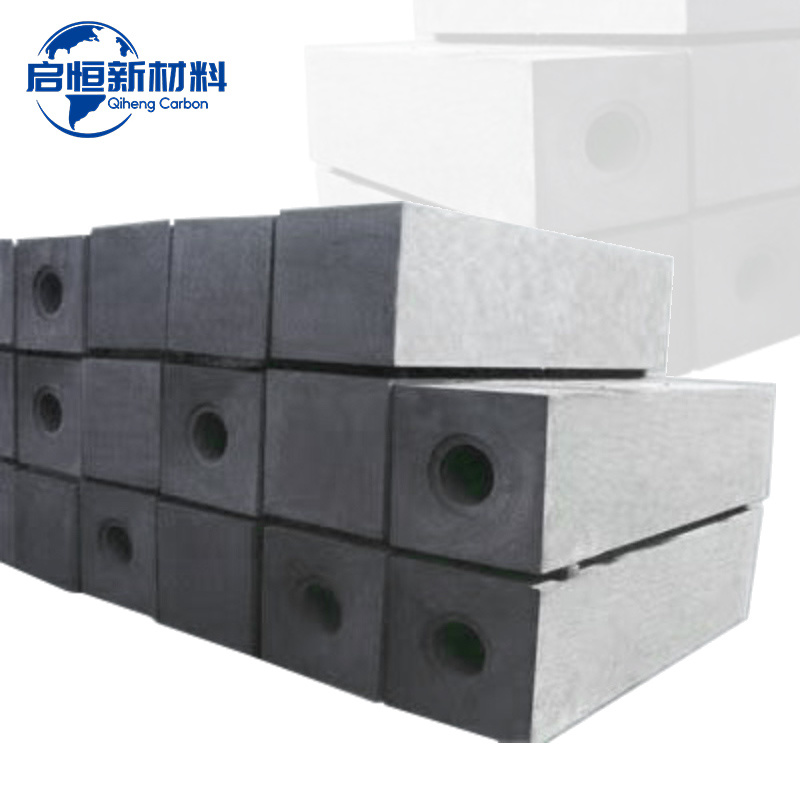
The Essential Guide to Graphite Blocks in Metallurgy and Energy Industries
Graphite blocks are pivotal materials in the metallurgy and energy industries, particularly within the non-metallic mineral products sector. These blocks, made from natural or synthetic graphite, possess unique properties that make them suitable for a wide range of applications. One of the most notable characteristics of graphite is its excellent thermal and electrical conductivity. This property
Quick Navigation
Contact Us
Mobile:
+8618031071182(Mr. Chang)
+8613703203188(Mr. Guo)
Address: West of Zholangbao Village, Shangcheng Town, Chengan County, Handan City, Hebei Province
Alibaba Store: