

Understanding Graphite Blocks: Key Insights for Professionals in Metallurgy and Non-Metal Mineral Products
Mar 04,2025


Summary:
Graphite blocks, essential components in many industrial applications, particularly in metallurgy and non-metal mineral products, are recognized for their unique properties. These blocks are primarily composed of carbon and exhibit excellent thermal and electrical conductivity, making them invaluable in various sectors, including manufacturing, energy, and even electronics.
One of the main applica
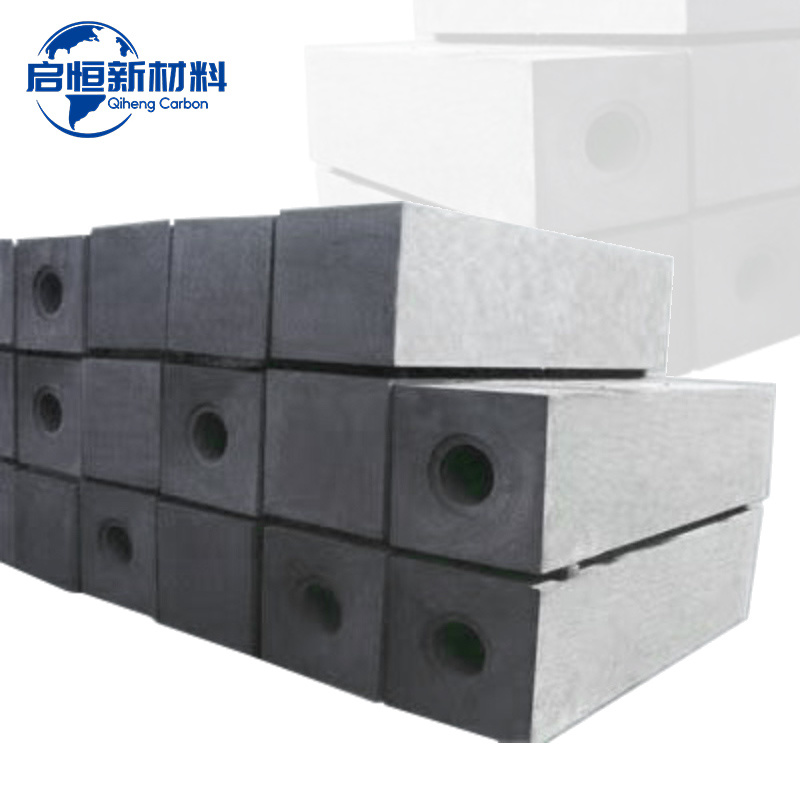
Graphite blocks, essential components in many industrial applications, particularly in metallurgy and non-metal mineral products, are recognized for their unique properties. These blocks are primarily composed of carbon and exhibit excellent thermal and electrical conductivity, making them invaluable in various sectors, including manufacturing, energy, and even electronics.
One of the main applications of graphite blocks is in the production of electrodes for electric arc furnaces. Their high melting point and ability to withstand extreme temperatures make them suitable for melting and refining metals. The efficiency of these processes is often enhanced due to the excellent thermal conductivity of graphite blocks, which allows for better energy utilization and reduced operational costs.
Additionally, graphite blocks are utilized in the production of bricks and lining materials for furnaces. The durability and resistance to thermal shock of graphite allow for prolonged furnace life, leading to lower maintenance costs and increased productivity. Companies in the metallurgy sector can benefit from using graphite blocks in their processes, as they help maintain consistent temperatures and improve metallurgical outcomes.
Moreover, in the non-metal mineral products sector, graphite blocks serve a variety of purposes. They are often used in the manufacture of lubricants, batteries, and as a component in some composite materials. The inherent properties of graphite, such as its ability to reduce friction and wear, make it an ideal choice in these applications, contributing to the performance and longevity of the finished products.
When considering the procurement and application of graphite blocks, industry professionals should evaluate factors such as purity, density, and the specific requirements of their processes. Different grades of graphite blocks may be necessary depending on the intended application, and ensuring that the right specifications are met is crucial for optimal performance.
Moreover, sustainability has become an important aspect in the selection of materials within the industry. Understanding the sourcing of graphite, including the environmental impact of mining practices, can guide companies in making responsible choices that align with global sustainability goals.
In conclusion, graphite blocks play a pivotal role in the metallurgy and non-metal mineral products industry. Their unique properties enable a range of applications that enhance efficiency and product quality. Professionals in the field should consider the specific needs of their operations when selecting graphite blocks, ensuring that they make informed choices that contribute to both performance and sustainability in their processes.
One of the main applications of graphite blocks is in the production of electrodes for electric arc furnaces. Their high melting point and ability to withstand extreme temperatures make them suitable for melting and refining metals. The efficiency of these processes is often enhanced due to the excellent thermal conductivity of graphite blocks, which allows for better energy utilization and reduced operational costs.
Additionally, graphite blocks are utilized in the production of bricks and lining materials for furnaces. The durability and resistance to thermal shock of graphite allow for prolonged furnace life, leading to lower maintenance costs and increased productivity. Companies in the metallurgy sector can benefit from using graphite blocks in their processes, as they help maintain consistent temperatures and improve metallurgical outcomes.
Moreover, in the non-metal mineral products sector, graphite blocks serve a variety of purposes. They are often used in the manufacture of lubricants, batteries, and as a component in some composite materials. The inherent properties of graphite, such as its ability to reduce friction and wear, make it an ideal choice in these applications, contributing to the performance and longevity of the finished products.
When considering the procurement and application of graphite blocks, industry professionals should evaluate factors such as purity, density, and the specific requirements of their processes. Different grades of graphite blocks may be necessary depending on the intended application, and ensuring that the right specifications are met is crucial for optimal performance.
Moreover, sustainability has become an important aspect in the selection of materials within the industry. Understanding the sourcing of graphite, including the environmental impact of mining practices, can guide companies in making responsible choices that align with global sustainability goals.
In conclusion, graphite blocks play a pivotal role in the metallurgy and non-metal mineral products industry. Their unique properties enable a range of applications that enhance efficiency and product quality. Professionals in the field should consider the specific needs of their operations when selecting graphite blocks, ensuring that they make informed choices that contribute to both performance and sustainability in their processes.
Focus On Hot Spots
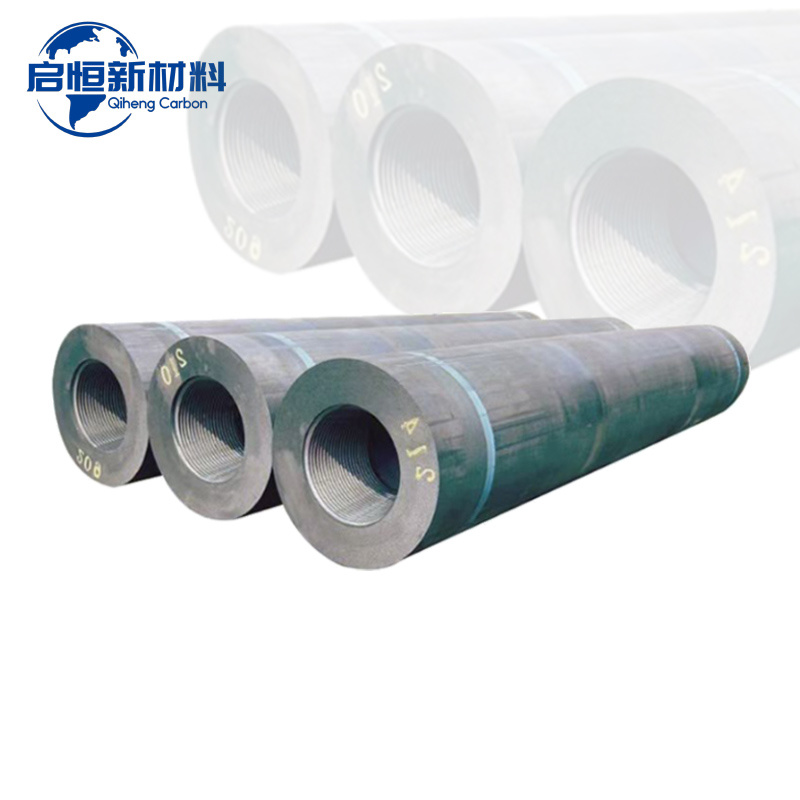
RP Graphite Electrodes: Transforming Conductivity in Metallurgical Processes
RP Graphite Electrodes: Enhancing Conductivity in Metallurgical Applications
Table of Contents
1. Introduction to RP Graphite Electrodes
2. Understanding Graphite and Its Properties
3. The Role of RP Graphite Electrodes in Metallurgy
4. Benefits of Using RP Graphite Electrodes
5. The Manufacturing Process of RP Graphite Electrodes
6. Applications of RP Graphite Electrodes
The Essential Guide to Graphite Blocks in Metallurgy and Energy Industries
Graphite blocks are pivotal materials in the metallurgy and energy industries, particularly within the non-metallic mineral products sector. These blocks, made from natural or synthetic graphite, possess unique properties that make them suitable for a wide range of applications. One of the most notable characteristics of graphite is its excellent thermal and electrical conductivity. This property
Quick Navigation
Contact Us
Mobile:
+8618031071182(Mr. Chang)
+8613703203188(Mr. Guo)
Address: West of Zholangbao Village, Shangcheng Town, Chengan County, Handan City, Hebei Province
Alibaba Store: