

How Graphite Square Revolutionizes Carbon Products in Metallurgy
Mar 03,2025


Summary:
How Graphite Square Revolutionizes Carbon Products in Metallurgy
Table of Contents
1. Introduction to Graphite Square in Metallurgy
2. Understanding Carbon Products in Metallurgy
3. The Unique Properties of Graphite
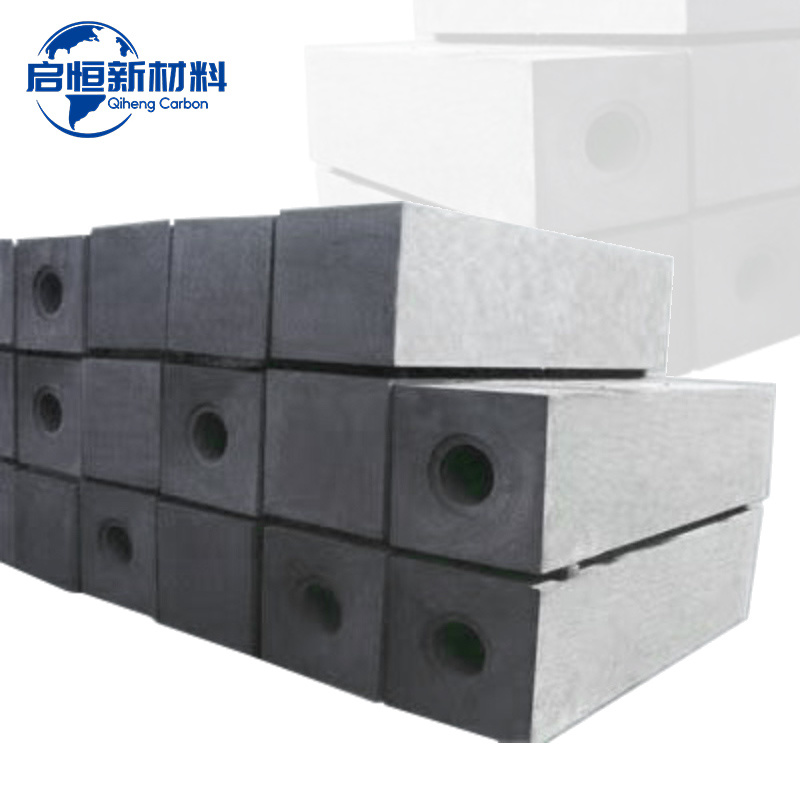
4. Graphite Square: An Overview
4.1. Technological Innovations
4.2. Applications in Metallurgy
5. The Role of Graphite in Enhancing Metal Production
6. Environmental Benefits of Using
How Graphite Square Revolutionizes Carbon Products in Metallurgy
Table of Contents
1. Introduction to Graphite Square in Metallurgy
2. Understanding Carbon Products in Metallurgy
3. The Unique Properties of Graphite
4. Graphite Square: An Overview
4.1. Technological Innovations
4.2. Applications in Metallurgy
5. The Role of Graphite in Enhancing Metal Production
6. Environmental Benefits of Using Graphite
7. Future Prospects: Graphite Square and Beyond
8. Frequently Asked Questions (FAQs)
9. Conclusion
1. Introduction to Graphite Square in Metallurgy
Metallurgy has always relied heavily on various materials, but recent advancements have changed the landscape significantly. One of the game-changers in this field is **Graphite Square**, which is redefining how carbon products are utilized in metallurgical processes. This article will delve into the revolutionary aspects of Graphite Square and its impact on carbon products, enhancing their performance and sustainability.
2. Understanding Carbon Products in Metallurgy
Carbon products are essential components in metallurgy, used extensively for their unique properties. They serve multiple purposes, including acting as a reducing agent, enhancing thermal conductivity, and providing structural integrity to various metal forms. The demand for high-quality carbon products continues to rise as industries strive for efficiency and sustainability.
3. The Unique Properties of Graphite
Graphite is known for its remarkable physical and chemical properties. It boasts:
- **High thermal conductivity**: Ideal for applications requiring heat transfer.
- **Chemical stability**: Resistant to corrosion and oxidation, making it suitable for harsh environments.
- **Lubrication**: Acts as a natural lubricant, reducing wear in machinery.
- **Low electrical resistance**: Essential for electrical applications in metallurgy.
These characteristics make graphite a preferred choice in various metallurgical applications.
4. Graphite Square: An Overview
Graphite Square stands out in the industry for its innovative approach to carbon products. By focusing on quality and performance, Graphite Square has developed materials that enhance metallurgical processes significantly.
4.1. Technological Innovations
Graphite Square employs advanced technologies to manufacture carbon products. These innovations include:
- **High-purity graphite sourcing**: Ensures better performance and consistency.
- **Customized material formulations**: Tailored to meet specific metallurgical requirements.
- **Advanced processing techniques**: Improve the structural and functional properties of graphite.
These technological advancements allow Graphite Square to deliver products that outperform traditional carbon materials.
4.2. Applications in Metallurgy
The applications of Graphite Square in metallurgy are extensive:
- **Electrode production**: Used in electric arc furnaces for steelmaking.
- **Refractories**: Essential for high-temperature applications in furnaces.
- **Castings**: Improves the quality and lifespan of casting molds.
- **Additives**: Enhances properties of various metallurgical compounds.
These applications demonstrate how Graphite Square is transforming the way carbon products are utilized in the industry.
5. The Role of Graphite in Enhancing Metal Production
Graphite is crucial in enhancing metal production. Its high thermal conductivity aids in efficient heat distribution during metal melting processes. Additionally, graphite's chemical stability helps in reducing oxidation and improving the purity of metals produced. This results in higher-quality end products, which are critical in competitive markets.
6. Environmental Benefits of Using Graphite
The use of graphite in metallurgy also contributes positively to environmental sustainability. By utilizing high-quality graphite products, companies can reduce energy consumption and emissions during metal production. Moreover, the recyclability of graphite enhances the sustainability of metallurgical operations, aligning with global efforts to minimize environmental impact.
7. Future Prospects: Graphite Square and Beyond
Looking ahead, the future of Graphite Square in metallurgy appears promising. With ongoing research and development, the company is set to explore new applications and improve existing products. As industries increasingly prioritize sustainability, Graphite Square's commitment to innovative solutions positions it as a leader in the field.
8. Frequently Asked Questions (FAQs)
Q1: What makes Graphite Square different from other graphite suppliers?
A1: Graphite Square emphasizes high-quality materials, advanced technologies, and customized formulations that cater specifically to the needs of the metallurgy industry.
Q2: How does graphite improve the efficiency of metal production?
A2: Graphite enhances thermal conductivity and chemical stability, which leads to better heat management and reduced oxidation during metal production processes.
Q3: Are graphite products environmentally friendly?
A3: Yes, graphite products can reduce energy consumption and emissions, and they are recyclable, contributing to more sustainable metallurgical practices.
Q4: What industries benefit from Graphite Square's products?
A4: Industries such as steelmaking, casting, and other metal processing sectors benefit significantly from Graphite Square's innovative carbon products.
Q5: How can companies incorporate Graphite Square's products into their processes?
A5: Companies can consult with Graphite Square for customized solutions and integrate their high-quality graphite products into existing metallurgical processes.
9. Conclusion
In conclusion, Graphite Square is revolutionizing the use of carbon products in metallurgy through its innovative approaches and commitment to quality. As the industry moves towards greater efficiency and sustainability, Graphite Square stands out as a leader capable of meeting the evolving needs of metallurgy. The remarkable properties of graphite, combined with advanced technologies, ensure a bright future for both Graphite Square and its clients in the metallurgical landscape.
Focus On Hot Spots
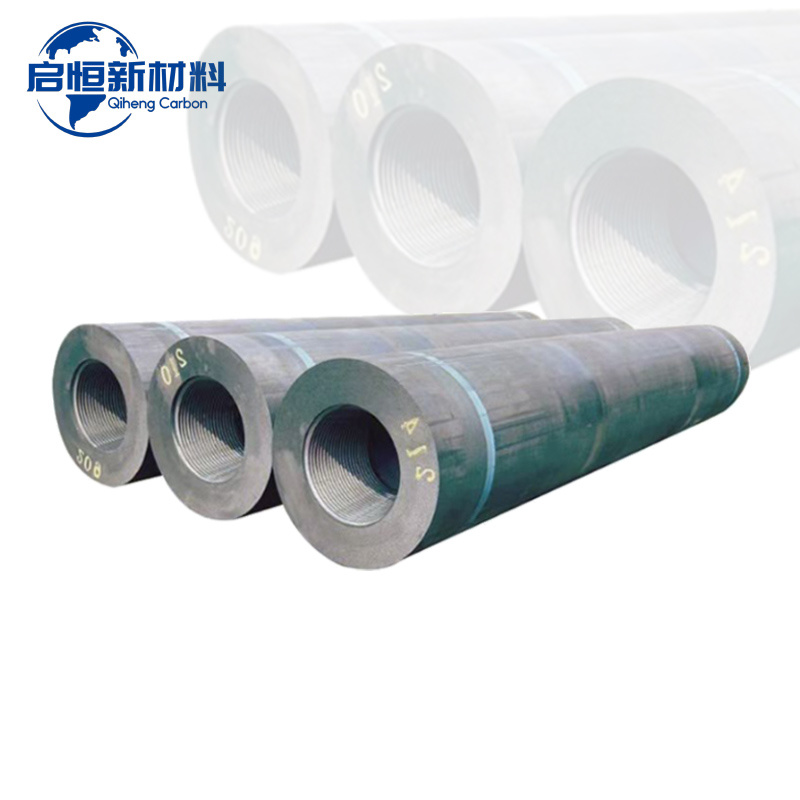
RP Graphite Electrodes: Transforming Conductivity in Metallurgical Processes
RP Graphite Electrodes: Enhancing Conductivity in Metallurgical Applications
Table of Contents
1. Introduction to RP Graphite Electrodes
2. Understanding Graphite and Its Properties
3. The Role of RP Graphite Electrodes in Metallurgy
4. Benefits of Using RP Graphite Electrodes
5. The Manufacturing Process of RP Graphite Electrodes
6. Applications of RP Graphite Electrodes
The Essential Guide to Graphite Blocks in Metallurgy and Energy Industries
Graphite blocks are pivotal materials in the metallurgy and energy industries, particularly within the non-metallic mineral products sector. These blocks, made from natural or synthetic graphite, possess unique properties that make them suitable for a wide range of applications. One of the most notable characteristics of graphite is its excellent thermal and electrical conductivity. This property
Quick Navigation
Contact Us
Mobile:
+8618031071182(Mr. Chang)
+8613703203188(Mr. Guo)
Address: West of Zholangbao Village, Shangcheng Town, Chengan County, Handan City, Hebei Province
Alibaba Store: