

Exploring the Properties of RP Graphite Electrodes for Optimal Performance
Mar 05,2025


Summary:
Exploring the Properties of RP Graphite Electrodes for Optimal Performance
Table of Contents
1. Introduction to RP Graphite Electrodes
2. What are RP Graphite Electrodes?
3. Key Properties of RP Graphite Electrodes
4. The Manufacturing Process of RP Graphite Electrodes
5. Applications of RP Graphite Electrodes in Various Industries
6. Performance Metrics of RP Graphite Ele
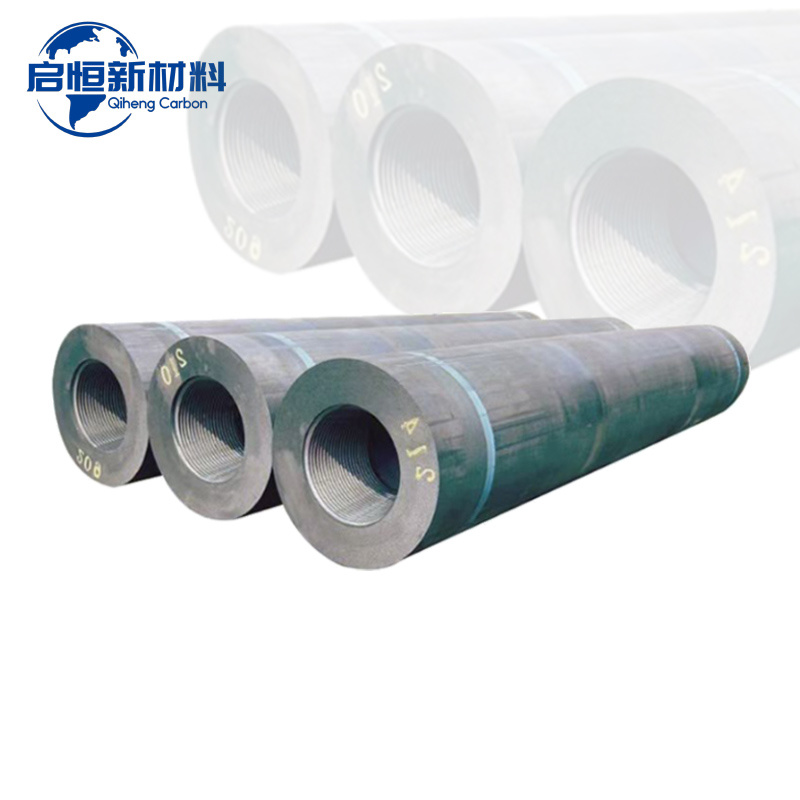
Exploring the Properties of RP Graphite Electrodes for Optimal Performance
Table of Contents
- 1. Introduction to RP Graphite Electrodes
- 2. What are RP Graphite Electrodes?
- 3. Key Properties of RP Graphite Electrodes
- 4. The Manufacturing Process of RP Graphite Electrodes
- 5. Applications of RP Graphite Electrodes in Various Industries
- 6. Performance Metrics of RP Graphite Electrodes
- 7. Advantages and Disadvantages of RP Graphite Electrodes
- 8. Future Trends in RP Graphite Electrode Technology
- 9. Frequently Asked Questions (FAQs)
- 10. Conclusion
1. Introduction to RP Graphite Electrodes
RP (Regular Power) graphite electrodes have become an essential component in the metallurgical and energy sectors, particularly in electric arc furnaces (EAF). With the ability to withstand high temperatures and provide excellent conductivity, RP graphite electrodes are pivotal in steel production, aluminum smelting, and other industrial applications. This article delves into the various properties, manufacturing processes, and applications of RP graphite electrodes, providing a comprehensive understanding of their role in enhancing performance and efficiency in various industries.
2. What are RP Graphite Electrodes?
RP graphite electrodes are cylindrical conductors made from petroleum coke and pitch, characterized by their regular power capabilities. These electrodes are primarily utilized in EAFs to facilitate the melting of scrap metal or other raw materials. Their design allows for efficient electrical conductivity, enabling them to transfer electrical energy to the charge within the furnace. The quality and properties of these electrodes directly influence the operational efficiency and productivity of the melting process.
2.1 Composition of RP Graphite Electrodes
The composition of RP graphite electrodes plays a crucial role in their performance. Typically, these electrodes consist of:
- **Petroleum coke:** The primary raw material, providing the carbon content necessary for conductivity.
- **Pitch binder:** A binder that holds the petroleum coke particles together, imparting strength and structural integrity.
- **Additives:** Various additives may be included to enhance specific properties, such as thermal resistance or electrical conductivity.
3. Key Properties of RP Graphite Electrodes
RP graphite electrodes exhibit a range of properties that make them suitable for high-performance applications. Understanding these properties is vital for maximizing their usage in industrial settings.
3.1 Electrical Conductivity
Electrical conductivity is one of the most critical properties of RP graphite electrodes, influencing their efficiency in transferring electrical energy. High conductivity ensures minimal energy loss during operation, enhancing the overall efficiency of the melting process.
3.2 Thermal Resistance
RP graphite electrodes are designed to withstand extreme temperatures, often exceeding 3000°C in EAF applications. Their thermal resistance ensures stability during the melting process, preventing deformation or failure under high thermal loads.
3.3 Mechanical Strength
The mechanical strength of RP graphite electrodes is essential for maintaining structural integrity during operation. These electrodes must endure significant mechanical stresses while maintaining their shape and functionality.
3.4 Chemical Resistance
In addition to thermal and mechanical properties, RP graphite electrodes exhibit excellent chemical resistance. They can resist oxidation and other corrosive environments, ensuring longevity and reliability in harsh conditions.
4. The Manufacturing Process of RP Graphite Electrodes
The manufacturing of RP graphite electrodes involves several critical steps, each contributing to the final product's quality and performance. Understanding this process helps to appreciate how various factors influence the properties of the electrodes.
4.1 Sourcing Raw Materials
The first step in manufacturing RP graphite electrodes is sourcing high-quality raw materials. Petroleum coke, being the primary ingredient, must be carefully selected to ensure optimal electrical and thermal properties.
4.2 Mixing and Milling
Once the raw materials are sourced, they undergo a mixing and milling process. This involves blending petroleum coke with pitch binder and any additives to achieve a homogenous mixture. Proper milling ensures that the particle size is uniform, which is crucial for the subsequent pressing process.
4.3 Pressing
The blended mixture is then subjected to high pressure, shaping it into cylindrical electrodes. This step is vital for achieving the desired density and mechanical strength of the electrodes.
4.4 Baking
After pressing, the electrodes are baked at high temperatures in an inert atmosphere. This carbonization process removes volatile components, resulting in a solid carbon structure essential for electrical conductivity.
4.5 Graphitization
The final step involves graphitization, where the baked electrodes are subjected to even higher temperatures (around 3000°C). This process transforms the carbon structure into graphite, enhancing its electrical conductivity and thermal resistance.
5. Applications of RP Graphite Electrodes in Various Industries
RP graphite electrodes find applications across numerous industries, thanks to their unique properties and performance metrics.
5.1 Steel Production
In the steel industry, RP graphite electrodes are primarily used in electric arc furnaces to melt scrap steel and other raw materials. Their high conductivity and thermal resistance make them ideal for this application, ensuring efficient melting and refining processes.
5.2 Aluminum Smelting
RP graphite electrodes are also utilized in aluminum smelting processes, where they facilitate the electrolysis of aluminum oxide. Their chemical resistance and ability to withstand high temperatures make them a suitable choice for this application.
5.3 Foundries
Foundries use RP graphite electrodes in various casting processes, where they provide reliable electrical conductivity for melting and pouring metal alloys.
5.4 Electrical Discharge Machining (EDM)
In the field of EDM, RP graphite electrodes are employed for their precision and ability to withstand high temperatures and electrical discharges, making them ideal for intricate machining tasks.
6. Performance Metrics of RP Graphite Electrodes
To evaluate the effectiveness of RP graphite electrodes, certain performance metrics must be considered.
6.1 Efficiency in Energy Transfer
The efficiency of energy transfer directly correlates with the electrical conductivity of the electrodes. High-quality RP graphite electrodes minimize energy loss, leading to cost savings and improved productivity in industrial operations.
6.2 Longevity and Durability
A vital performance metric is the longevity of RP graphite electrodes. Factors such as thermal resistance, mechanical strength, and chemical stability contribute to their overall durability, reducing replacement frequency and associated costs.
6.3 Melting Rate
The melting rate achieved with RP graphite electrodes is another crucial performance metric. Higher melting rates lead to increased productivity, allowing industries to meet demand without compromising quality.
7. Advantages and Disadvantages of RP Graphite Electrodes
Understanding the advantages and disadvantages of RP graphite electrodes helps industries make informed decisions regarding their use.
7.1 Advantages
- **High electrical conductivity:** Ensures efficient energy transfer, reducing operational costs.
- **Excellent thermal resistance:** Allows for stable performance in high-temperature environments.
- **Chemical stability:** Resists oxidation and other corrosive effects, enhancing longevity.
- **Versatility:** Applicable in various industries, from steel production to electrical machining.
7.2 Disadvantages
- **Cost:** High-quality RP graphite electrodes can be expensive, impacting overall production costs.
- **Brittleness:** While strong, they can be brittle under certain conditions, leading to breakage if not handled properly.
- **Environmental impact:** The production process can have environmental implications, necessitating sustainable practices.
8. Future Trends in RP Graphite Electrode Technology
The future of RP graphite electrodes is promising, with ongoing research and development focused on enhancing their properties and performance.
8.1 Innovations in Materials
Research is underway to explore alternative materials and composites that could improve the performance of RP graphite electrodes, potentially leading to more sustainable production methods.
8.2 Increased Automation
The rise of automation in manufacturing processes is set to enhance the efficiency of RP graphite electrode production, leading to consistent quality and reduced labor costs.
8.3 Environmental Regulations
As industries face increasing pressure to adopt environmentally friendly practices, the development of eco-friendly production methods for RP graphite electrodes will become a priority.
9. Frequently Asked Questions (FAQs)
9.1 What are the main uses of RP graphite electrodes?
RP graphite electrodes are primarily used in electric arc furnaces for steel production, aluminum smelting, foundries, and electrical discharge machining.
9.2 How do RP graphite electrodes differ from HP and UHP electrodes?
RP (Regular Power) electrodes are designed for lower power applications compared to HP (High Power) and UHP (Ultra High Power) electrodes, which are used for higher energy outputs and melting rates.
9.3 What factors influence the performance of RP graphite electrodes?
Key factors include electrical conductivity, thermal resistance, mechanical strength, and chemical stability, all of which affect the efficiency and longevity of the electrodes.
9.4 How can I ensure the optimal performance of RP graphite electrodes?
Ensuring optimal performance involves selecting high-quality electrodes, maintaining proper operating conditions, and adhering to best practices during installation and use.
9.5 Are there any environmental concerns associated with RP graphite electrodes?
Yes, the production of RP graphite electrodes can have environmental impacts, prompting the need for sustainable practices and innovative production methods to minimize these effects.
10. Conclusion
In conclusion, RP graphite electrodes are vital components in the metallurgical and energy industries. Their unique properties, such as high electrical conductivity, thermal resistance, and mechanical strength, make them indispensable in high-temperature applications. Understanding their manufacturing processes, key performance metrics, and the advantages and disadvantages is essential for industries looking to optimize their use. As technology advances, ongoing research and innovations will continue to enhance the capabilities of RP graphite electrodes, ensuring they remain a reliable choice for future industrial applications.
Previous:
Focus On Hot Spots
RP Graphite Electrodes: Transforming Conductivity in Metallurgical Processes
RP Graphite Electrodes: Enhancing Conductivity in Metallurgical Applications
Table of Contents
1. Introduction to RP Graphite Electrodes
2. Understanding Graphite and Its Properties
3. The Role of RP Graphite Electrodes in Metallurgy
4. Benefits of Using RP Graphite Electrodes
5. The Manufacturing Process of RP Graphite Electrodes
6. Applications of RP Graphite Electrodes
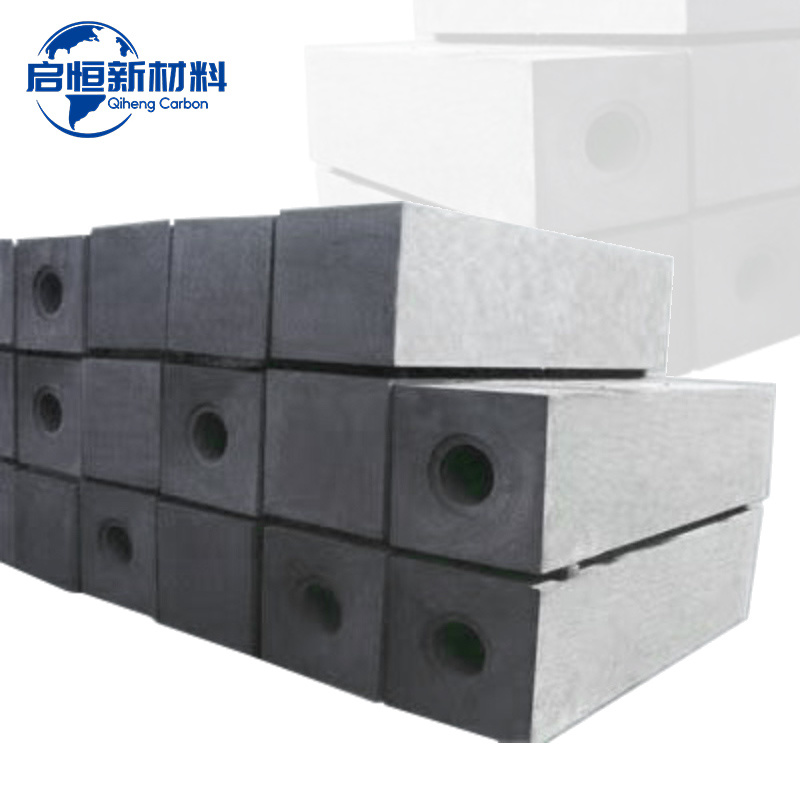
The Essential Guide to Graphite Blocks in Metallurgy and Energy Industries
Graphite blocks are pivotal materials in the metallurgy and energy industries, particularly within the non-metallic mineral products sector. These blocks, made from natural or synthetic graphite, possess unique properties that make them suitable for a wide range of applications. One of the most notable characteristics of graphite is its excellent thermal and electrical conductivity. This property
Quick Navigation
Contact Us
Mobile:
+8618031071182(Mr. Chang)
+8613703203188(Mr. Guo)
Address: West of Zholangbao Village, Shangcheng Town, Chengan County, Handan City, Hebei Province
Alibaba Store: