

Exploring the Versatility and Applications of Carbon Bricks in Metallurgy
Feb 28,2025


Summary:
Carbon bricks are specialized materials widely utilized in the metallurgy and energy sectors, particularly within the non-metallic mineral products domain. These bricks are primarily composed of carbon, which imparts unique properties that make them particularly valuable in various industrial applications.
One of the most significant advantages of carbon bricks is their excellent thermal conductiv
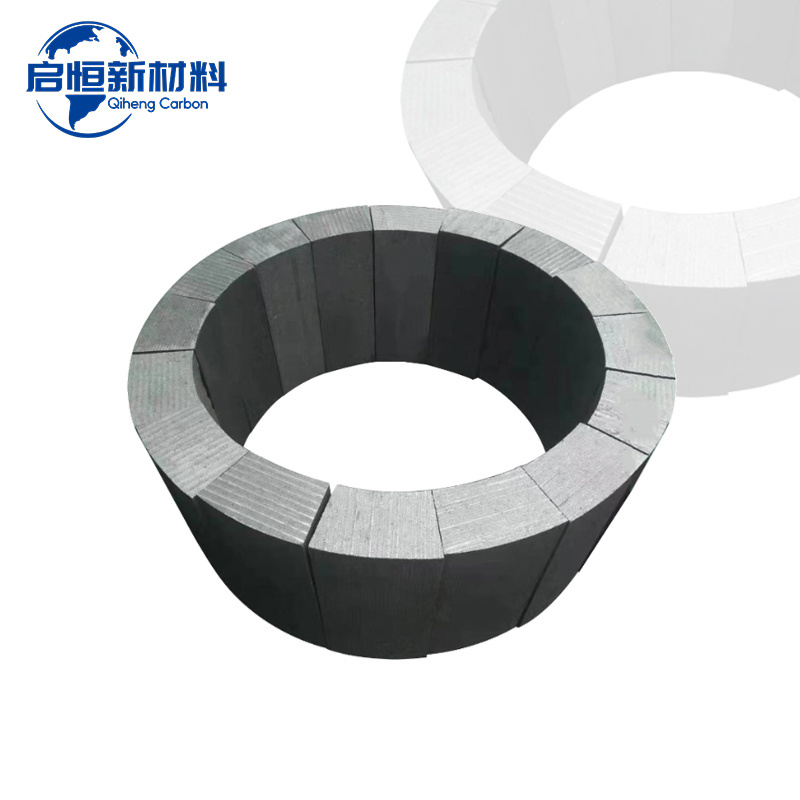
Carbon bricks are specialized materials widely utilized in the metallurgy and energy sectors, particularly within the non-metallic mineral products domain. These bricks are primarily composed of carbon, which imparts unique properties that make them particularly valuable in various industrial applications.
One of the most significant advantages of carbon bricks is their excellent thermal conductivity. This characteristic makes them ideal for high-temperature environments, such as furnaces and kilns, where efficient heat transfer is essential. The ability to withstand extreme temperatures without significant deformation or chemical alteration enables carbon bricks to maintain structural integrity, thereby ensuring optimal operational efficiency.
Moreover, carbon bricks exhibit exceptional resistance to chemical corrosion. This property is crucial in industries where exposure to aggressive substances is commonplace. For instance, in metallurgical processes involving molten metals and slag, carbon bricks can resist wear and degradation, contributing to the longevity and reliability of industrial equipment. Their durability minimizes the need for frequent replacements, which not only lowers operational costs but also enhances productivity.
In addition to their thermal and chemical resilience, carbon bricks are known for their mechanical strength. This feature makes them suitable for load-bearing applications, where structural stability is paramount. The bricks can be engineered to meet specific requirements, offering versatility in various configurations and dimensions tailored to the unique needs of different applications.
The manufacturing process of carbon bricks involves a meticulous selection of raw materials, typically including petroleum coke or coal tar pitch. These materials are subjected to high-temperature treatment to carbonize and enhance the material properties. The result is a dense, homogenous product that exhibits uniformity in structure and performance. Quality control during the production process ensures that the final product meets stringent industry standards.
Carbon bricks are extensively employed in a range of applications beyond traditional metallurgical uses. They are increasingly utilized in the construction of lining materials for electric arc furnaces, ladles, and other high-temperature vessels. Furthermore, their application extends to the production of electrodes in the aluminum and steel industries, as well as in the manufacturing of specialty batteries.
In summary, carbon bricks are indispensable in the metallurgy and non-metallic mineral products sectors due to their superior thermal conductivity, chemical resistance, mechanical strength, and versatility. Understanding the properties and applications of carbon bricks can greatly enhance operational efficiency and contribute to the overall success of industrial processes. For professionals in metallurgy, knowledge of this material is essential for optimizing production techniques and ensuring the longevity of equipment.
One of the most significant advantages of carbon bricks is their excellent thermal conductivity. This characteristic makes them ideal for high-temperature environments, such as furnaces and kilns, where efficient heat transfer is essential. The ability to withstand extreme temperatures without significant deformation or chemical alteration enables carbon bricks to maintain structural integrity, thereby ensuring optimal operational efficiency.
Moreover, carbon bricks exhibit exceptional resistance to chemical corrosion. This property is crucial in industries where exposure to aggressive substances is commonplace. For instance, in metallurgical processes involving molten metals and slag, carbon bricks can resist wear and degradation, contributing to the longevity and reliability of industrial equipment. Their durability minimizes the need for frequent replacements, which not only lowers operational costs but also enhances productivity.
In addition to their thermal and chemical resilience, carbon bricks are known for their mechanical strength. This feature makes them suitable for load-bearing applications, where structural stability is paramount. The bricks can be engineered to meet specific requirements, offering versatility in various configurations and dimensions tailored to the unique needs of different applications.
The manufacturing process of carbon bricks involves a meticulous selection of raw materials, typically including petroleum coke or coal tar pitch. These materials are subjected to high-temperature treatment to carbonize and enhance the material properties. The result is a dense, homogenous product that exhibits uniformity in structure and performance. Quality control during the production process ensures that the final product meets stringent industry standards.
Carbon bricks are extensively employed in a range of applications beyond traditional metallurgical uses. They are increasingly utilized in the construction of lining materials for electric arc furnaces, ladles, and other high-temperature vessels. Furthermore, their application extends to the production of electrodes in the aluminum and steel industries, as well as in the manufacturing of specialty batteries.
In summary, carbon bricks are indispensable in the metallurgy and non-metallic mineral products sectors due to their superior thermal conductivity, chemical resistance, mechanical strength, and versatility. Understanding the properties and applications of carbon bricks can greatly enhance operational efficiency and contribute to the overall success of industrial processes. For professionals in metallurgy, knowledge of this material is essential for optimizing production techniques and ensuring the longevity of equipment.
Focus On Hot Spots
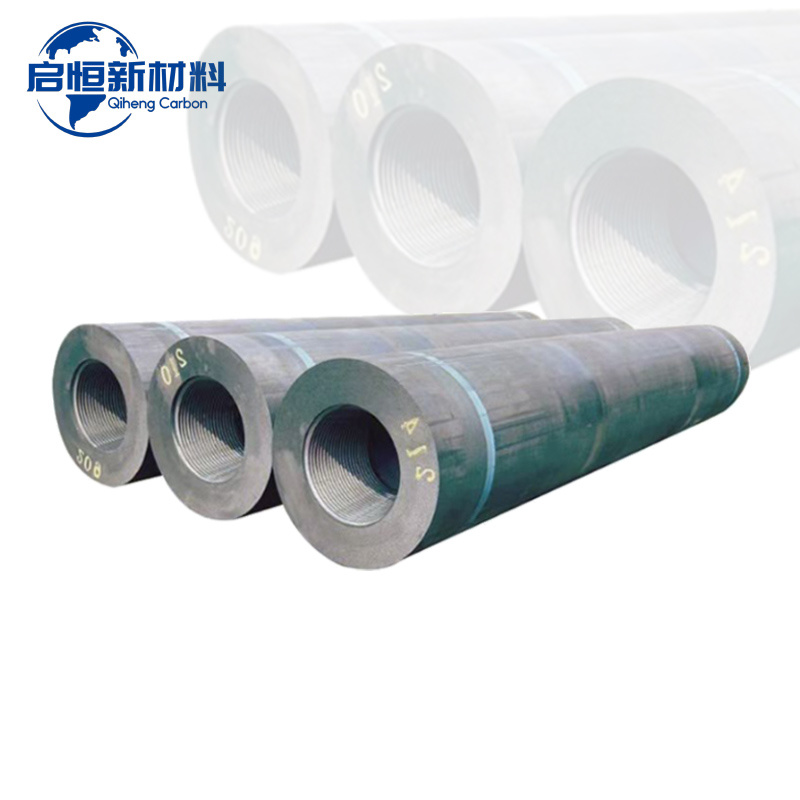
RP Graphite Electrodes: Transforming Conductivity in Metallurgical Processes
RP Graphite Electrodes: Enhancing Conductivity in Metallurgical Applications
Table of Contents
1. Introduction to RP Graphite Electrodes
2. Understanding Graphite and Its Properties
3. The Role of RP Graphite Electrodes in Metallurgy
4. Benefits of Using RP Graphite Electrodes
5. The Manufacturing Process of RP Graphite Electrodes
6. Applications of RP Graphite Electrodes
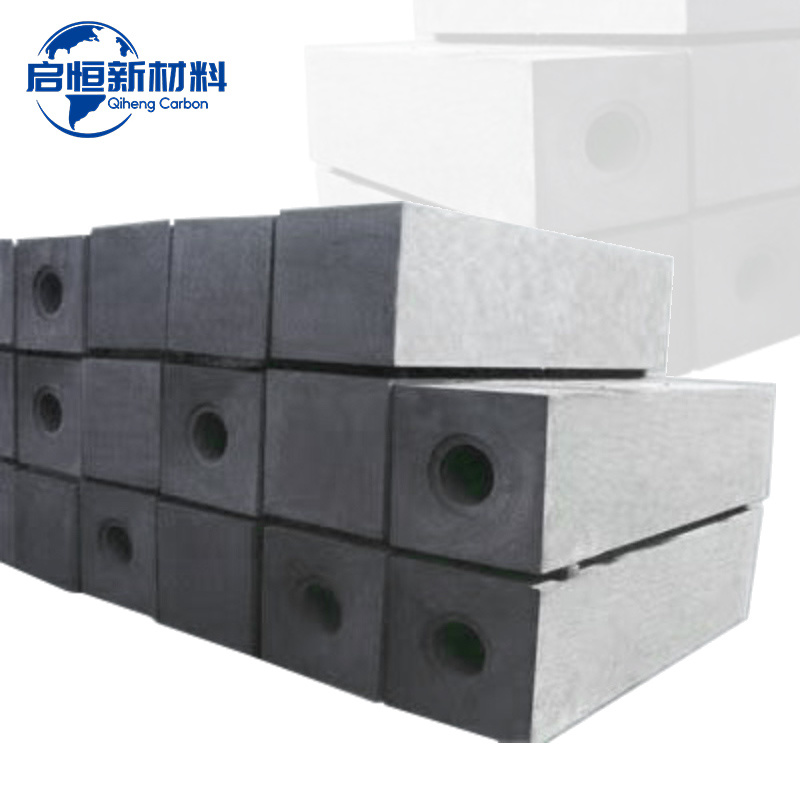
The Essential Guide to Graphite Blocks in Metallurgy and Energy Industries
Graphite blocks are pivotal materials in the metallurgy and energy industries, particularly within the non-metallic mineral products sector. These blocks, made from natural or synthetic graphite, possess unique properties that make them suitable for a wide range of applications. One of the most notable characteristics of graphite is its excellent thermal and electrical conductivity. This property
Quick Navigation
Contact Us
Mobile:
+8618031071182(Mr. Chang)
+8613703203188(Mr. Guo)
Address: West of Zholangbao Village, Shangcheng Town, Chengan County, Handan City, Hebei Province
Alibaba Store: