

Understanding Graphite Electrodes in Steel Making: Essential Insights for Industry Professionals
Feb 20,2025


Summary:
Graphite electrodes play a vital role in the steel making industry, particularly in electric arc furnaces (EAFs), where they are used to conduct electricity and generate the necessary heat for melting scrap steel or direct reduced iron. The efficiency and effectiveness of this process depend significantly on the quality and properties of the graphite electrodes employed.
One of the primary reasons
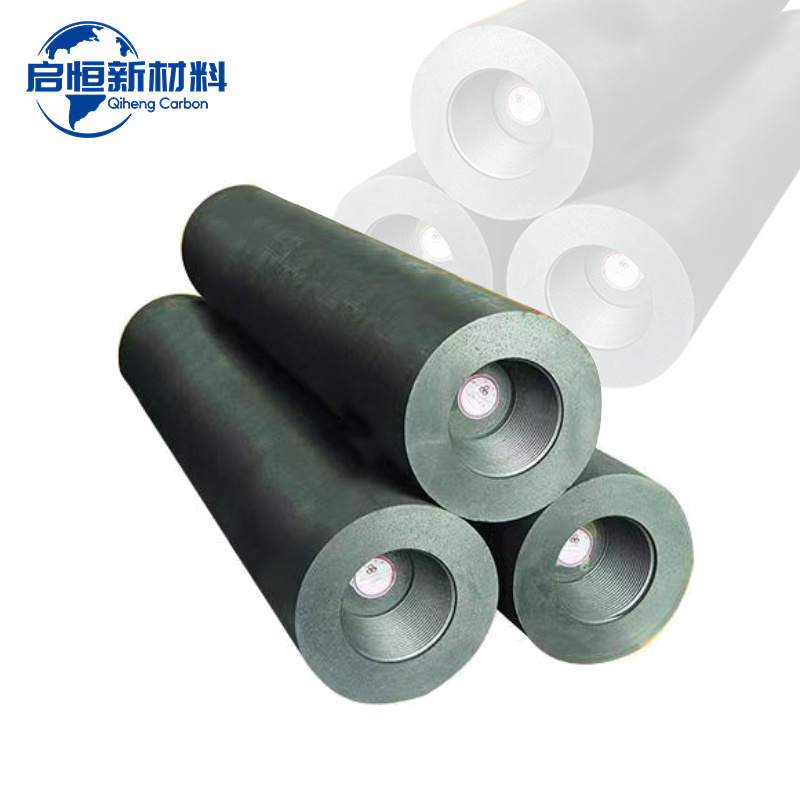
Graphite electrodes play a vital role in the steel making industry, particularly in electric arc furnaces (EAFs), where they are used to conduct electricity and generate the necessary heat for melting scrap steel or direct reduced iron. The efficiency and effectiveness of this process depend significantly on the quality and properties of the graphite electrodes employed.
One of the primary reasons graphite is chosen for electrodes is its exceptional electrical conductivity. Graphite can withstand extremely high temperatures, making it ideal for the intense heat generated during the steel melting process. The ability to maintain structural integrity at high temperatures ensures that the electrodes can operate efficiently over extended periods, reducing the need for frequent replacements and minimizing downtime in steel production.
Composition is another essential factor to consider when discussing graphite electrodes for steel making. High-quality electrodes are typically manufactured using a mix of petroleum coke and coal tar pitch. The resulting product undergoes a series of processes, including shaping, baking, and graphitization, which enhance its properties. The careful selection of raw materials and strict quality control during production are crucial for ensuring the electrodes' performance in the EAF.
Moreover, the diameter and length of graphite electrodes can significantly influence their efficiency in melting processes. Larger diameter electrodes can provide greater current carrying capacity, which translates to higher melting rates and better productivity. However, the selection of electrode size should be balanced with operational requirements, as larger electrodes can be more challenging to handle and may require more robust equipment.
The life span of graphite electrodes is often a concern in steel making. Factors such as the quality of the electrode, the specific melting conditions, and the type of materials being melted all play a role in determining how long an electrode will last. Proper management of these variables can lead to extended electrode life, resulting in reduced costs and improved operational efficiency.
In conclusion, understanding the technical attributes and functionalities of graphite electrodes is essential for professionals in the metallurgy and mining industry. By leveraging high-quality graphite electrodes, steel manufacturers can enhance their production processes, ensuring better quality steel while also optimizing operational costs. As the industry continues to evolve, innovations in electrode technology may further improve their efficiency and performance, making them an indispensable component of modern steel making.
One of the primary reasons graphite is chosen for electrodes is its exceptional electrical conductivity. Graphite can withstand extremely high temperatures, making it ideal for the intense heat generated during the steel melting process. The ability to maintain structural integrity at high temperatures ensures that the electrodes can operate efficiently over extended periods, reducing the need for frequent replacements and minimizing downtime in steel production.
Composition is another essential factor to consider when discussing graphite electrodes for steel making. High-quality electrodes are typically manufactured using a mix of petroleum coke and coal tar pitch. The resulting product undergoes a series of processes, including shaping, baking, and graphitization, which enhance its properties. The careful selection of raw materials and strict quality control during production are crucial for ensuring the electrodes' performance in the EAF.
Moreover, the diameter and length of graphite electrodes can significantly influence their efficiency in melting processes. Larger diameter electrodes can provide greater current carrying capacity, which translates to higher melting rates and better productivity. However, the selection of electrode size should be balanced with operational requirements, as larger electrodes can be more challenging to handle and may require more robust equipment.
The life span of graphite electrodes is often a concern in steel making. Factors such as the quality of the electrode, the specific melting conditions, and the type of materials being melted all play a role in determining how long an electrode will last. Proper management of these variables can lead to extended electrode life, resulting in reduced costs and improved operational efficiency.
In conclusion, understanding the technical attributes and functionalities of graphite electrodes is essential for professionals in the metallurgy and mining industry. By leveraging high-quality graphite electrodes, steel manufacturers can enhance their production processes, ensuring better quality steel while also optimizing operational costs. As the industry continues to evolve, innovations in electrode technology may further improve their efficiency and performance, making them an indispensable component of modern steel making.
Focus On Hot Spots
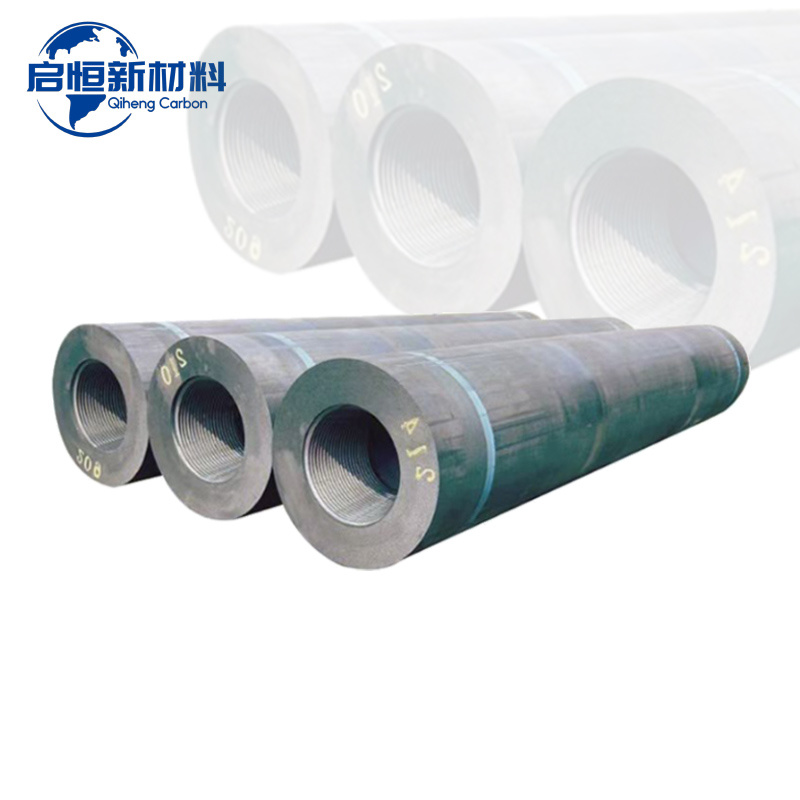
RP Graphite Electrodes: Transforming Conductivity in Metallurgical Processes
RP Graphite Electrodes: Enhancing Conductivity in Metallurgical Applications
Table of Contents
1. Introduction to RP Graphite Electrodes
2. Understanding Graphite and Its Properties
3. The Role of RP Graphite Electrodes in Metallurgy
4. Benefits of Using RP Graphite Electrodes
5. The Manufacturing Process of RP Graphite Electrodes
6. Applications of RP Graphite Electrodes
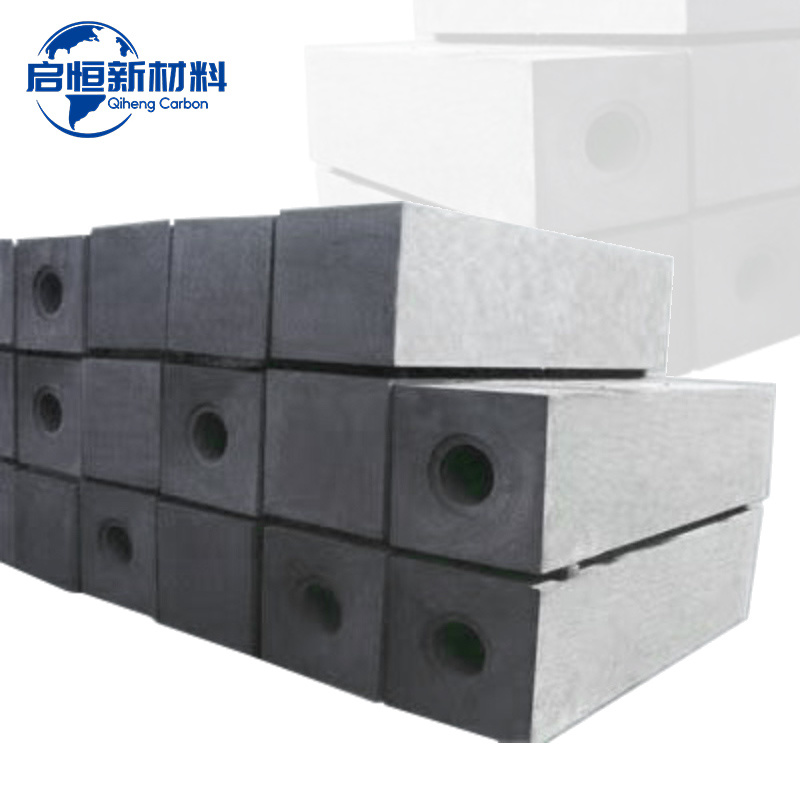
The Essential Guide to Graphite Blocks in Metallurgy and Energy Industries
Graphite blocks are pivotal materials in the metallurgy and energy industries, particularly within the non-metallic mineral products sector. These blocks, made from natural or synthetic graphite, possess unique properties that make them suitable for a wide range of applications. One of the most notable characteristics of graphite is its excellent thermal and electrical conductivity. This property
Quick Navigation
Contact Us
Mobile:
+8618031071182(Mr. Chang)
+8613703203188(Mr. Guo)
Address: West of Zholangbao Village, Shangcheng Town, Chengan County, Handan City, Hebei Province
Alibaba Store: