

Exploring the Manufacturing Process of Carbon Graphite Electrodes: A Comprehensive Guide
Feb 21,2025


Summary:
Exploring the Manufacturing Process of Carbon Graphite Electrodes
Table of Contents
1. Introduction to Carbon Graphite Electrodes
2. Importance of Carbon Graphite Electrodes in Modern Industry
3. Raw Materials Used in Carbon Graphite Electrode Manufacturing
4. The Step-by-Step Manufacturing Process of Carbon Graphite Electrodes
4.1 Calcination of Raw Materials
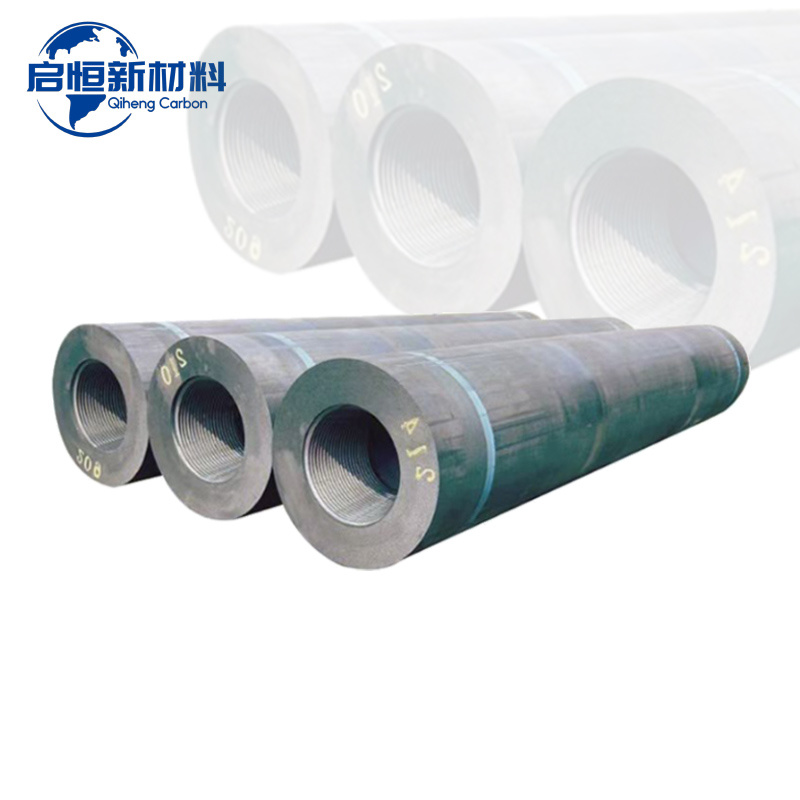
Exploring the Manufacturing Process of Carbon Graphite Electrodes
Table of Contents
- 1. Introduction to Carbon Graphite Electrodes
- 2. Importance of Carbon Graphite Electrodes in Modern Industry
- 3. Raw Materials Used in Carbon Graphite Electrode Manufacturing
- 4. The Step-by-Step Manufacturing Process of Carbon Graphite Electrodes
- 4.1 Calcination of Raw Materials
- 4.2 Mixing and Kneading
- 4.3 Forming the Electrodes
- 4.4 Baking the Electrodes
- 4.5 Graphitization
- 4.6 Machining and Finishing
- 5. Quality Control Measures in Electrode Manufacturing
- 6. Applications of Carbon Graphite Electrodes
- 7. The Future of Carbon Graphite Electrodes in Sustainable Manufacturing
- 8. Frequently Asked Questions
- 9. Conclusion
1. Introduction to Carbon Graphite Electrodes
Carbon graphite electrodes serve as a critical component in various industrial processes. These electrodes are primarily used in electric arc furnaces for steelmaking, where they play a crucial role in conducting electricity to melt iron and other metals. The unique properties of carbon graphite, such as its high thermal conductivity and ability to withstand extreme temperatures, make it an ideal material for this purpose.
2. Importance of Carbon Graphite Electrodes in Modern Industry
The significance of carbon graphite electrodes transcends the steel industry. They are employed in a variety of applications, including:
- **Aluminum production**: Serving in the process of electrolysis.
- **Foundries**: Used in electric arc furnaces to melt ferrous and non-ferrous metals.
- **Manufacturing of silicon**: Essential in the production of solar panels.
Their utility in high-temperature applications and electric conductivity makes carbon graphite electrodes indispensable in modern manufacturing environments.
3. Raw Materials Used in Carbon Graphite Electrode Manufacturing
The manufacturing process of carbon graphite electrodes begins with the selection of high-quality raw materials, which include:
- **Petroleum coke**: A byproduct of the oil refining process, petroleum coke is the primary source of carbon.
- **Coal tar pitch**: This viscous liquid serves as a binder for the petroleum coke, providing structural integrity to the electrodes.
- **Graphite powder**: Used to enhance the conductivity and thermal stability of the electrodes.
The quality and characteristics of these raw materials directly affect the performance of the finished product.
4. The Step-by-Step Manufacturing Process of Carbon Graphite Electrodes
The manufacturing of carbon graphite electrodes involves several key stages, each critical to ensuring the final product meets industry standards for quality and performance.
4.1 Calcination of Raw Materials
The first step in the manufacturing process is the calcination of petroleum coke. This involves heating the petroleum coke at high temperatures (approximately 1200°C) to remove volatile components, thereby increasing its carbon content. The resultant calcined petroleum coke forms the primary raw material for electrode production.
4.2 Mixing and Kneading
Once the calcination process is complete, the calcined petroleum coke is mixed with coal tar pitch and any additional additives. This mixture is then kneaded to form a homogeneous paste. The ratio of petroleum coke to pitch is critical, as it influences the electrode’s mechanical strength and electrical conductivity.
4.3 Forming the Electrodes
The kneaded paste is then shaped into the desired electrode size and form using extrusion or molding techniques. This step involves applying pressure to ensure that the mixture adheres properly, creating a solid structure that can withstand subsequent processes.
4.4 Baking the Electrodes
The formed electrodes are then subjected to a baking process at temperatures ranging from 1000°C to 1200°C. This step removes additional volatile components, hardening the electrode structure and enhancing its mechanical properties. The baking duration and temperature are carefully controlled to achieve optimal results.
4.5 Graphitization
Following baking, the electrodes undergo graphitization, where they are heated to temperatures exceeding 2500°C in an inert atmosphere. This process transforms the baked material into graphite, significantly improving its electrical conductivity and thermal stability. The graphitization process is vital for the performance of carbon graphite electrodes in high-temperature applications.
4.6 Machining and Finishing
After graphitization, the electrodes are machined to meet specific dimensional requirements. This includes cutting, drilling, and shaping the electrodes to ensure they fit precisely into their intended applications. The final finishing processes may also include surface treatments to enhance the electrodes' performance and lifespan.
5. Quality Control Measures in Electrode Manufacturing
Quality control is paramount in the manufacturing of carbon graphite electrodes, as it directly impacts performance and reliability. Various measures are implemented to ensure that each batch of electrodes meets stringent industry standards:
- **Material testing**: All raw materials undergo rigorous testing for purity and composition before use.
- **Process monitoring**: Throughout the manufacturing process, parameters such as temperature, pressure, and time are closely monitored.
- **Final product testing**: Finished electrodes are subjected to electrical and mechanical testing to ensure they meet specified performance criteria.
By adhering to these quality control measures, manufacturers can ensure the consistency and reliability of their carbon graphite electrodes.
6. Applications of Carbon Graphite Electrodes
Carbon graphite electrodes find application in several sectors, primarily due to their ability to handle high temperatures and electrical conductivity. Key applications include:
- **Steelmaking**: Used in electric arc furnaces to melt scrap steel and produce new steel.
- **Aluminum production**: Essential in the electrolysis process for aluminum extraction.
- **Electronics**: Utilized in the production of semiconductors and other electronic components.
- **Renewable energy**: Increasingly used in battery technology and renewable energy systems due to their conductivity and stability.
The versatility of carbon graphite electrodes makes them crucial in advancing various technological processes across multiple industries.
7. The Future of Carbon Graphite Electrodes in Sustainable Manufacturing
As industries shift towards more sustainable practices, the demand for innovative and environmentally friendly materials is on the rise. Carbon graphite electrodes are evolving to meet these demands through:
- **Recycling initiatives**: Developing methods to recycle used electrodes for new applications.
- **Alternative raw materials**: Researching and utilizing bio-based or renewable materials in electrode manufacturing.
- **Energy-efficient processes**: Implementing advanced technologies to reduce energy consumption during production.
These advancements position carbon graphite electrodes as a sustainable choice for the future, ensuring their relevance in a rapidly evolving industrial landscape.
8. Frequently Asked Questions
What are carbon graphite electrodes used for?
Carbon graphite electrodes are primarily used in electric arc furnaces for steelmaking, aluminum production, and various other high-temperature industrial processes.
How are carbon graphite electrodes manufactured?
The manufacturing process involves the calcination of petroleum coke, mixing with coal tar pitch, forming, baking, graphitization, and finishing.
What is the role of quality control in electrode manufacturing?
Quality control ensures that raw materials and finished products meet industry standards for performance, reliability, and safety.
Can carbon graphite electrodes be recycled?
Yes, there are emerging recycling initiatives aimed at reprocessing used carbon graphite electrodes for new applications, contributing to sustainable manufacturing practices.
What are the advantages of using carbon graphite electrodes?
Their high thermal conductivity, electrical conductivity, and ability to withstand extreme temperatures make carbon graphite electrodes ideal for various industrial applications.
9. Conclusion
The manufacturing process of carbon graphite electrodes is a complex yet fascinating journey that underscores the importance of these materials in modern industry. From their role in steelmaking to their applications in renewable energy, carbon graphite electrodes continue to evolve, adapting to the demands of a sustainable future. Understanding this manufacturing process not only highlights their significance but also paves the way for innovations that will drive efficiency and sustainability in various sectors. As we move forward, the advancements in electrode technology will undoubtedly play a pivotal role in shaping the landscape of modern manufacturing.
Previous:
Focus On Hot Spots
RP Graphite Electrodes: Transforming Conductivity in Metallurgical Processes
RP Graphite Electrodes: Enhancing Conductivity in Metallurgical Applications
Table of Contents
1. Introduction to RP Graphite Electrodes
2. Understanding Graphite and Its Properties
3. The Role of RP Graphite Electrodes in Metallurgy
4. Benefits of Using RP Graphite Electrodes
5. The Manufacturing Process of RP Graphite Electrodes
6. Applications of RP Graphite Electrodes
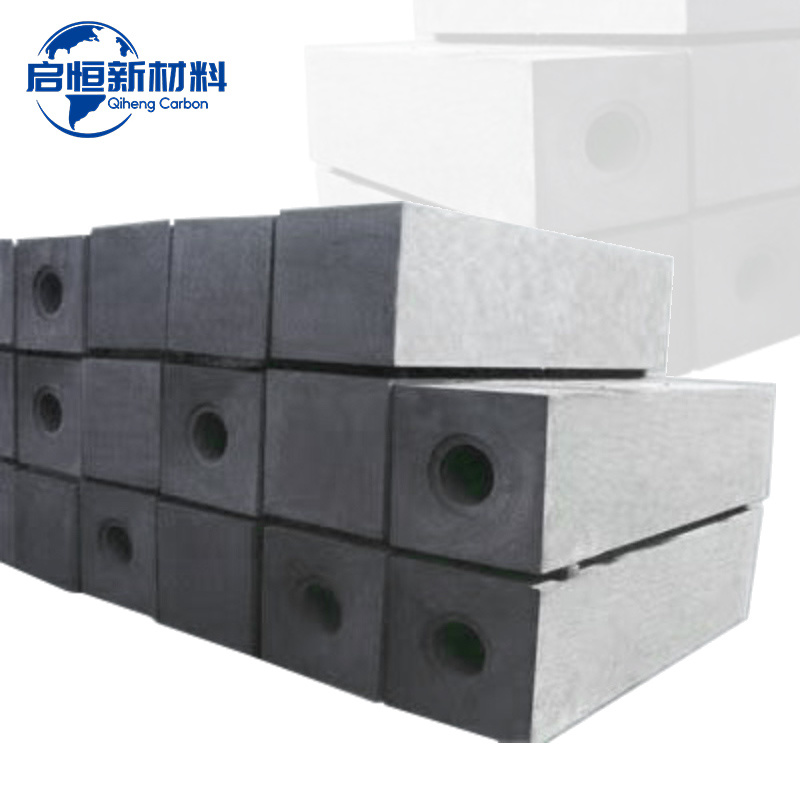
The Essential Guide to Graphite Blocks in Metallurgy and Energy Industries
Graphite blocks are pivotal materials in the metallurgy and energy industries, particularly within the non-metallic mineral products sector. These blocks, made from natural or synthetic graphite, possess unique properties that make them suitable for a wide range of applications. One of the most notable characteristics of graphite is its excellent thermal and electrical conductivity. This property
Quick Navigation
Contact Us
Mobile:
+8618031071182(Mr. Chang)
+8613703203188(Mr. Guo)
Address: West of Zholangbao Village, Shangcheng Town, Chengan County, Handan City, Hebei Province
Alibaba Store: