

Understanding HP Graphite Electrode: Key Insights for the Metallurgical Industry
Feb 18,2025


Summary:
HP (High Power) graphite electrodes play a crucial role in the metallurgy industry, particularly in electric arc furnaces (EAFs) used for steel production. These electrodes are manufactured from high-quality petroleum needle coke and are characterized by their excellent electrical conductivity, mechanical strength, and resistance to thermal shock. The unique properties of HP graphite electrodes ma
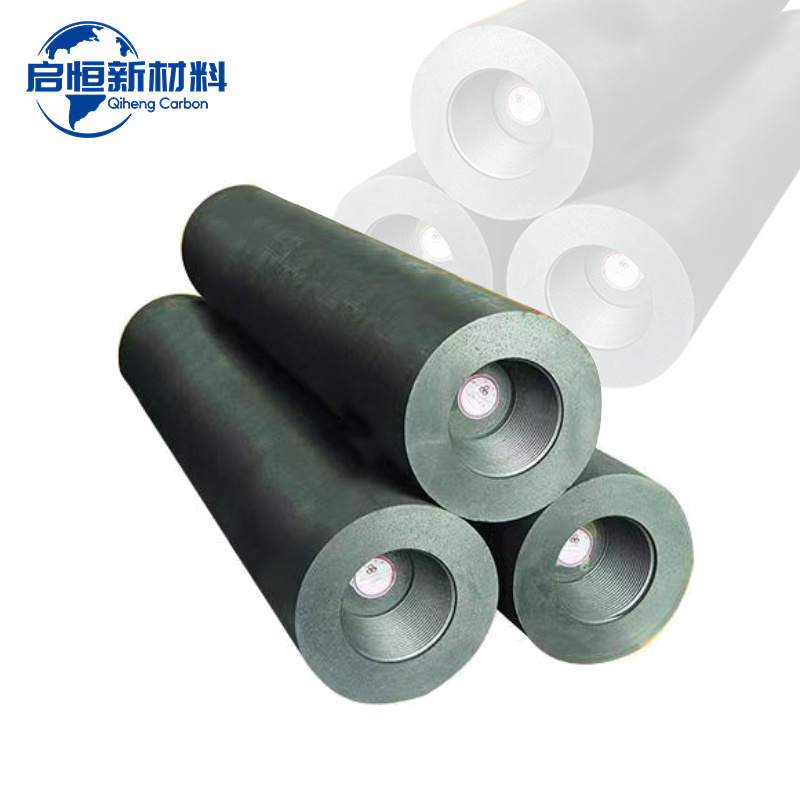
HP (High Power) graphite electrodes play a crucial role in the metallurgy industry, particularly in electric arc furnaces (EAFs) used for steel production. These electrodes are manufactured from high-quality petroleum needle coke and are characterized by their excellent electrical conductivity, mechanical strength, and resistance to thermal shock. The unique properties of HP graphite electrodes make them ideal for high-temperature applications, allowing for efficient and effective melting of scrap metal and other raw materials.
One of the primary advantages of using HP graphite electrodes is their high current-carrying capacity, which enables them to withstand the intense electrical and thermal conditions present in an EAF. This capability leads to improved energy efficiency during the melting process, ultimately resulting in reduced energy consumption and lower operational costs. Furthermore, the superior thermal stability of HP graphite electrodes contributes to their longevity, which minimizes the frequency of replacements and maintenance.
In addition to their use in steel production, HP graphite electrodes are also employed in the production of other non-ferrous metals and in various applications within the energy sector. For instance, they are advantageous in the manufacturing of silicon metal and ferroalloys. Their versatility makes HP graphite electrodes a preferred choice for industries that require reliable and high-performance materials.
The quality of HP graphite electrodes can significantly impact the overall efficiency and productivity of metallurgical operations. Factors such as the purity of the raw materials used in their production, the manufacturing process, and the design of the electrodes should be considered when selecting the appropriate type. It is essential for manufacturers to collaborate with suppliers who prioritize quality and innovation to ensure the best performance in their specific applications.
Furthermore, the demand for HP graphite electrodes has been rising in recent years, driven by the increasing focus on sustainability and the need for more efficient production methods. As industries strive to reduce their carbon footprint, the utilization of electric arc furnaces equipped with HP graphite electrodes provides a pathway towards more environmentally friendly practices.
In conclusion, HP graphite electrodes are indispensable in the metallurgical industry, offering a range of benefits from energy efficiency to enhanced productivity. Understanding the properties and applications of these electrodes can help businesses make informed decisions to optimize their operations. By leveraging the advantages of HP graphite electrodes, companies can position themselves for success in a competitive market while contributing to more sustainable manufacturing practices.
One of the primary advantages of using HP graphite electrodes is their high current-carrying capacity, which enables them to withstand the intense electrical and thermal conditions present in an EAF. This capability leads to improved energy efficiency during the melting process, ultimately resulting in reduced energy consumption and lower operational costs. Furthermore, the superior thermal stability of HP graphite electrodes contributes to their longevity, which minimizes the frequency of replacements and maintenance.
In addition to their use in steel production, HP graphite electrodes are also employed in the production of other non-ferrous metals and in various applications within the energy sector. For instance, they are advantageous in the manufacturing of silicon metal and ferroalloys. Their versatility makes HP graphite electrodes a preferred choice for industries that require reliable and high-performance materials.
The quality of HP graphite electrodes can significantly impact the overall efficiency and productivity of metallurgical operations. Factors such as the purity of the raw materials used in their production, the manufacturing process, and the design of the electrodes should be considered when selecting the appropriate type. It is essential for manufacturers to collaborate with suppliers who prioritize quality and innovation to ensure the best performance in their specific applications.
Furthermore, the demand for HP graphite electrodes has been rising in recent years, driven by the increasing focus on sustainability and the need for more efficient production methods. As industries strive to reduce their carbon footprint, the utilization of electric arc furnaces equipped with HP graphite electrodes provides a pathway towards more environmentally friendly practices.
In conclusion, HP graphite electrodes are indispensable in the metallurgical industry, offering a range of benefits from energy efficiency to enhanced productivity. Understanding the properties and applications of these electrodes can help businesses make informed decisions to optimize their operations. By leveraging the advantages of HP graphite electrodes, companies can position themselves for success in a competitive market while contributing to more sustainable manufacturing practices.
Focus On Hot Spots
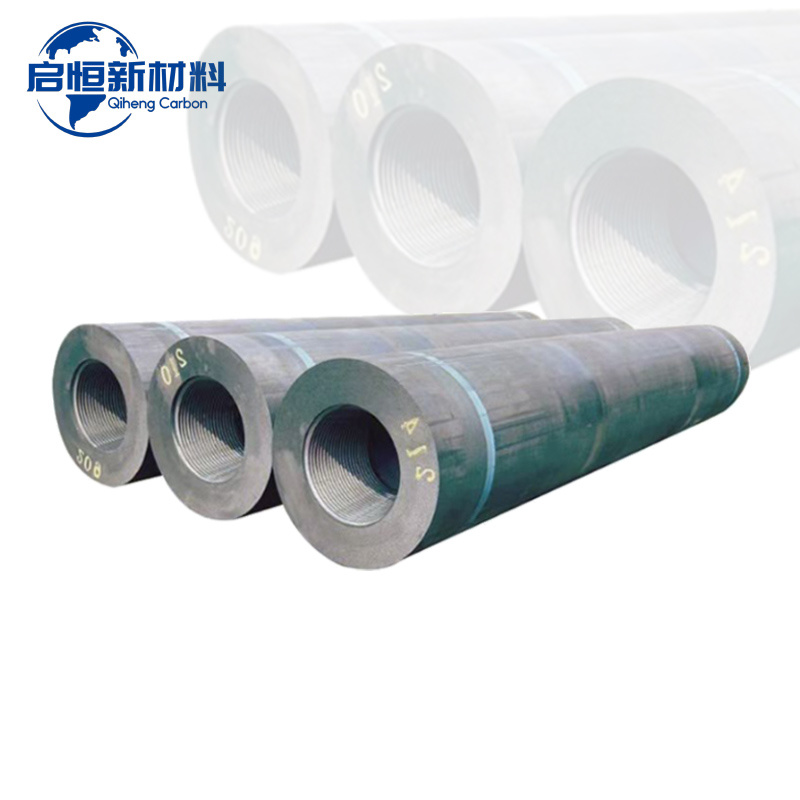
RP Graphite Electrodes: Transforming Conductivity in Metallurgical Processes
RP Graphite Electrodes: Enhancing Conductivity in Metallurgical Applications
Table of Contents
1. Introduction to RP Graphite Electrodes
2. Understanding Graphite and Its Properties
3. The Role of RP Graphite Electrodes in Metallurgy
4. Benefits of Using RP Graphite Electrodes
5. The Manufacturing Process of RP Graphite Electrodes
6. Applications of RP Graphite Electrodes
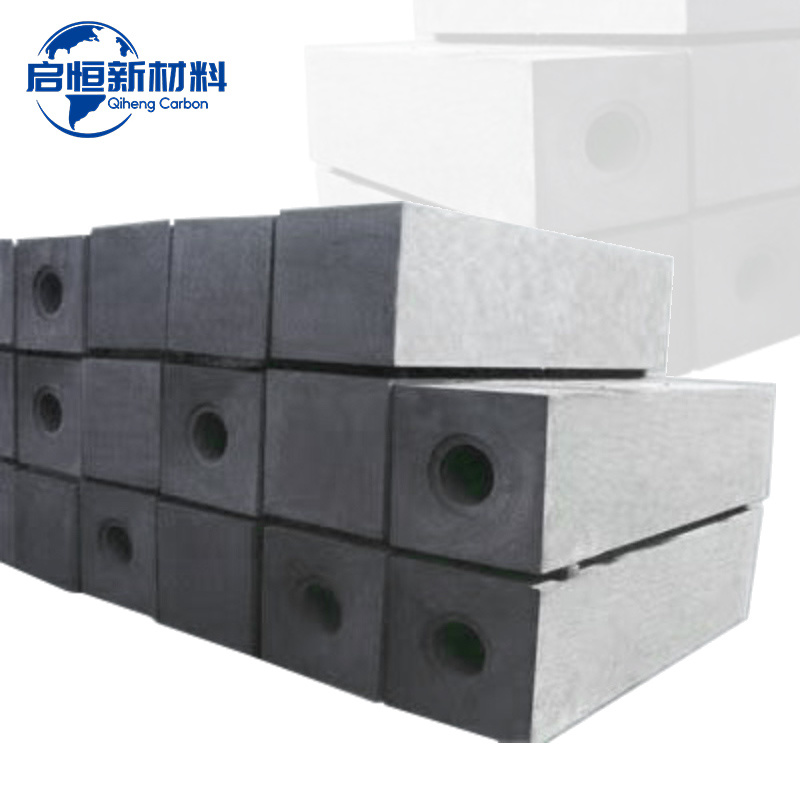
The Essential Guide to Graphite Blocks in Metallurgy and Energy Industries
Graphite blocks are pivotal materials in the metallurgy and energy industries, particularly within the non-metallic mineral products sector. These blocks, made from natural or synthetic graphite, possess unique properties that make them suitable for a wide range of applications. One of the most notable characteristics of graphite is its excellent thermal and electrical conductivity. This property
Quick Navigation
Contact Us
Mobile:
+8618031071182(Mr. Chang)
+8613703203188(Mr. Guo)
Address: West of Zholangbao Village, Shangcheng Town, Chengan County, Handan City, Hebei Province
Alibaba Store: