

How RP Graphite Electrodes Revolutionize Efficiency in Metallurgical Processes
Feb 17,2025


Summary:
Introduction to RP Graphite Electrodes in Metallurgy
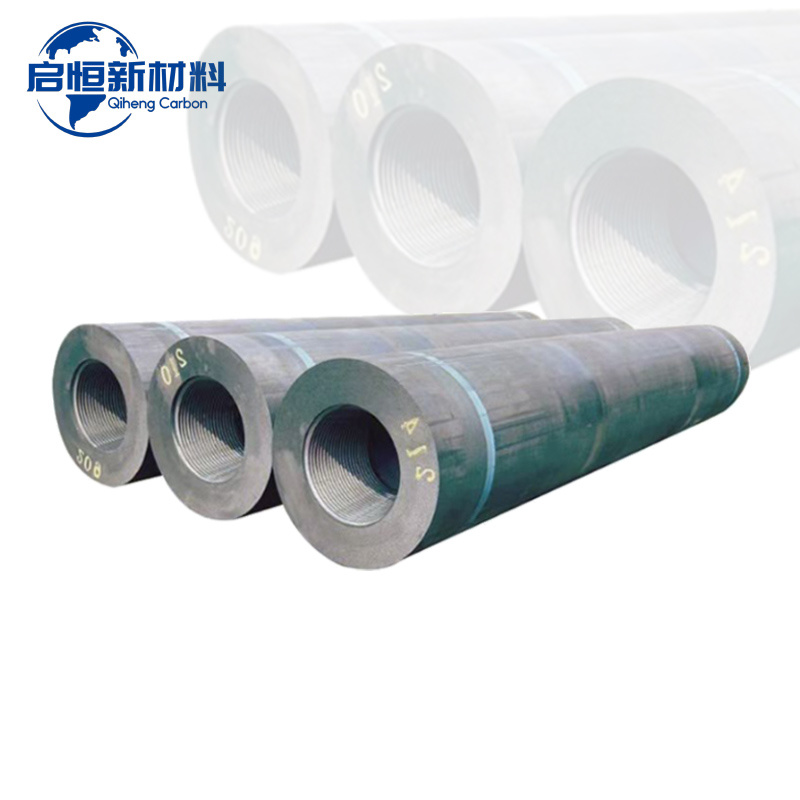
In the ever-evolving world of metallurgy, the demand for efficient and reliable materials is paramount. **RP (Regular Power) graphite electrodes** have emerged as a cornerstone in enhancing metallurgical processes, providing a blend of performance, durability, and cost-effectiveness. This article delves into how RP graphite electrodes are not
Introduction to RP Graphite Electrodes in Metallurgy
In the ever-evolving world of metallurgy, the demand for efficient and reliable materials is paramount. **RP (Regular Power) graphite electrodes** have emerged as a cornerstone in enhancing metallurgical processes, providing a blend of performance, durability, and cost-effectiveness. This article delves into how RP graphite electrodes are not only improving efficiency but also redefining best practices in various metallurgical applications.
Understanding the Role of Graphite Electrodes in Metallurgical Processes
Graphite electrodes are critical components in electric arc furnaces (EAFs), where they facilitate the melting of scrap steel or other metals. The role of these electrodes goes beyond mere conduction of electricity; they influence the quality of the metal produced and the overall energy consumption of the process.
Why Choose RP Graphite Electrodes?
RP graphite electrodes are favored for their **cost-effectiveness** and **performance**. They are engineered to withstand high temperatures while maintaining structural integrity, which is essential during the high-energy processes in EAFs.
Cost Efficiency and Durability
One of the main advantages of RP graphite electrodes is their **cost-efficiency**. They are produced using a blend of high-quality petroleum coke and pitch, making them less expensive than their ultra-high power counterparts. Additionally, their durability reduces the frequency of electrode replacements, leading to lower operational costs over time.
Enhancing Efficiency Through Thermal Conductivity
The thermal conductivity of RP graphite electrodes plays a crucial role in metallurgical processes. **Higher thermal conductivity** leads to more efficient energy transfer, which is essential in achieving optimal melting rates in EAFs.
Thermal Efficiency in Electric Arc Furnaces
In electric arc furnaces, the efficiency of energy use directly correlates with the thermal conductivity of the electrodes. RP graphite electrodes provide superior conductivity, which **accelerates the melting process** and reduces energy consumption.
Impact on Production Rates
By improving thermal efficiency, RP graphite electrodes can significantly enhance production rates. Faster melting times mean that manufacturers can increase output without compromising on quality, leading to better overall productivity.
Sustainability in Metallurgical Processes
As industries become more environmentally conscious, the choice of materials used in metallurgical processes is under scrutiny. RP graphite electrodes offer a **sustainable solution** by facilitating energy-efficient operations.
Reducing Carbon Footprint
The adoption of RP graphite electrodes can lead to a reduced carbon footprint in metallurgical operations. Their efficiency means that less electricity is used, which is crucial in industries striving to minimize their environmental impact.
Recyclability of Graphite Electrodes
Another key aspect of sustainability is the recyclability of materials. RP graphite electrodes can be repurposed at the end of their life cycle, making them an environmentally friendly choice for companies committed to sustainable practices.
Case Studies: Success Stories in the Metallurgical Industry
Numerous companies have successfully integrated RP graphite electrodes into their operations, reaping the benefits of enhanced efficiency and reduced costs.
Case Study 1: Steel Production Improvement
A leading steel manufacturer reported a **20% increase** in melt rates after switching to RP graphite electrodes. The improved thermal conductivity allowed for quicker melting, enabling the facility to meet growing demand without additional energy expenditure.
Case Study 2: Reduced Downtime
Another company experienced a **30% reduction in downtime** related to electrode replacement by utilizing RP graphite electrodes. The durability and reliability of these electrodes translated into fewer interruptions in production schedules.
Challenges in Using RP Graphite Electrodes
While RP graphite electrodes present numerous advantages, challenges exist that manufacturers must navigate.
Handling and Installation Issues
The handling and installation of RP graphite electrodes require specialized training to prevent damage during transport and setup. Companies must ensure that their workforce is well-equipped to manage these materials effectively.
Quality Control Measures
To maximize the benefits of RP graphite electrodes, stringent quality control measures must be implemented. Inconsistent quality can lead to performance issues, underscoring the importance of sourcing electrodes from reputable manufacturers.
Future Trends in Graphite Electrode Technology
As technology continues to evolve, so too does the development of graphite electrodes. Future trends may include enhanced materials and coatings that further improve thermal efficiency and reduce wear.
Innovations in Graphite Production
Research into advanced methods of graphite production is underway, focusing on creating electrodes with even higher conductivity and resilience. These innovations could lead to significant breakthroughs in metallurgical processing.
Integration of Smart Technologies
The integration of **smart technologies** in manufacturing processes is another exciting trend. Sensors and data analytics can help monitor the performance of RP graphite electrodes in real-time, allowing for proactive management and maintenance.
Frequently Asked Questions (FAQs)
1. What are RP graphite electrodes used for?
RP graphite electrodes are primarily used in electric arc furnaces for melting steel and other metals.
2. How do RP graphite electrodes enhance energy efficiency?
Their superior thermal conductivity allows for quicker melting times, reducing overall energy consumption during metallurgical processes.
3. Are RP graphite electrodes environmentally friendly?
Yes, RP graphite electrodes contribute to sustainability by reducing energy usage and are recyclable at the end of their lifecycle.
4. What challenges might companies face when using RP graphite electrodes?
Challenges include handling and installation issues, as well as ensuring consistent quality through stringent quality control measures.
5. What is the future of graphite electrode technology?
Future advancements may include improved materials and smart technologies for real-time performance monitoring.
Conclusion
In summary, RP graphite electrodes represent a significant advancement in metallurgical processes, offering enhanced efficiency, durability, and sustainability. With their high thermal conductivity and cost-effectiveness, they are poised to revolutionize the way metals are produced. As we move forward, the ongoing innovations in graphite technology will likely yield even greater benefits, making RP graphite electrodes an essential component in the future of metallurgy. Embracing these advancements will not only improve operational efficiency but also contribute to a more sustainable and environmentally responsible industry.
Focus On Hot Spots
RP Graphite Electrodes: Transforming Conductivity in Metallurgical Processes
RP Graphite Electrodes: Enhancing Conductivity in Metallurgical Applications
Table of Contents
1. Introduction to RP Graphite Electrodes
2. Understanding Graphite and Its Properties
3. The Role of RP Graphite Electrodes in Metallurgy
4. Benefits of Using RP Graphite Electrodes
5. The Manufacturing Process of RP Graphite Electrodes
6. Applications of RP Graphite Electrodes
The Essential Guide to Graphite Blocks in Metallurgy and Energy Industries
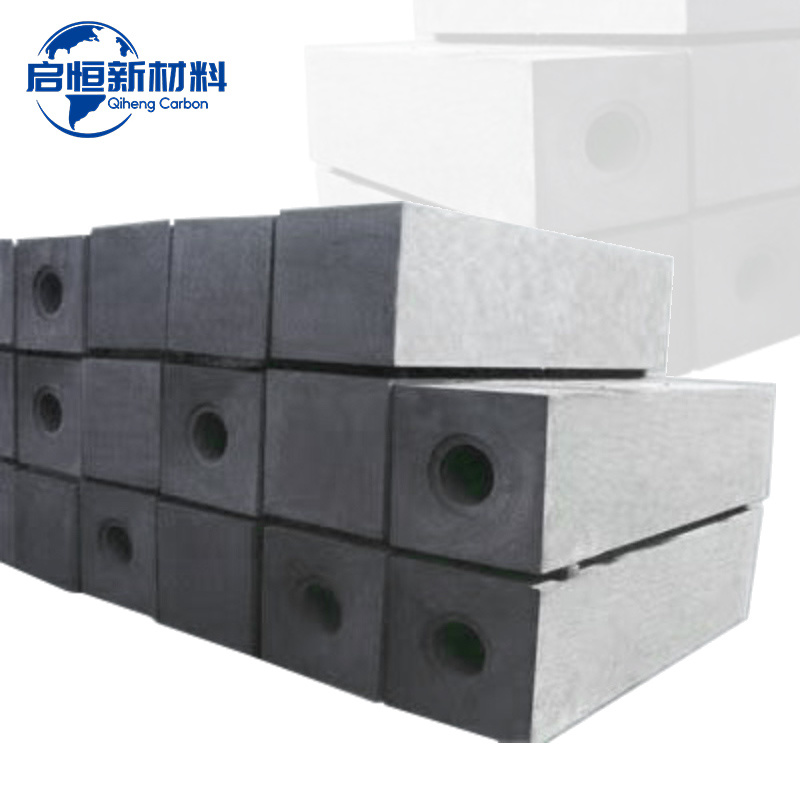
Graphite blocks are pivotal materials in the metallurgy and energy industries, particularly within the non-metallic mineral products sector. These blocks, made from natural or synthetic graphite, possess unique properties that make them suitable for a wide range of applications. One of the most notable characteristics of graphite is its excellent thermal and electrical conductivity. This property
Quick Navigation
Contact Us
Mobile:
+8618031071182(Mr. Chang)
+8613703203188(Mr. Guo)
Address: West of Zholangbao Village, Shangcheng Town, Chengan County, Handan City, Hebei Province
Alibaba Store: