

Understanding Carbon Bricks: Key Insights for Professionals in the Metallurgy and Non-Metallic Mineral Industry
Feb 12,2025


Summary:
Carbon bricks, also known as carbonaceous bricks, are specialized building materials widely used in high-temperature applications due to their exceptional thermal and mechanical properties. These bricks are primarily composed of carbon-based materials, making them ideal for industries that require durable and resilient construction materials, particularly in metallurgy and the processing of non-me
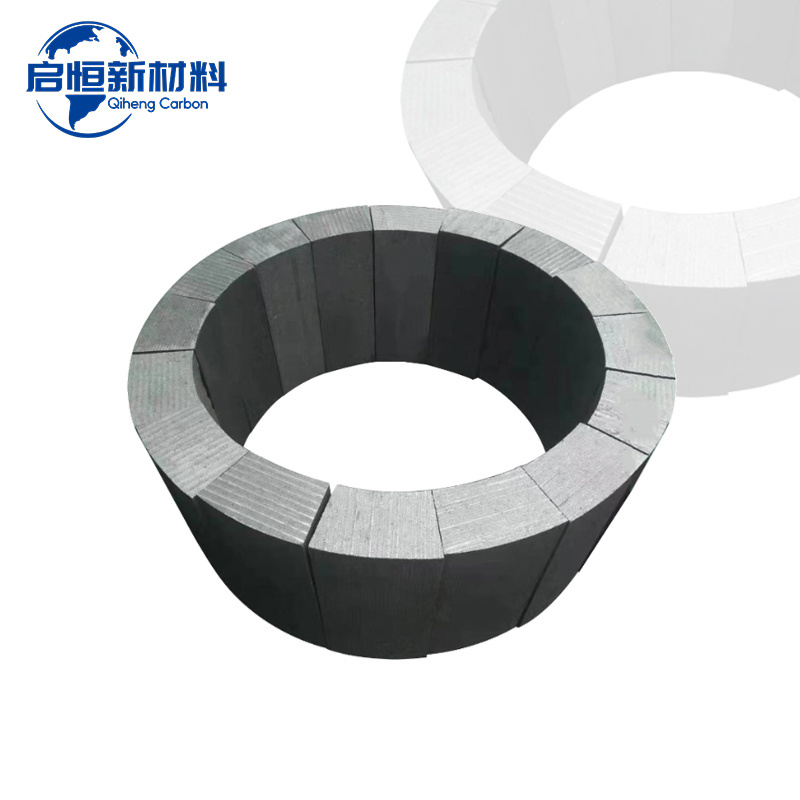
Carbon bricks, also known as carbonaceous bricks, are specialized building materials widely used in high-temperature applications due to their exceptional thermal and mechanical properties. These bricks are primarily composed of carbon-based materials, making them ideal for industries that require durable and resilient construction materials, particularly in metallurgy and the processing of non-metallic minerals.
One of the most significant advantages of carbon bricks is their ability to withstand extreme temperatures and corrosive environments. This makes them particularly useful in industries such as steel production, where high-temperature furnaces require materials that can endure substantial thermal shock and wear. By incorporating carbon bricks into furnace linings, companies can enhance the lifespan and performance of their equipment, leading to improved efficiency and reduced maintenance costs.
In addition to their thermal resistance, carbon bricks exhibit excellent electrical conductivity. This property is particularly beneficial in applications where electrical heating is employed, such as in electric arc furnaces. By utilizing carbon bricks, industries can achieve more uniform heat distribution, leading to better process control and energy management.
The versatility of carbon bricks extends beyond mere furnace applications. They are also utilized in the construction of reactors, incinerators, and other high-temperature industrial equipment. Their ability to retain structural integrity in hostile environments makes them a go-to material for various sectors, including petrochemicals and mineral processing.
When considering the use of carbon bricks, professionals must take into account several factors to ensure optimal performance. These include the specific thermal and mechanical requirements of the application, the compatibility of carbon bricks with other materials, and the potential impact on the overall process efficiency. Conducting a thorough analysis of these factors will help in selecting the right type of carbon brick for the job, maximizing both performance and longevity.
Furthermore, as the industry continues to evolve, the demand for innovative materials like carbon bricks is expected to grow. Companies should stay informed about advancements in carbon brick technology and materials science to leverage these developments for competitive advantage. Engaging in continuous research and development can lead to new applications and improved formulations that enhance the functionality of carbon bricks in various industrial contexts.
In summary, carbon bricks play a pivotal role in the metallurgy and non-metallic mineral sectors, offering exceptional durability, thermal resistance, and conductivity. By understanding their properties and applications, industry professionals can make informed decisions that enhance operational efficiency and contribute to overall project success.
One of the most significant advantages of carbon bricks is their ability to withstand extreme temperatures and corrosive environments. This makes them particularly useful in industries such as steel production, where high-temperature furnaces require materials that can endure substantial thermal shock and wear. By incorporating carbon bricks into furnace linings, companies can enhance the lifespan and performance of their equipment, leading to improved efficiency and reduced maintenance costs.
In addition to their thermal resistance, carbon bricks exhibit excellent electrical conductivity. This property is particularly beneficial in applications where electrical heating is employed, such as in electric arc furnaces. By utilizing carbon bricks, industries can achieve more uniform heat distribution, leading to better process control and energy management.
The versatility of carbon bricks extends beyond mere furnace applications. They are also utilized in the construction of reactors, incinerators, and other high-temperature industrial equipment. Their ability to retain structural integrity in hostile environments makes them a go-to material for various sectors, including petrochemicals and mineral processing.
When considering the use of carbon bricks, professionals must take into account several factors to ensure optimal performance. These include the specific thermal and mechanical requirements of the application, the compatibility of carbon bricks with other materials, and the potential impact on the overall process efficiency. Conducting a thorough analysis of these factors will help in selecting the right type of carbon brick for the job, maximizing both performance and longevity.
Furthermore, as the industry continues to evolve, the demand for innovative materials like carbon bricks is expected to grow. Companies should stay informed about advancements in carbon brick technology and materials science to leverage these developments for competitive advantage. Engaging in continuous research and development can lead to new applications and improved formulations that enhance the functionality of carbon bricks in various industrial contexts.
In summary, carbon bricks play a pivotal role in the metallurgy and non-metallic mineral sectors, offering exceptional durability, thermal resistance, and conductivity. By understanding their properties and applications, industry professionals can make informed decisions that enhance operational efficiency and contribute to overall project success.
Focus On Hot Spots
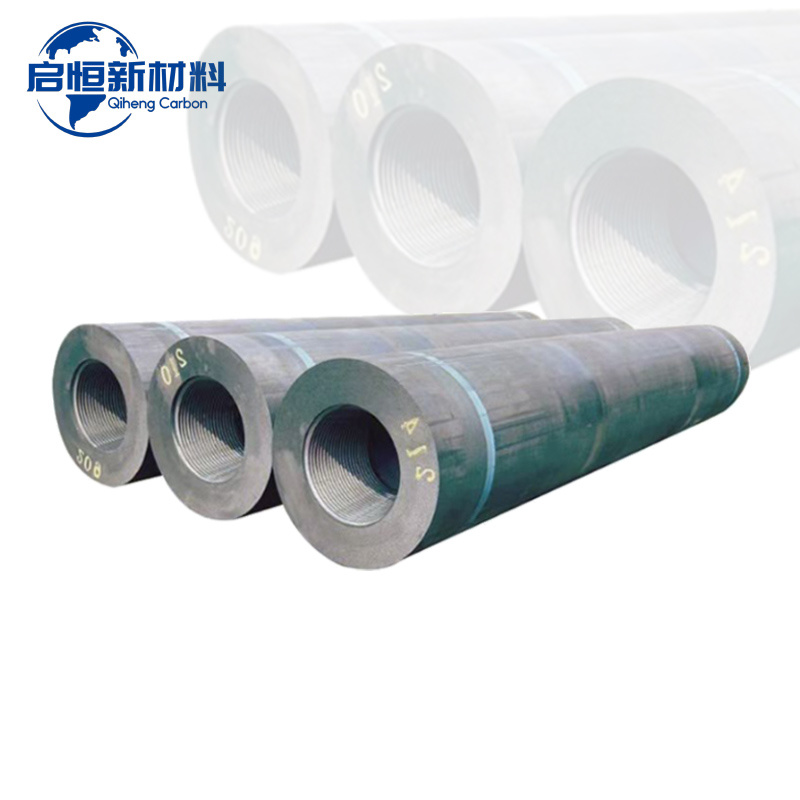
RP Graphite Electrodes: Transforming Conductivity in Metallurgical Processes
RP Graphite Electrodes: Enhancing Conductivity in Metallurgical Applications
Table of Contents
1. Introduction to RP Graphite Electrodes
2. Understanding Graphite and Its Properties
3. The Role of RP Graphite Electrodes in Metallurgy
4. Benefits of Using RP Graphite Electrodes
5. The Manufacturing Process of RP Graphite Electrodes
6. Applications of RP Graphite Electrodes
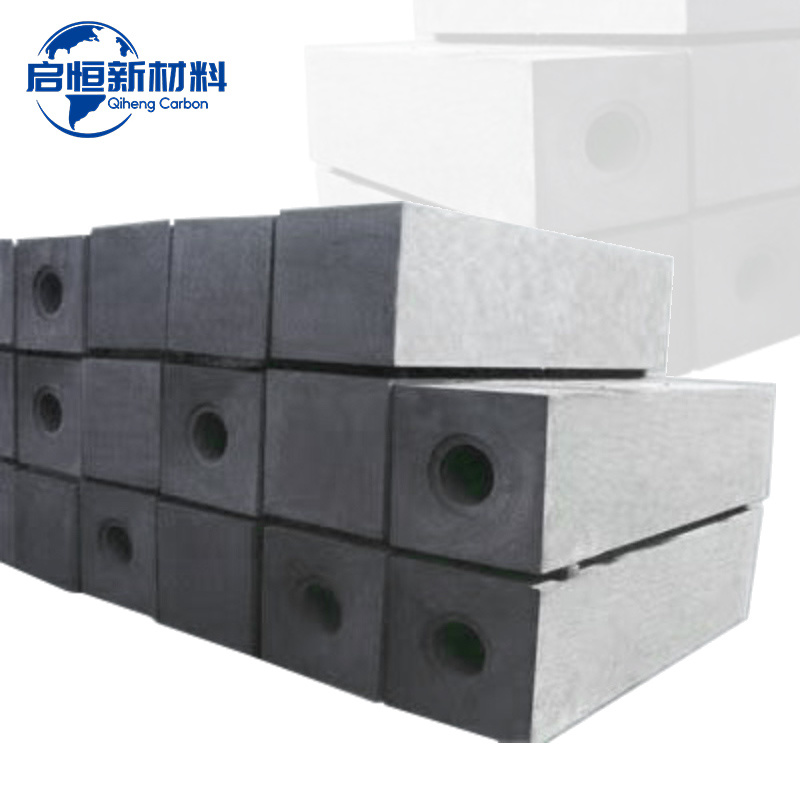
The Essential Guide to Graphite Blocks in Metallurgy and Energy Industries
Graphite blocks are pivotal materials in the metallurgy and energy industries, particularly within the non-metallic mineral products sector. These blocks, made from natural or synthetic graphite, possess unique properties that make them suitable for a wide range of applications. One of the most notable characteristics of graphite is its excellent thermal and electrical conductivity. This property
Quick Navigation
Contact Us
Mobile:
+8618031071182(Mr. Chang)
+8613703203188(Mr. Guo)
Address: West of Zholangbao Village, Shangcheng Town, Chengan County, Handan City, Hebei Province
Alibaba Store: