

Understanding Graphite Electrode Carbon Bricks: Essential Insights for the Metallurgical Industry
Feb 06,2025


Summary:
Graphite electrode carbon bricks play a crucial role in the metallurgical industry, particularly in processes that involve high-temperature applications. These bricks are primarily made from graphite, a form of carbon that exhibits exceptional thermal and electrical conductivity. The unique properties of graphite make it an ideal material for various industrial applications, including the producti
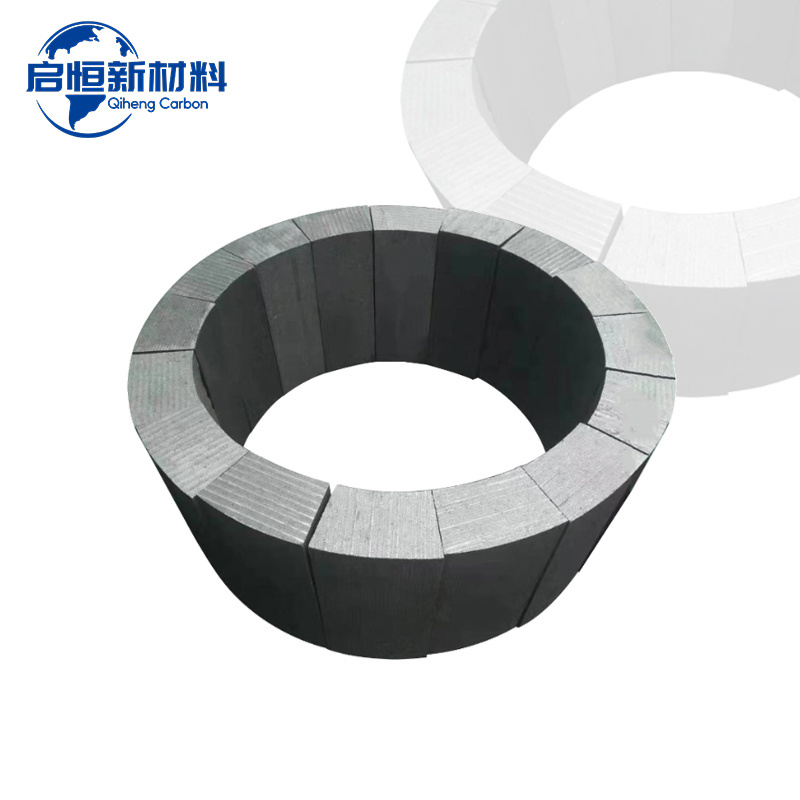
Graphite electrode carbon bricks play a crucial role in the metallurgical industry, particularly in processes that involve high-temperature applications. These bricks are primarily made from graphite, a form of carbon that exhibits exceptional thermal and electrical conductivity. The unique properties of graphite make it an ideal material for various industrial applications, including the production of steel and other metals.
One of the most significant advantages of graphite electrode carbon bricks is their ability to withstand extreme temperatures. In metallurgical operations, such as electric arc furnaces, these bricks are subjected to intense heat that can exceed 3,000 degrees Fahrenheit. The thermal stability of graphite ensures that these bricks maintain their structural integrity, enabling them to perform efficiently in high-temperature environments.
In addition to their thermal properties, graphite electrode carbon bricks are also known for their excellent electrical conductivity. This characteristic is essential in metallurgical applications, where efficient electric current flow is required for the smelting and refining of metals. The conductivity of graphite allows for better energy utilization, contributing to improved operational efficiency in electric furnaces.
The manufacturing process of graphite electrode carbon bricks involves the careful selection of raw materials, followed by processes such as milling, mixing, molding, and baking. The resulting bricks are then subjected to further treatments to enhance their properties, such as increasing their density and strength. This meticulous production process ensures that the final product meets the stringent demands of the metallurgical industry.
In terms of applications, graphite electrode carbon bricks are primarily utilized in electric arc furnaces for steel production. They are also employed in other high-temperature applications, such as in the casting and refining of non-ferrous metals. The versatility of these bricks allows them to be tailored for specific applications, ensuring optimal performance in various industrial settings.
Furthermore, the environmental impact of using graphite electrode carbon bricks is a topic of increasing importance in the metallurgy sector. As industries strive to minimize their carbon footprint, the use of these bricks can aid in achieving more sustainable production methods. Graphite is a naturally occurring material, and advancements in recycling technologies also allow for the reuse of graphite materials, further reducing waste in the metallurgical processes.
In conclusion, graphite electrode carbon bricks are an integral component of the metallurgical industry, offering unique properties that enhance production efficiency and sustainability. Their ability to withstand high temperatures and conduct electricity makes them indispensable in various applications, particularly in steel manufacturing. Understanding the significance of these materials can help industry professionals make informed decisions regarding their use in metallurgical processes.
One of the most significant advantages of graphite electrode carbon bricks is their ability to withstand extreme temperatures. In metallurgical operations, such as electric arc furnaces, these bricks are subjected to intense heat that can exceed 3,000 degrees Fahrenheit. The thermal stability of graphite ensures that these bricks maintain their structural integrity, enabling them to perform efficiently in high-temperature environments.
In addition to their thermal properties, graphite electrode carbon bricks are also known for their excellent electrical conductivity. This characteristic is essential in metallurgical applications, where efficient electric current flow is required for the smelting and refining of metals. The conductivity of graphite allows for better energy utilization, contributing to improved operational efficiency in electric furnaces.
The manufacturing process of graphite electrode carbon bricks involves the careful selection of raw materials, followed by processes such as milling, mixing, molding, and baking. The resulting bricks are then subjected to further treatments to enhance their properties, such as increasing their density and strength. This meticulous production process ensures that the final product meets the stringent demands of the metallurgical industry.
In terms of applications, graphite electrode carbon bricks are primarily utilized in electric arc furnaces for steel production. They are also employed in other high-temperature applications, such as in the casting and refining of non-ferrous metals. The versatility of these bricks allows them to be tailored for specific applications, ensuring optimal performance in various industrial settings.
Furthermore, the environmental impact of using graphite electrode carbon bricks is a topic of increasing importance in the metallurgy sector. As industries strive to minimize their carbon footprint, the use of these bricks can aid in achieving more sustainable production methods. Graphite is a naturally occurring material, and advancements in recycling technologies also allow for the reuse of graphite materials, further reducing waste in the metallurgical processes.
In conclusion, graphite electrode carbon bricks are an integral component of the metallurgical industry, offering unique properties that enhance production efficiency and sustainability. Their ability to withstand high temperatures and conduct electricity makes them indispensable in various applications, particularly in steel manufacturing. Understanding the significance of these materials can help industry professionals make informed decisions regarding their use in metallurgical processes.
Focus On Hot Spots
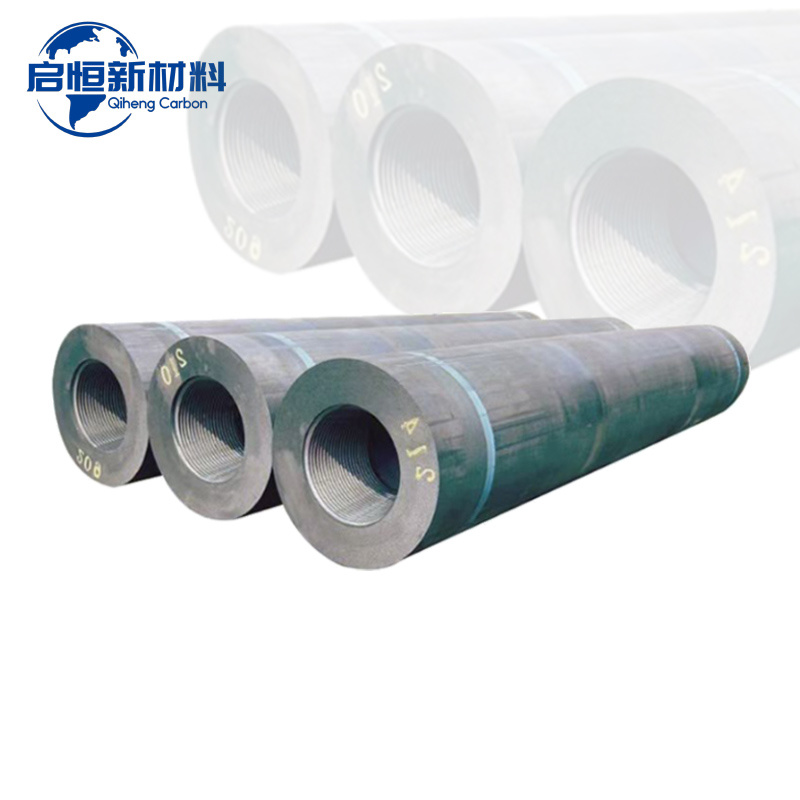
RP Graphite Electrodes: Transforming Conductivity in Metallurgical Processes
RP Graphite Electrodes: Enhancing Conductivity in Metallurgical Applications
Table of Contents
1. Introduction to RP Graphite Electrodes
2. Understanding Graphite and Its Properties
3. The Role of RP Graphite Electrodes in Metallurgy
4. Benefits of Using RP Graphite Electrodes
5. The Manufacturing Process of RP Graphite Electrodes
6. Applications of RP Graphite Electrodes
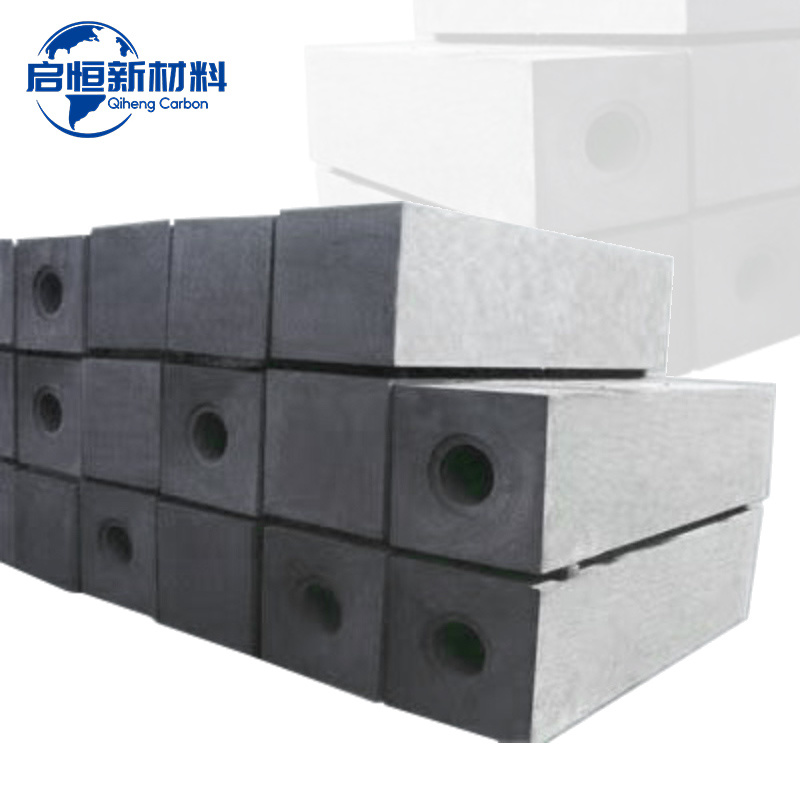
The Essential Guide to Graphite Blocks in Metallurgy and Energy Industries
Graphite blocks are pivotal materials in the metallurgy and energy industries, particularly within the non-metallic mineral products sector. These blocks, made from natural or synthetic graphite, possess unique properties that make them suitable for a wide range of applications. One of the most notable characteristics of graphite is its excellent thermal and electrical conductivity. This property
Quick Navigation
Contact Us
Mobile:
+8618031071182(Mr. Chang)
+8613703203188(Mr. Guo)
Address: West of Zholangbao Village, Shangcheng Town, Chengan County, Handan City, Hebei Province
Alibaba Store: