

How Carbon Graphite Electrodes Enhance Energy Efficiency in Metal Industries
Feb 05,2025


Summary:
How Carbon Graphite Electrodes Enhance Energy Efficiency in Metal Industries
Table of Contents
Understanding Carbon Graphite Electrodes
The Role of Electrodes in the Metal Industry
Energy Efficiency Challenges in Metal Manufacturing
How Carbon Graphite Electrodes Improve Energy Efficiency
Applications of Carbon Graphite Electrodes
Benefits Beyond Energy Efficiency
Sust
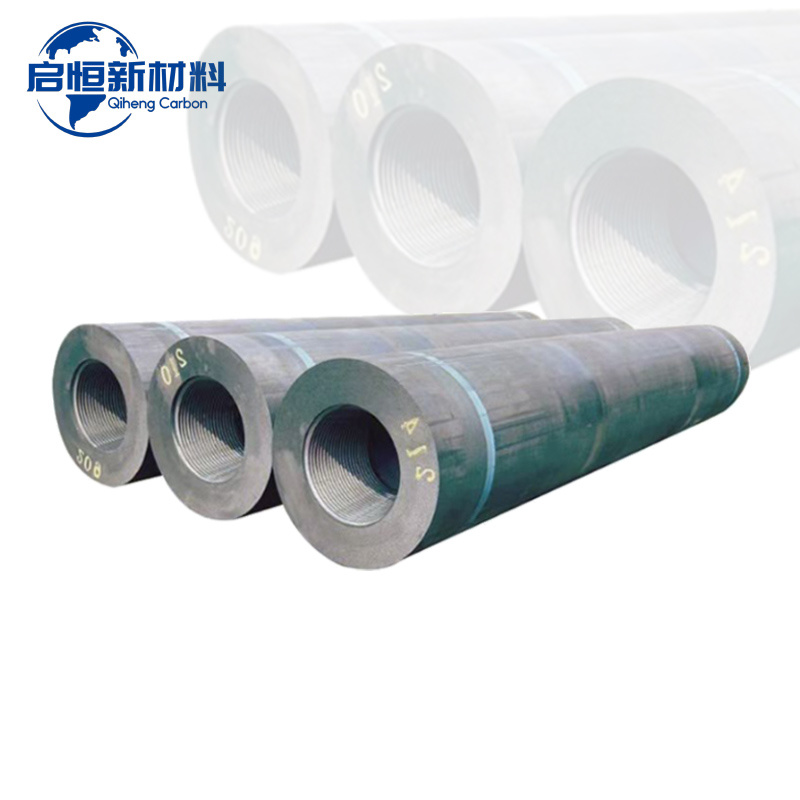
How Carbon Graphite Electrodes Enhance Energy Efficiency in Metal Industries
Table of Contents
- Understanding Carbon Graphite Electrodes
- The Role of Electrodes in the Metal Industry
- Energy Efficiency Challenges in Metal Manufacturing
- How Carbon Graphite Electrodes Improve Energy Efficiency
- Applications of Carbon Graphite Electrodes
- Benefits Beyond Energy Efficiency
- Sustainability and Environmental Impact
- Future Trends in Carbon Graphite Electrodes
- Frequently Asked Questions
Understanding Carbon Graphite Electrodes
Carbon graphite electrodes are crucial components in various metallurgical processes. Composed primarily of carbon and graphite, these electrodes are designed to withstand high temperatures and facilitate various chemical reactions. Their unique properties, including excellent electrical conductivity and thermal stability, make them indispensable in several industrial applications.
The production of carbon graphite electrodes involves the careful selection of raw materials, including petroleum coke and pitch, which undergo multiple processes such as calcination, mixing, molding, and baking. The result is a highly resilient product that plays a critical role in enhancing operational efficiency and performance in the metal industries.
The Role of Electrodes in the Metal Industry
In the realm of metal manufacturing, electrodes serve as conductors of electricity, facilitating processes such as electric arc furnaces (EAF) and other smelting operations. They help achieve the necessary temperatures required for melting metals and alloys. As the demand for metals continues to rise, so does the focus on optimizing energy consumption and reducing operational costs.
Electrodes are utilized in various applications, including steel making, non-ferrous metallurgy, and silicon production. Their design and operational efficiency can significantly impact the overall energy consumption of these processes, making them a focal point for improving productivity and sustainability.
Energy Efficiency Challenges in Metal Manufacturing
The metal industry faces numerous challenges when it comes to energy efficiency. High energy requirements for melting and refining metals, fluctuating energy prices, and environmental regulations all contribute to the pressing need for improved methods of energy consumption.
The inefficiency in traditional processes often leads to excessive energy expenditure and increased carbon emissions. As manufacturers strive to remain competitive, they seek innovative solutions to address these challenges and achieve better energy management, driving the need for more efficient electrode technology.
How Carbon Graphite Electrodes Improve Energy Efficiency
Carbon graphite electrodes enhance energy efficiency through several mechanisms, significantly affecting both operational costs and environmental footprints.
**1. High Conductivity:** Carbon graphite electrodes possess exceptional electrical conductivity. This property allows for reduced electrical resistance during metallurgical processes, resulting in lower energy consumption and improved heat generation efficiency.
**2. Temperature Resistance:** Withstanding extreme temperatures, these electrodes minimize wear and tear, enabling longer operational lifespans. Increased longevity reduces the frequency of replacements, ultimately translating to lowered energy costs associated with manufacturing, shipping, and installation.
**3. Improved Melting Rates:** The efficient heat generation capabilities of carbon graphite electrodes lead to quicker melting rates for metals. Faster melting means reduced energy consumption and increased productivity, allowing manufacturers to meet rising demand without compromising profitability.
**4. Enhanced Performance in Electric Arc Furnaces:** Electric arc furnaces, which rely heavily on efficient electrode performance, benefit significantly from the use of carbon graphite electrodes. The consistent arc stability and lower energy input required for effective operations lead to substantial energy savings.
Applications of Carbon Graphite Electrodes
Carbon graphite electrodes are widely utilized in various sectors of the metal industry, showcasing their versatility and effectiveness.
**1. Electric Arc Furnaces (EAF):** EAFs are among the primary applications for carbon graphite electrodes. They are instrumental in melting scrap steel and other metallurgical processes that require high-energy input and temperature control.
**2. Steel Production:** The steel industry heavily relies on carbon graphite electrodes for the production of high-quality steel. Their efficiency in melting and refining processes is critical for achieving desired material properties.
**3. Non-Ferrous Metallurgy:** In non-ferrous applications, such as aluminum and copper production, carbon graphite electrodes facilitate efficient metal extraction and processing, maximizing yield while minimizing energy input.
**4. Silicon Production:** The production of silicon, crucial for electronics and solar panels, also utilizes carbon graphite electrodes to achieve the high temperatures necessary for refining silicon.
Benefits Beyond Energy Efficiency
While enhancing energy efficiency is a significant advantage, carbon graphite electrodes offer a range of additional benefits that contribute to improved operational outcomes.
**1. Cost-Effectiveness:** The extended lifespan and reduced maintenance costs associated with carbon graphite electrodes lead to overall cost savings for manufacturers. Less frequent replacements and lower energy consumption directly impact the bottom line.
**2. Improved Product Quality:** The consistent performance of carbon graphite electrodes enables better control over metallurgical processes, resulting in higher-quality end products. This improvement boosts customer satisfaction and competitive positioning in the market.
**3. Reduced Carbon Footprint:** By optimizing energy consumption and enhancing melting efficiency, the use of carbon graphite electrodes contributes to lowering greenhouse gas emissions. This aspect is increasingly important in an era of heightened environmental awareness and regulatory scrutiny.
Sustainability and Environmental Impact
Sustainability is a growing concern in the metal industry, and carbon graphite electrodes contribute positively to this initiative.
**1. Recycling Potential:** The materials used in carbon graphite electrodes can often be recycled, reducing waste and promoting a circular economy. This aspect aligns with global efforts to minimize landfill impact and promote sustainable practices.
**2. Reduced Energy Consumption:** As previously discussed, the use of carbon graphite electrodes leads to reduced energy consumption in metallurgical processes. This reduction not only cuts costs but also decreases reliance on fossil fuels, contributing to a greener industry.
**3. Compliance with Environmental Regulations:** As governments implement stricter environmental regulations, adopting carbon graphite electrodes can help companies comply with these standards, mitigating the risk of fines and enhancing corporate responsibility.
Future Trends in Carbon Graphite Electrodes
As technology evolves, the future of carbon graphite electrodes looks promising.
**1. Technological Advancements:** Innovations in electrode manufacturing techniques and materials are expected to improve performance characteristics further. Research into alternative materials and composites may yield even more efficient products.
**2. Smart Manufacturing Integration:** The integration of smart technologies in manufacturing processes can optimize the use of carbon graphite electrodes, enhancing monitoring, control, and maintenance, ultimately leading to better energy management.
**3. Increased Demand for Sustainable Solutions:** As businesses prioritize sustainability, the demand for carbon graphite electrodes is likely to rise, particularly among environmentally-conscious manufacturers looking to enhance energy efficiency while minimizing their ecological footprint.
Frequently Asked Questions
**1. What are carbon graphite electrodes made from?**
Carbon graphite electrodes are primarily composed of petroleum coke and pitch, which undergo processes such as calcination and baking to create the final product.
**2. How do carbon graphite electrodes improve energy efficiency?**
They enhance energy efficiency through high conductivity, temperature resistance, improved melting rates, and better performance in electric arc furnaces.
**3. What industries use carbon graphite electrodes?**
They are widely used in steel production, non-ferrous metallurgy, electric arc furnaces, and silicon production.
**4. What are the environmental benefits of carbon graphite electrodes?**
They contribute to reduced energy consumption, lower greenhouse gas emissions, and promote recycling, aligning with sustainability goals.
**5. Are carbon graphite electrodes cost-effective?**
Yes, their extended lifespan and reduced energy consumption lead to significant cost savings for manufacturers.
Conclusion
Carbon graphite electrodes play an integral role in enhancing energy efficiency within the metal industry. Their unique properties and applications not only contribute to cost savings and improved operational performance but also support sustainability efforts by reducing energy consumption and environmental footprints. As manufacturers continue to face challenges in meeting both economic and environmental demands, the adoption of carbon graphite electrodes will remain vital for achieving competitive advantage and ensuring a sustainable future in the metal industry. By embracing these innovative solutions, companies can position themselves at the forefront of energy-efficient practices while maintaining a commitment to environmental responsibility.
Previous:
Focus On Hot Spots
RP Graphite Electrodes: Transforming Conductivity in Metallurgical Processes
RP Graphite Electrodes: Enhancing Conductivity in Metallurgical Applications
Table of Contents
1. Introduction to RP Graphite Electrodes
2. Understanding Graphite and Its Properties
3. The Role of RP Graphite Electrodes in Metallurgy
4. Benefits of Using RP Graphite Electrodes
5. The Manufacturing Process of RP Graphite Electrodes
6. Applications of RP Graphite Electrodes
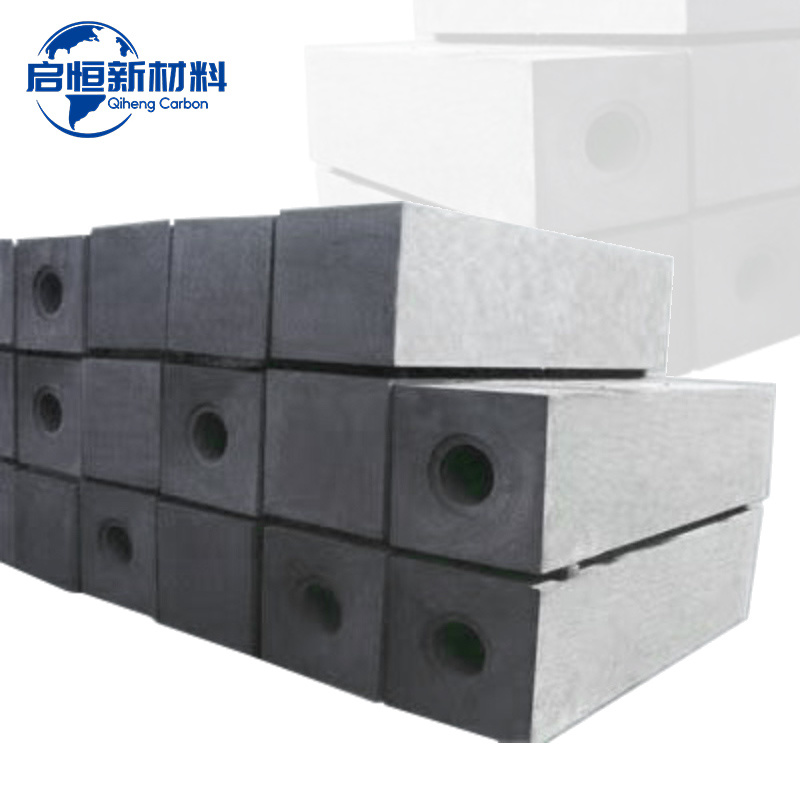
The Essential Guide to Graphite Blocks in Metallurgy and Energy Industries
Graphite blocks are pivotal materials in the metallurgy and energy industries, particularly within the non-metallic mineral products sector. These blocks, made from natural or synthetic graphite, possess unique properties that make them suitable for a wide range of applications. One of the most notable characteristics of graphite is its excellent thermal and electrical conductivity. This property
Quick Navigation
Contact Us
Mobile:
+8618031071182(Mr. Chang)
+8613703203188(Mr. Guo)
Address: West of Zholangbao Village, Shangcheng Town, Chengan County, Handan City, Hebei Province
Alibaba Store: