

The Essential Role of Graphite Electrodes in Steel Making
Feb 04,2025


Summary:
Graphite electrodes are an integral component in the steel-making process, particularly in electric arc furnaces (EAF). These electrodes serve as conduits for electrical energy, facilitating the melting of scrap steel or direct reduced iron. The choice of graphite as a material for these electrodes is primarily due to its excellent conductivity, thermal stability, and resistance to oxidation, maki
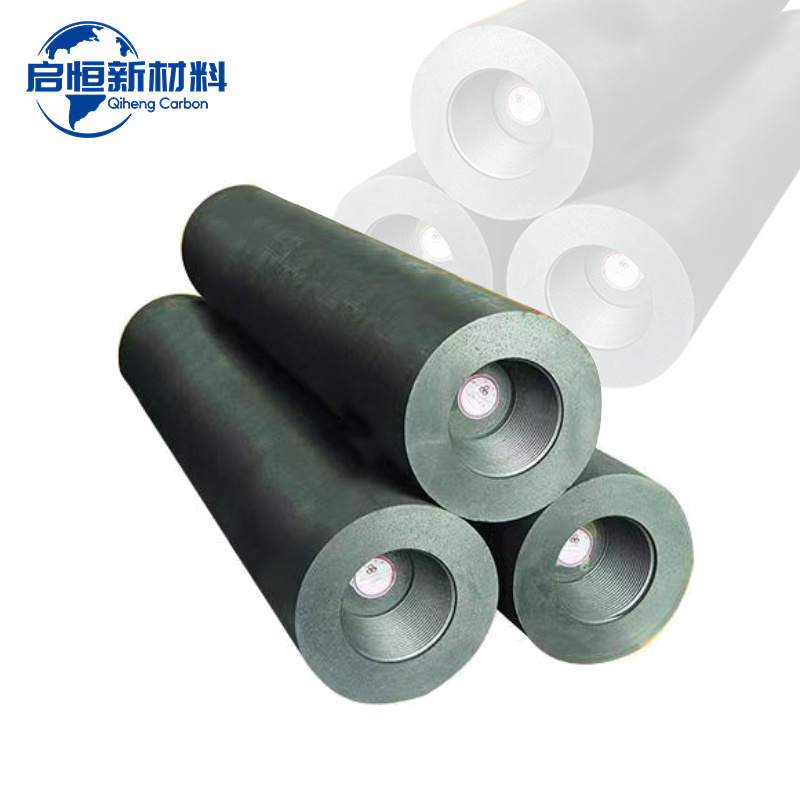
Graphite electrodes are an integral component in the steel-making process, particularly in electric arc furnaces (EAF). These electrodes serve as conduits for electrical energy, facilitating the melting of scrap steel or direct reduced iron. The choice of graphite as a material for these electrodes is primarily due to its excellent conductivity, thermal stability, and resistance to oxidation, making it ideal for high-temperature applications.
One of the most significant advantages of using graphite electrodes in steel making is their ability to withstand the intense heat generated during the melting process. The temperature within an electric arc furnace can exceed 3000 degrees Celsius, and graphite electrodes can maintain their structural integrity under such extreme conditions. This thermal resilience not only ensures efficiency in the melting process but also minimizes the risk of electrode breakage, which can lead to production downtime.
Moreover, graphite electrodes contribute significantly to the energy efficiency of electric arc furnaces. Their high electrical conductivity allows for reduced energy consumption during the melting process. By providing a lower resistance path for electrical current, these electrodes enable more efficient energy transfer, which can help steel manufacturers lower operational costs and enhance profitability.
In addition to their performance characteristics, graphite electrodes are also essential in controlling the quality of the final steel product. The purity of the graphite used in the electrodes directly influences the chemical composition of the molten steel. High-quality electrodes minimize impurities, leading to a cleaner, more refined steel output. This quality control is particularly important in industries that demand strict adherence to material specifications, such as automotive and construction.
Another factor to consider is the sustainability aspect of graphite electrode usage. As the steel industry increasingly focuses on reducing its carbon footprint, the use of electric arc furnaces—powered by graphite electrodes—offers a more environmentally friendly alternative compared to traditional blast furnaces. This shift not only reduces greenhouse gas emissions but also supports recycling efforts by enabling the melting of scrap metal.
However, it’s important to note that the global supply chain for graphite electrodes can be affected by various factors, including geopolitical issues and raw material availability. Steel manufacturers need to stay informed about market trends and potential supply disruptions to ensure their operations remain uninterrupted.
In conclusion, graphite electrodes play a vital role in modern steel making by enhancing efficiency, ensuring product quality, and supporting sustainability initiatives. As the industry evolves, the importance of these components is only likely to grow, making them a focal point for manufacturers looking to optimize their production processes and meet increasing market demands.
One of the most significant advantages of using graphite electrodes in steel making is their ability to withstand the intense heat generated during the melting process. The temperature within an electric arc furnace can exceed 3000 degrees Celsius, and graphite electrodes can maintain their structural integrity under such extreme conditions. This thermal resilience not only ensures efficiency in the melting process but also minimizes the risk of electrode breakage, which can lead to production downtime.
Moreover, graphite electrodes contribute significantly to the energy efficiency of electric arc furnaces. Their high electrical conductivity allows for reduced energy consumption during the melting process. By providing a lower resistance path for electrical current, these electrodes enable more efficient energy transfer, which can help steel manufacturers lower operational costs and enhance profitability.
In addition to their performance characteristics, graphite electrodes are also essential in controlling the quality of the final steel product. The purity of the graphite used in the electrodes directly influences the chemical composition of the molten steel. High-quality electrodes minimize impurities, leading to a cleaner, more refined steel output. This quality control is particularly important in industries that demand strict adherence to material specifications, such as automotive and construction.
Another factor to consider is the sustainability aspect of graphite electrode usage. As the steel industry increasingly focuses on reducing its carbon footprint, the use of electric arc furnaces—powered by graphite electrodes—offers a more environmentally friendly alternative compared to traditional blast furnaces. This shift not only reduces greenhouse gas emissions but also supports recycling efforts by enabling the melting of scrap metal.
However, it’s important to note that the global supply chain for graphite electrodes can be affected by various factors, including geopolitical issues and raw material availability. Steel manufacturers need to stay informed about market trends and potential supply disruptions to ensure their operations remain uninterrupted.
In conclusion, graphite electrodes play a vital role in modern steel making by enhancing efficiency, ensuring product quality, and supporting sustainability initiatives. As the industry evolves, the importance of these components is only likely to grow, making them a focal point for manufacturers looking to optimize their production processes and meet increasing market demands.
Focus On Hot Spots
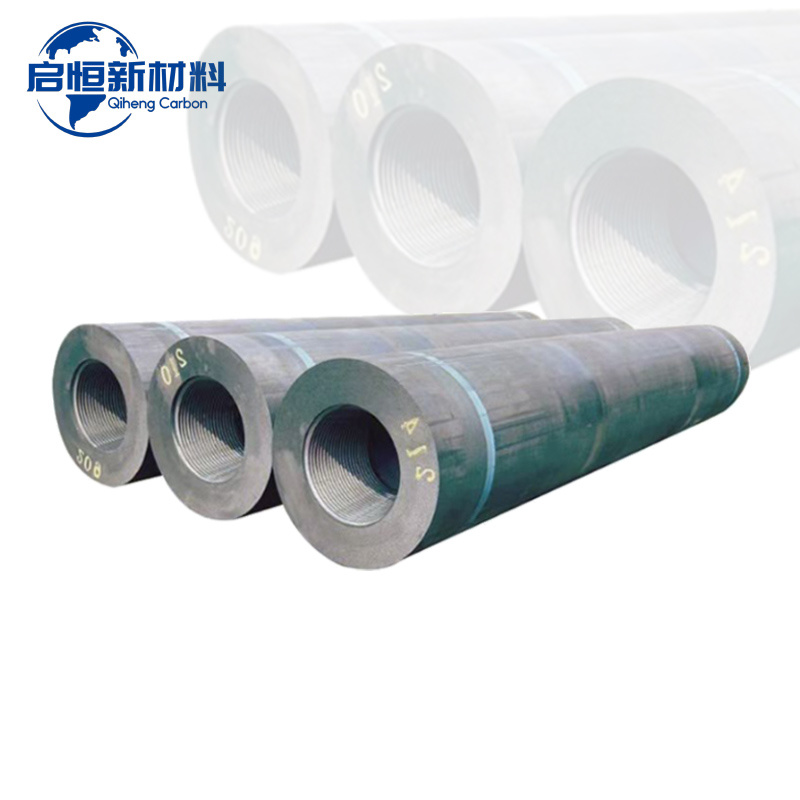
RP Graphite Electrodes: Transforming Conductivity in Metallurgical Processes
RP Graphite Electrodes: Enhancing Conductivity in Metallurgical Applications
Table of Contents
1. Introduction to RP Graphite Electrodes
2. Understanding Graphite and Its Properties
3. The Role of RP Graphite Electrodes in Metallurgy
4. Benefits of Using RP Graphite Electrodes
5. The Manufacturing Process of RP Graphite Electrodes
6. Applications of RP Graphite Electrodes
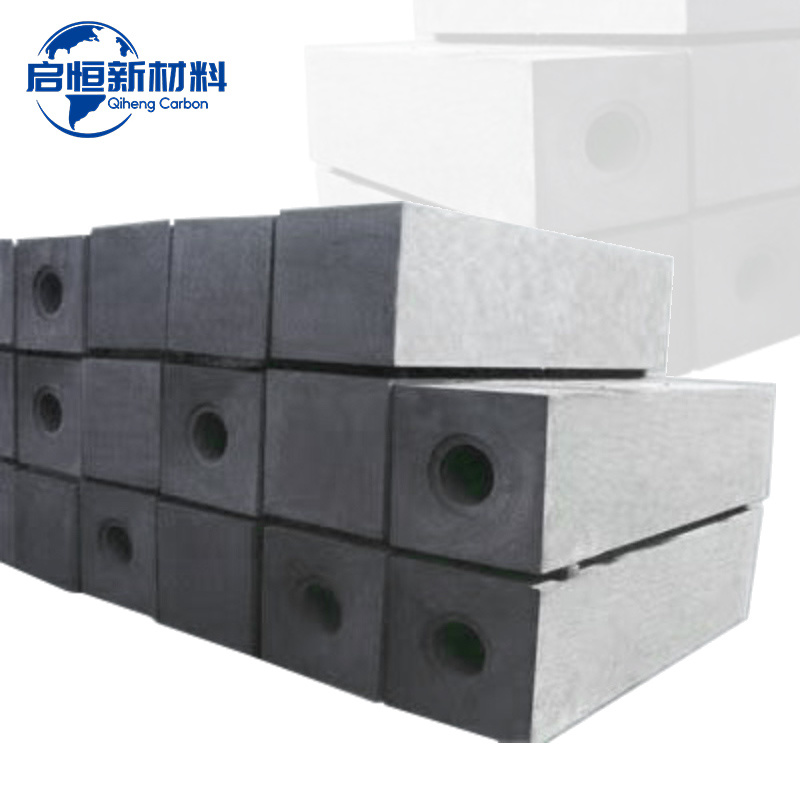
The Essential Guide to Graphite Blocks in Metallurgy and Energy Industries
Graphite blocks are pivotal materials in the metallurgy and energy industries, particularly within the non-metallic mineral products sector. These blocks, made from natural or synthetic graphite, possess unique properties that make them suitable for a wide range of applications. One of the most notable characteristics of graphite is its excellent thermal and electrical conductivity. This property
Quick Navigation
Contact Us
Mobile:
+8618031071182(Mr. Chang)
+8613703203188(Mr. Guo)
Address: West of Zholangbao Village, Shangcheng Town, Chengan County, Handan City, Hebei Province
Alibaba Store: