

Understanding Carbon Bricks: Applications and Benefits in Non-Metallic Mineral Products
Jan 27,2025


Summary:
Carbon bricks are essential components in various industries, particularly within the metallurgical and energy sectors. Made primarily from high-quality carbon materials, these bricks are specifically designed to withstand extreme thermal and chemical conditions, making them indispensable for a wide range of applications. Understanding the properties and benefits of carbon bricks can enhance their
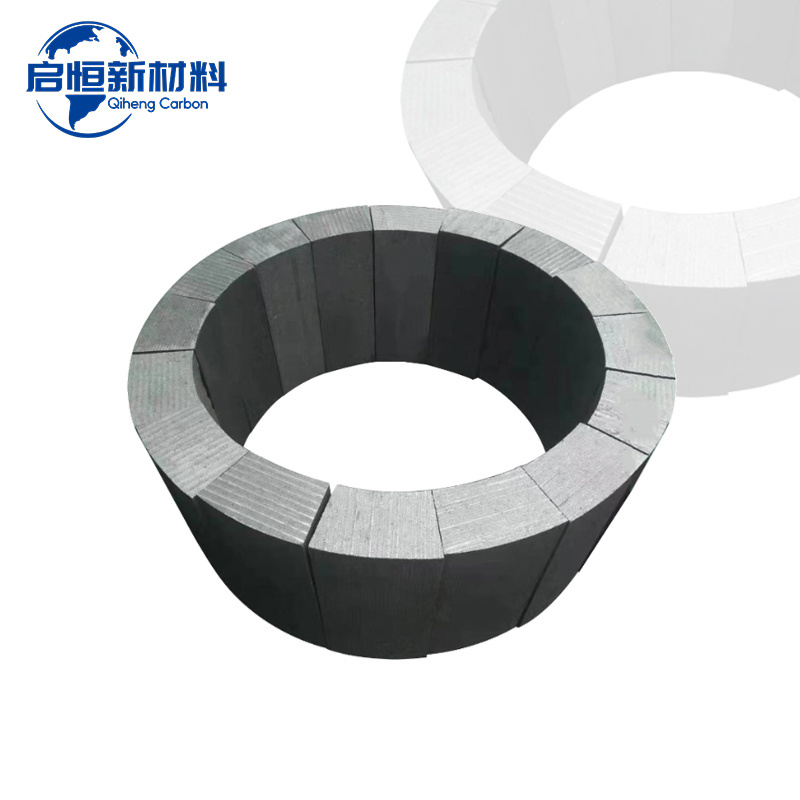
Carbon bricks are essential components in various industries, particularly within the metallurgical and energy sectors. Made primarily from high-quality carbon materials, these bricks are specifically designed to withstand extreme thermal and chemical conditions, making them indispensable for a wide range of applications. Understanding the properties and benefits of carbon bricks can enhance their effective use in industrial processes.
One of the primary applications of carbon bricks is in the construction of furnaces and kilns. Their remarkable thermal conductivity and resistance to thermal shock allow them to be utilized in high-temperature environments, such as those encountered in steelmaking and other metallurgical processes. The ability of carbon bricks to withstand these conditions contributes significantly to the efficiency of operations, reducing energy consumption and improving overall production outcomes.
In addition to their thermal properties, carbon bricks are also known for their excellent chemical resistance. They can endure exposure to various corrosive substances, making them suitable for use in environments where chemical reactions occur. This characteristic is particularly beneficial in industries dealing with aggressive materials, as it helps to extend the lifespan of furnaces and kilns, resulting in lower maintenance costs and less frequent replacements.
Another notable benefit of carbon bricks is their structural integrity. The density and strength of these bricks provide exceptional support in high-stress applications. This durability ensures that the integrity of industrial equipment is maintained over time, further enhancing operational reliability. Moreover, the lightweight nature of carbon bricks facilitates easier handling and installation, reducing labor costs and increasing efficiency during setup.
Carbon bricks also play a pivotal role in energy efficiency. By minimizing heat loss in furnaces, they contribute to lower energy consumption. As industries continue to face pressures to reduce their carbon footprint, the use of energy-efficient materials like carbon bricks aligns with sustainability goals. In this context, businesses can not only improve their operational efficiency but also enhance their environmental responsibility.
Furthermore, the versatility of carbon bricks allows for customization based on specific industrial needs. Different formulations and densities can be engineered to meet the precise requirements of various applications. This adaptability ensures that companies can optimize their processes while utilizing materials that align with their operational goals.
In summary, carbon bricks are a vital component in the metallurgical and energy sectors, offering numerous advantages such as thermal and chemical resistance, structural integrity, and energy efficiency. Understanding the diverse applications and benefits of carbon bricks can empower industries to make informed decisions that enhance their operations while promoting sustainability.
One of the primary applications of carbon bricks is in the construction of furnaces and kilns. Their remarkable thermal conductivity and resistance to thermal shock allow them to be utilized in high-temperature environments, such as those encountered in steelmaking and other metallurgical processes. The ability of carbon bricks to withstand these conditions contributes significantly to the efficiency of operations, reducing energy consumption and improving overall production outcomes.
In addition to their thermal properties, carbon bricks are also known for their excellent chemical resistance. They can endure exposure to various corrosive substances, making them suitable for use in environments where chemical reactions occur. This characteristic is particularly beneficial in industries dealing with aggressive materials, as it helps to extend the lifespan of furnaces and kilns, resulting in lower maintenance costs and less frequent replacements.
Another notable benefit of carbon bricks is their structural integrity. The density and strength of these bricks provide exceptional support in high-stress applications. This durability ensures that the integrity of industrial equipment is maintained over time, further enhancing operational reliability. Moreover, the lightweight nature of carbon bricks facilitates easier handling and installation, reducing labor costs and increasing efficiency during setup.
Carbon bricks also play a pivotal role in energy efficiency. By minimizing heat loss in furnaces, they contribute to lower energy consumption. As industries continue to face pressures to reduce their carbon footprint, the use of energy-efficient materials like carbon bricks aligns with sustainability goals. In this context, businesses can not only improve their operational efficiency but also enhance their environmental responsibility.
Furthermore, the versatility of carbon bricks allows for customization based on specific industrial needs. Different formulations and densities can be engineered to meet the precise requirements of various applications. This adaptability ensures that companies can optimize their processes while utilizing materials that align with their operational goals.
In summary, carbon bricks are a vital component in the metallurgical and energy sectors, offering numerous advantages such as thermal and chemical resistance, structural integrity, and energy efficiency. Understanding the diverse applications and benefits of carbon bricks can empower industries to make informed decisions that enhance their operations while promoting sustainability.
Focus On Hot Spots
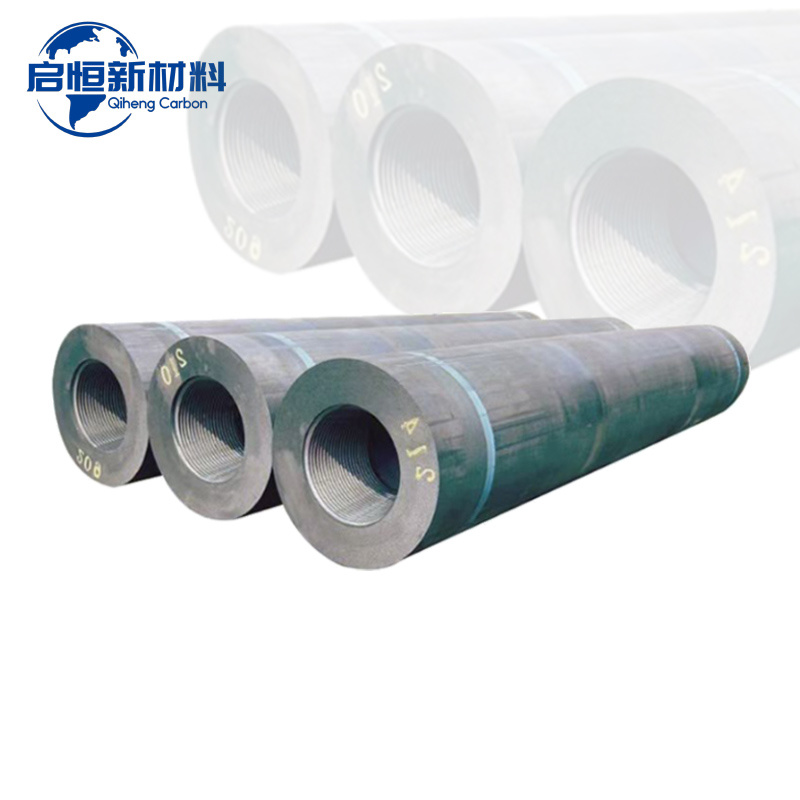
RP Graphite Electrodes: Transforming Conductivity in Metallurgical Processes
RP Graphite Electrodes: Enhancing Conductivity in Metallurgical Applications
Table of Contents
1. Introduction to RP Graphite Electrodes
2. Understanding Graphite and Its Properties
3. The Role of RP Graphite Electrodes in Metallurgy
4. Benefits of Using RP Graphite Electrodes
5. The Manufacturing Process of RP Graphite Electrodes
6. Applications of RP Graphite Electrodes
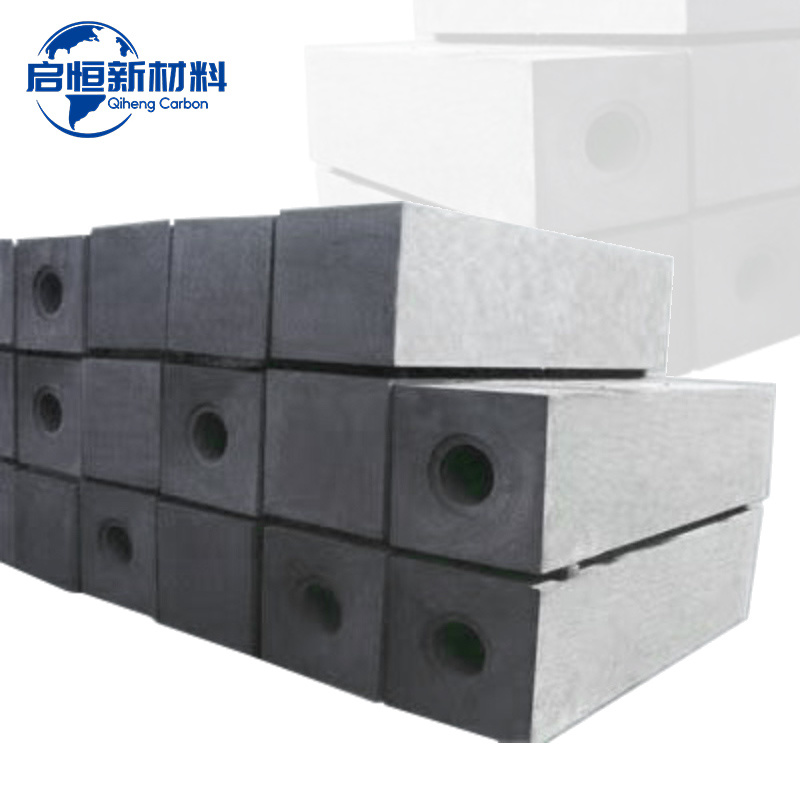
The Essential Guide to Graphite Blocks in Metallurgy and Energy Industries
Graphite blocks are pivotal materials in the metallurgy and energy industries, particularly within the non-metallic mineral products sector. These blocks, made from natural or synthetic graphite, possess unique properties that make them suitable for a wide range of applications. One of the most notable characteristics of graphite is its excellent thermal and electrical conductivity. This property
Quick Navigation
Contact Us
Mobile:
+8618031071182(Mr. Chang)
+8613703203188(Mr. Guo)
Address: West of Zholangbao Village, Shangcheng Town, Chengan County, Handan City, Hebei Province
Alibaba Store: