

Understanding Graphite Electrode Carbon Brick: Applications and Benefits in Metallurgy
Jan 21,2025


Summary:
Graphite electrode carbon bricks are specialized materials extensively utilized in various metallurgical processes, especially in electric arc furnaces (EAF). These bricks, composed of high-purity graphite, are engineered to withstand extreme temperatures and corrosive environments, making them crucial for efficient and sustainable operations in the metallurgical sector.
One of the primary applica
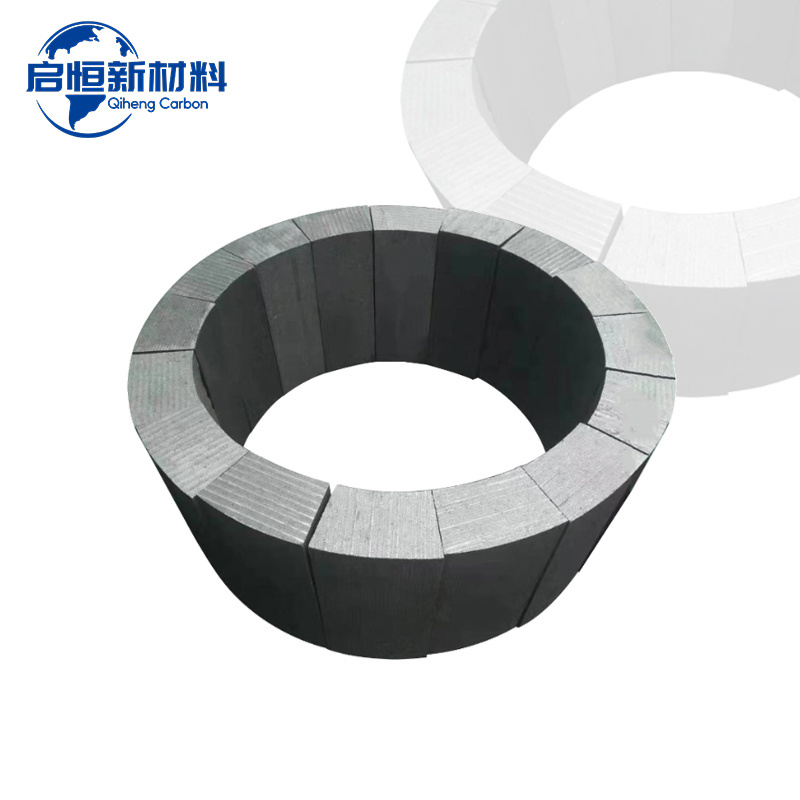
Graphite electrode carbon bricks are specialized materials extensively utilized in various metallurgical processes, especially in electric arc furnaces (EAF). These bricks, composed of high-purity graphite, are engineered to withstand extreme temperatures and corrosive environments, making them crucial for efficient and sustainable operations in the metallurgical sector.
One of the primary applications of graphite electrode carbon bricks is in the construction of EAFs, where they serve as the lining material. Their high thermal conductivity and electrical resistivity are vital for facilitating effective energy transfer during metal melting processes. The superior performance of these bricks helps optimize energy consumption, reducing operational costs and enhancing the overall efficiency of the furnaces.
Additionally, graphite electrode carbon bricks exhibit remarkable resistance to thermal shock and oxidation, which is essential for maintaining the structural integrity of the furnace lining. This durability minimizes downtime for repairs and replacements, contributing to improved productivity. Furthermore, their low porosity and high density ensure that molten metal does not penetrate the bricks, which protects the furnace structure and extends the lifespan of the equipment.
In the context of sustainability, the use of graphite electrode carbon bricks aligns with the industry's efforts to minimize environmental impact. The materials are often sourced from recycled graphite, promoting a circular economy and reducing reliance on virgin materials. This eco-friendly aspect, combined with their efficiency, makes them an attractive choice for metallurgical applications.
The manufacturing process of these carbon bricks involves meticulous control over the raw materials and the conditions under which they are produced. High-quality graphite is blended with specific additives to enhance properties such as thermal conductivity, mechanical strength, and corrosion resistance. The resulting bricks undergo rigorous testing to ensure they meet industry standards and performance expectations.
In conclusion, graphite electrode carbon bricks are indispensable in the metallurgical industry, particularly for electric arc furnaces. Their unique properties, including high thermal conductivity and resistance to thermal shock, ensure efficient metal melting processes while minimizing downtime and environmental impact. As the metallurgical sector continues to advance, the demand for these specialized materials is expected to grow, driving innovation and contributing to more sustainable practices. Understanding their applications and benefits can empower industry professionals to make informed decisions regarding their operational strategies.
One of the primary applications of graphite electrode carbon bricks is in the construction of EAFs, where they serve as the lining material. Their high thermal conductivity and electrical resistivity are vital for facilitating effective energy transfer during metal melting processes. The superior performance of these bricks helps optimize energy consumption, reducing operational costs and enhancing the overall efficiency of the furnaces.
Additionally, graphite electrode carbon bricks exhibit remarkable resistance to thermal shock and oxidation, which is essential for maintaining the structural integrity of the furnace lining. This durability minimizes downtime for repairs and replacements, contributing to improved productivity. Furthermore, their low porosity and high density ensure that molten metal does not penetrate the bricks, which protects the furnace structure and extends the lifespan of the equipment.
In the context of sustainability, the use of graphite electrode carbon bricks aligns with the industry's efforts to minimize environmental impact. The materials are often sourced from recycled graphite, promoting a circular economy and reducing reliance on virgin materials. This eco-friendly aspect, combined with their efficiency, makes them an attractive choice for metallurgical applications.
The manufacturing process of these carbon bricks involves meticulous control over the raw materials and the conditions under which they are produced. High-quality graphite is blended with specific additives to enhance properties such as thermal conductivity, mechanical strength, and corrosion resistance. The resulting bricks undergo rigorous testing to ensure they meet industry standards and performance expectations.
In conclusion, graphite electrode carbon bricks are indispensable in the metallurgical industry, particularly for electric arc furnaces. Their unique properties, including high thermal conductivity and resistance to thermal shock, ensure efficient metal melting processes while minimizing downtime and environmental impact. As the metallurgical sector continues to advance, the demand for these specialized materials is expected to grow, driving innovation and contributing to more sustainable practices. Understanding their applications and benefits can empower industry professionals to make informed decisions regarding their operational strategies.
Focus On Hot Spots
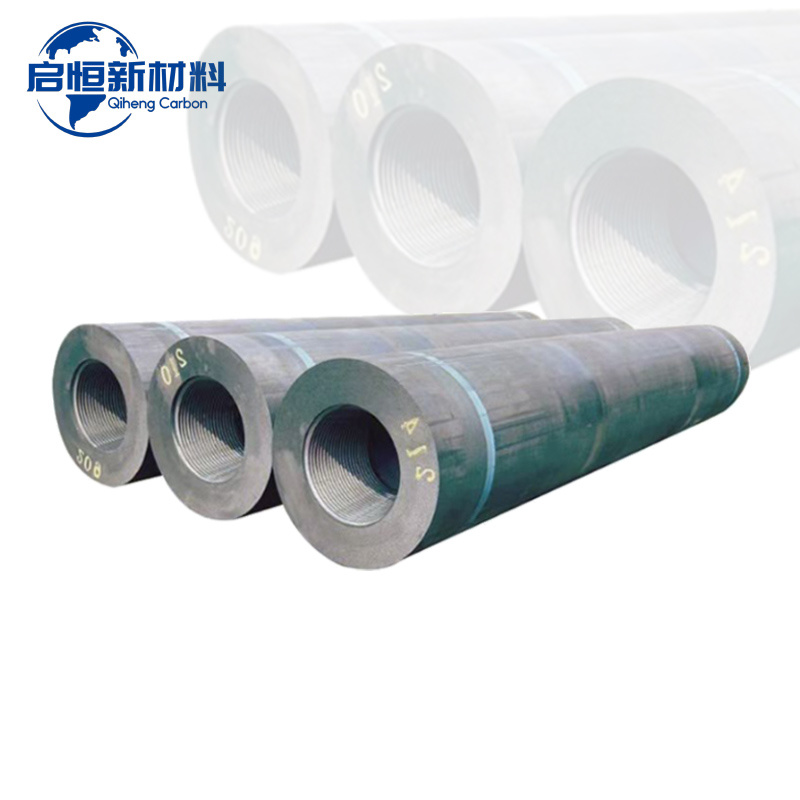
RP Graphite Electrodes: Transforming Conductivity in Metallurgical Processes
RP Graphite Electrodes: Enhancing Conductivity in Metallurgical Applications
Table of Contents
1. Introduction to RP Graphite Electrodes
2. Understanding Graphite and Its Properties
3. The Role of RP Graphite Electrodes in Metallurgy
4. Benefits of Using RP Graphite Electrodes
5. The Manufacturing Process of RP Graphite Electrodes
6. Applications of RP Graphite Electrodes
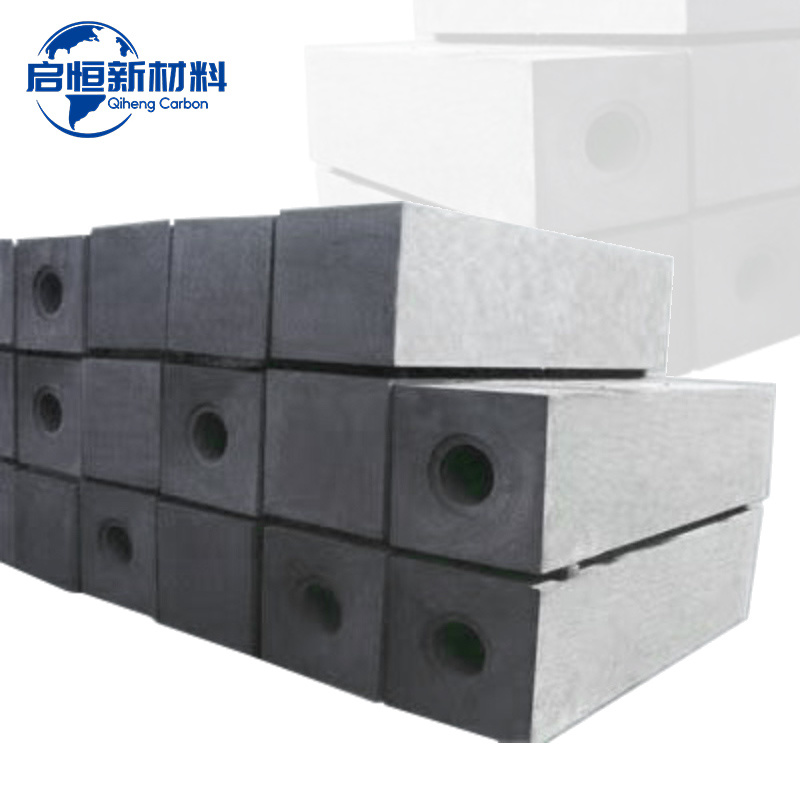
The Essential Guide to Graphite Blocks in Metallurgy and Energy Industries
Graphite blocks are pivotal materials in the metallurgy and energy industries, particularly within the non-metallic mineral products sector. These blocks, made from natural or synthetic graphite, possess unique properties that make them suitable for a wide range of applications. One of the most notable characteristics of graphite is its excellent thermal and electrical conductivity. This property
Quick Navigation
Contact Us
Mobile:
+8618031071182(Mr. Chang)
+8613703203188(Mr. Guo)
Address: West of Zholangbao Village, Shangcheng Town, Chengan County, Handan City, Hebei Province
Alibaba Store: