

The Advantages of Using Carbon Graphite Electrodes in Metallurgical Processes: A Comprehensive Guide
Jan 20,2025


Summary:
The Advantages of Using Carbon Graphite Electrodes in Metallurgical Processes
Table of Contents
1. Introduction to Carbon Graphite Electrodes
2. What Are Carbon Graphite Electrodes?
3. Importance of Carbon Graphite Electrodes in Metallurgy
4. Advantages of Carbon Graphite Electrodes
4.1 High Electrical Conductivity
4.2 Thermal Stability
The Advantages of Using Carbon Graphite Electrodes in Metallurgical Processes
Table of Contents
- 1. Introduction to Carbon Graphite Electrodes
- 2. What Are Carbon Graphite Electrodes?
- 3. Importance of Carbon Graphite Electrodes in Metallurgy
- 4. Advantages of Carbon Graphite Electrodes
- 4.1 High Electrical Conductivity
- 4.2 Thermal Stability
- 4.3 Resistance to Oxidation
- 4.4 Cost-Effectiveness
- 4.5 Environmental Advantages
- 5. Applications of Carbon Graphite Electrodes
- 6. The Manufacturing Process of Carbon Graphite Electrodes
- 7. Future Trends in Carbon Graphite Electrodes
- 8. Frequently Asked Questions
- 9. Conclusion
1. Introduction to Carbon Graphite Electrodes
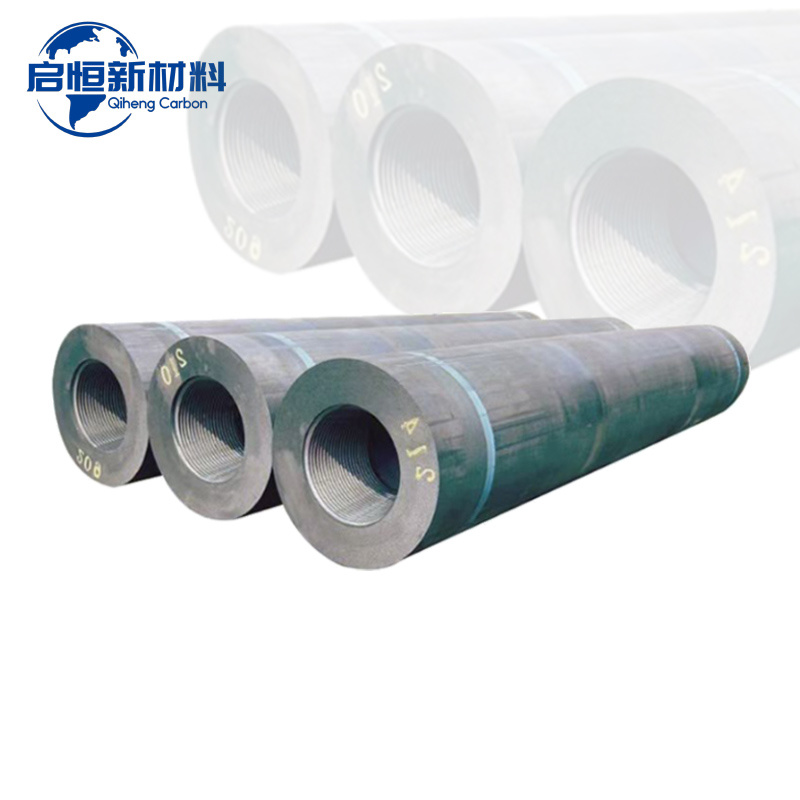
Carbon graphite electrodes play a crucial role in modern metallurgy, particularly in the electric arc furnace (EAF) steelmaking process. These electrodes serve as the primary source of electrical energy, enabling the melting and refining of metals. The unique properties of carbon and graphite make these electrodes indispensable in various metallurgical applications.
2. What Are Carbon Graphite Electrodes?
Carbon graphite electrodes are cylindrical rods made from a mixture of petroleum coke and pitch. The manufacturing process involves shaping and heating these materials to create a dense, conductive product. These electrodes possess exceptional electrical and thermal conductivity, making them ideal for high-temperature applications in metallurgical processes.
3. Importance of Carbon Graphite Electrodes in Metallurgy
The significance of carbon graphite electrodes cannot be overstated in the metallurgical industry. They are essential components in electric arc furnaces, which are widely used for steel production. The efficiency of these electrodes directly impacts the overall performance and energy consumption of the furnace. As the demand for high-quality steel increases, the role of carbon graphite electrodes becomes even more critical.
4. Advantages of Carbon Graphite Electrodes
The advantages of using carbon graphite electrodes in metallurgical processes are numerous and impactful. Let's delve deeper into these benefits.
4.1 High Electrical Conductivity
One of the primary advantages of carbon graphite electrodes is their **high electrical conductivity**. This property allows for effective energy transfer during the melting process, resulting in reduced energy consumption and lower operational costs. The enhanced conductivity also leads to improved arc stability, which is essential for efficient melting.
4.2 Thermal Stability
Carbon graphite electrodes exhibit **excellent thermal stability**, enabling them to withstand the extreme temperatures encountered in electric arc furnaces. This stability not only prolongs the lifespan of the electrodes but also ensures consistent performance throughout the melting process. The ability to maintain structural integrity at high temperatures minimizes the risk of electrode breakage, which can lead to costly downtime.
4.3 Resistance to Oxidation
Another significant advantage is the **resistance to oxidation** that carbon graphite electrodes offer. In the harsh environment of an electric arc furnace, oxidation can severely impact electrode performance. The inherent resistance to oxidation ensures that the electrodes maintain their effectiveness, resulting in fewer replacements and reduced operational disruptions.
4.4 Cost-Effectiveness
Using carbon graphite electrodes can lead to substantial cost savings in the long run. While the initial investment may be higher than alternatives, the durability and efficiency of these electrodes reduce maintenance and replacement costs. Additionally, their high conductivity translates into lower energy bills, enhancing the overall cost-effectiveness of metallurgical operations.
4.5 Environmental Advantages
The use of carbon graphite electrodes also aligns with environmental sustainability goals. Their efficiency in energy consumption leads to lower greenhouse gas emissions during the steelmaking process. Furthermore, advancements in electrode manufacturing are increasingly focusing on environmentally friendly practices, reducing the overall environmental footprint of metallurgical operations.
5. Applications of Carbon Graphite Electrodes
Carbon graphite electrodes find extensive use across various metallurgical applications. Some of the key areas include:
- **Electric Arc Furnaces (EAF):** The primary application of carbon graphite electrodes, where they facilitate the melting and refining of scrap steel and other metals.
- **Foundries:** Used in the production of cast iron and other metal alloys, providing the necessary heat and energy for effective melting.
- **Non-Ferrous Metallurgy:** Employed in processes involving aluminum, copper, and other non-ferrous metals, enhancing efficiency and performance.
6. The Manufacturing Process of Carbon Graphite Electrodes
The manufacturing process of carbon graphite electrodes involves several critical steps:
1. **Raw Material Selection:** High-quality petroleum coke and pitch are selected as the primary raw materials.
2. **Mixing and Shaping:** The materials are mixed and shaped into the desired electrode form using hydraulic presses.
3. **Baking:** The shaped electrodes undergo a baking process at high temperatures, which removes volatile substances and enhances strength.
4. **Graphitization:** The baked electrodes are subjected to high temperatures in a graphitization furnace, transforming them into highly conductive graphite.
5. **Machining:** The final step involves machining the electrodes to precise dimensions, ensuring compatibility with various furnace types.
7. Future Trends in Carbon Graphite Electrodes
As the metallurgy industry continues to evolve, the future of carbon graphite electrodes is promising. Emerging trends include:
- **Innovative Manufacturing Techniques:** Advancements in manufacturing technologies will lead to the production of more efficient and durable electrodes.
- **Sustainability Initiatives:** Manufacturers are increasingly focusing on sustainable practices, such as recycling and using eco-friendly materials, to minimize environmental impact.
- **Performance Enhancements:** Research and development efforts aim to enhance the performance characteristics of carbon graphite electrodes, making them even more effective for future metallurgical processes.
8. Frequently Asked Questions
What are carbon graphite electrodes made of?
Carbon graphite electrodes are primarily made from petroleum coke and pitch, which undergo a series of processes to enhance their conductivity and durability.
How do carbon graphite electrodes work in electric arc furnaces?
These electrodes conduct electricity, creating an electric arc that generates the high temperatures needed for melting and refining metals in electric arc furnaces.
What are the benefits of using carbon graphite electrodes over other types of electrodes?
The benefits include high electrical conductivity, thermal stability, resistance to oxidation, cost-effectiveness, and environmental advantages.
What industries use carbon graphite electrodes?
Carbon graphite electrodes are used in various industries, including steel production, foundries, and non-ferrous metallurgy.
How can the lifespan of carbon graphite electrodes be extended?
Proper handling, regular maintenance, and using high-quality electrodes can help extend their lifespan and improve performance.
9. Conclusion
Carbon graphite electrodes are indispensable in metallurgical processes, particularly in electric arc furnaces. Their numerous advantages, such as high conductivity, thermal stability, resistance to oxidation, cost-effectiveness, and environmental benefits, make them the preferred choice for steel and metal production. As the industry evolves, ongoing advancements in manufacturing techniques and sustainability practices will further enhance the role of carbon graphite electrodes, ensuring they continue to meet the demands of modern metallurgy. Adopting these electrodes not only improves operational efficiency but also contributes to a more sustainable future for the industry.
Focus On Hot Spots
RP Graphite Electrodes: Transforming Conductivity in Metallurgical Processes
RP Graphite Electrodes: Enhancing Conductivity in Metallurgical Applications
Table of Contents
1. Introduction to RP Graphite Electrodes
2. Understanding Graphite and Its Properties
3. The Role of RP Graphite Electrodes in Metallurgy
4. Benefits of Using RP Graphite Electrodes
5. The Manufacturing Process of RP Graphite Electrodes
6. Applications of RP Graphite Electrodes
The Essential Guide to Graphite Blocks in Metallurgy and Energy Industries
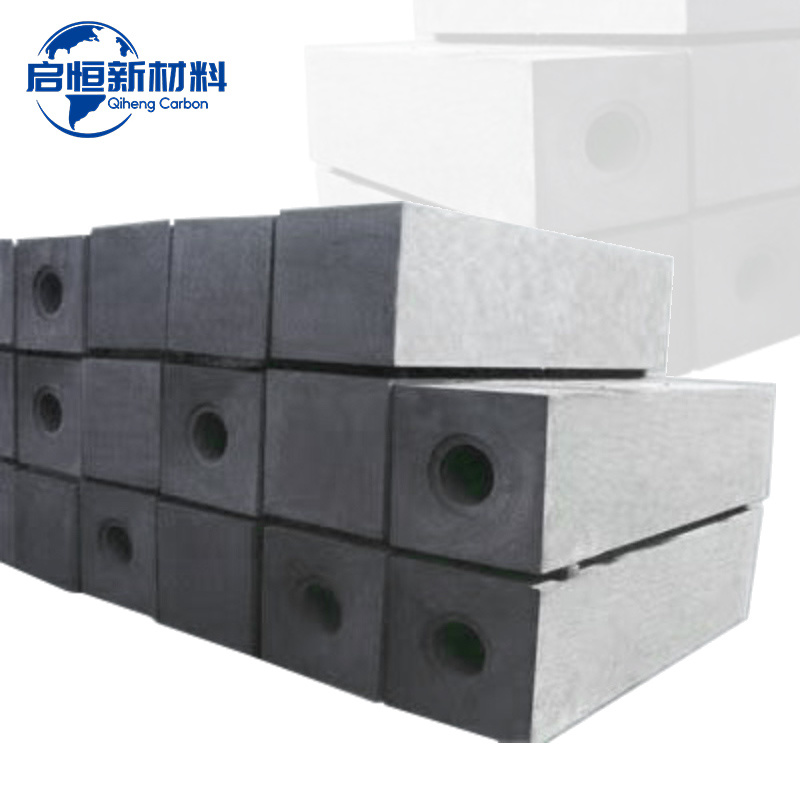
Graphite blocks are pivotal materials in the metallurgy and energy industries, particularly within the non-metallic mineral products sector. These blocks, made from natural or synthetic graphite, possess unique properties that make them suitable for a wide range of applications. One of the most notable characteristics of graphite is its excellent thermal and electrical conductivity. This property
Quick Navigation
Contact Us
Mobile:
+8618031071182(Mr. Chang)
+8613703203188(Mr. Guo)
Address: West of Zholangbao Village, Shangcheng Town, Chengan County, Handan City, Hebei Province
Alibaba Store: