

Understanding Graphite Powder: Properties, Applications, and Benefits
Jan 13,2025


Summary:
Graphite powder is a versatile material derived from natural or synthetic graphite, characterized by its unique properties such as high thermal and electrical conductivity, lubricity, and chemical stability. These properties make graphite powder an essential component in a variety of applications, particularly in the metallurgy and energy sectors.
One of the primary uses of graphite powder is in t
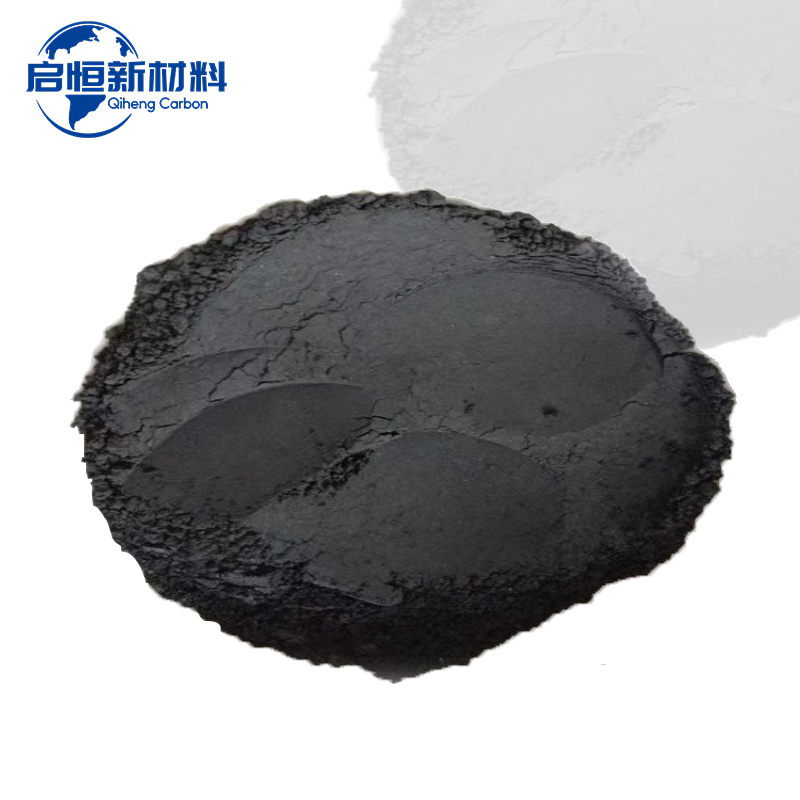
Graphite powder is a versatile material derived from natural or synthetic graphite, characterized by its unique properties such as high thermal and electrical conductivity, lubricity, and chemical stability. These properties make graphite powder an essential component in a variety of applications, particularly in the metallurgy and energy sectors.
One of the primary uses of graphite powder is in the production of lubricants. Its layered structure allows it to reduce friction between surfaces, making it an effective solution for high-temperature applications where traditional lubricants may fail. In the metallurgy industry, graphite powder is often used as a lubricant in processes such as metal forming and machining, significantly improving the efficiency and quality of the final products.
Additionally, graphite powder plays a crucial role in the manufacture of batteries, particularly in lithium-ion batteries. Its excellent electrical conductivity helps enhance the performance and lifespan of the batteries, making it an integral component in the growing electric vehicle and renewable energy sectors. As the demand for sustainable energy solutions increases, the significance of graphite powder in this context cannot be overstated.
Another important application of graphite powder is in the production of refractory materials. These materials are essential for high-temperature industrial processes, such as steel-making and foundry operations. The high melting point and thermal stability of graphite powder make it an ideal choice for these applications, providing the necessary resilience against extreme conditions.
Moreover, graphite powder is extensively used in the production of various non-metallic mineral products, including paints, coatings, and plastics. Its ability to provide thermal and electrical conductivity while also enhancing mechanical properties makes it a valuable additive in these materials. As industries continue to innovate, the incorporation of graphite powder in new applications is likely to expand, showcasing its adaptability and versatility.
In summary, understanding graphite powder and its properties is vital for professionals in metallurgy, energy, and non-metallic mineral products. Its unique characteristics not only serve a wide range of industrial applications but also contribute to advancements in technology, such as battery production and high-performance lubricants. By leveraging the benefits of graphite powder, industries can enhance their products and processes, paving the way for future innovations.
One of the primary uses of graphite powder is in the production of lubricants. Its layered structure allows it to reduce friction between surfaces, making it an effective solution for high-temperature applications where traditional lubricants may fail. In the metallurgy industry, graphite powder is often used as a lubricant in processes such as metal forming and machining, significantly improving the efficiency and quality of the final products.
Additionally, graphite powder plays a crucial role in the manufacture of batteries, particularly in lithium-ion batteries. Its excellent electrical conductivity helps enhance the performance and lifespan of the batteries, making it an integral component in the growing electric vehicle and renewable energy sectors. As the demand for sustainable energy solutions increases, the significance of graphite powder in this context cannot be overstated.
Another important application of graphite powder is in the production of refractory materials. These materials are essential for high-temperature industrial processes, such as steel-making and foundry operations. The high melting point and thermal stability of graphite powder make it an ideal choice for these applications, providing the necessary resilience against extreme conditions.
Moreover, graphite powder is extensively used in the production of various non-metallic mineral products, including paints, coatings, and plastics. Its ability to provide thermal and electrical conductivity while also enhancing mechanical properties makes it a valuable additive in these materials. As industries continue to innovate, the incorporation of graphite powder in new applications is likely to expand, showcasing its adaptability and versatility.
In summary, understanding graphite powder and its properties is vital for professionals in metallurgy, energy, and non-metallic mineral products. Its unique characteristics not only serve a wide range of industrial applications but also contribute to advancements in technology, such as battery production and high-performance lubricants. By leveraging the benefits of graphite powder, industries can enhance their products and processes, paving the way for future innovations.
Focus On Hot Spots
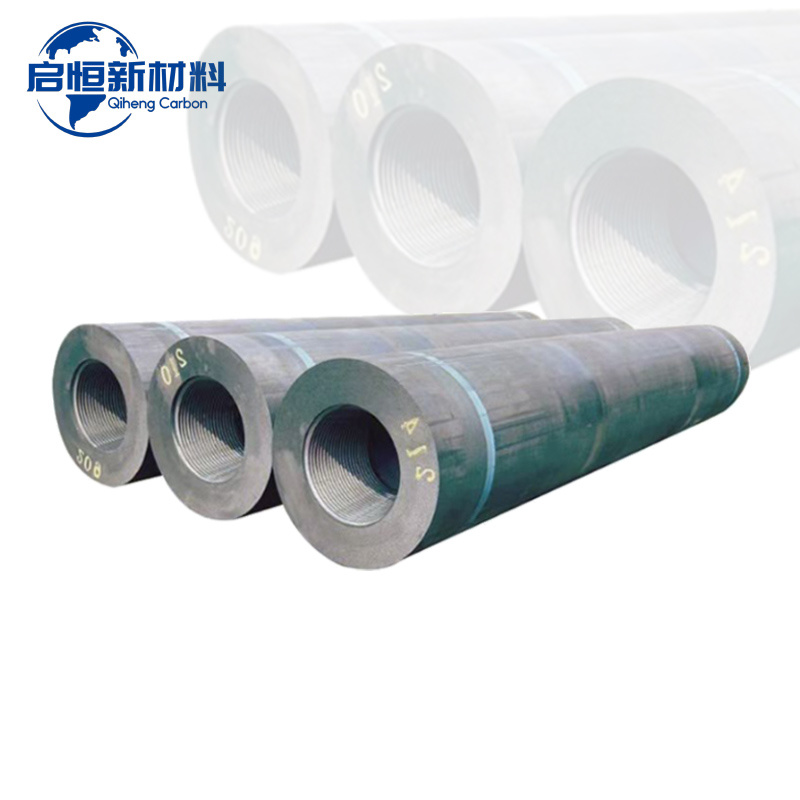
RP Graphite Electrodes: Transforming Conductivity in Metallurgical Processes
RP Graphite Electrodes: Enhancing Conductivity in Metallurgical Applications
Table of Contents
1. Introduction to RP Graphite Electrodes
2. Understanding Graphite and Its Properties
3. The Role of RP Graphite Electrodes in Metallurgy
4. Benefits of Using RP Graphite Electrodes
5. The Manufacturing Process of RP Graphite Electrodes
6. Applications of RP Graphite Electrodes
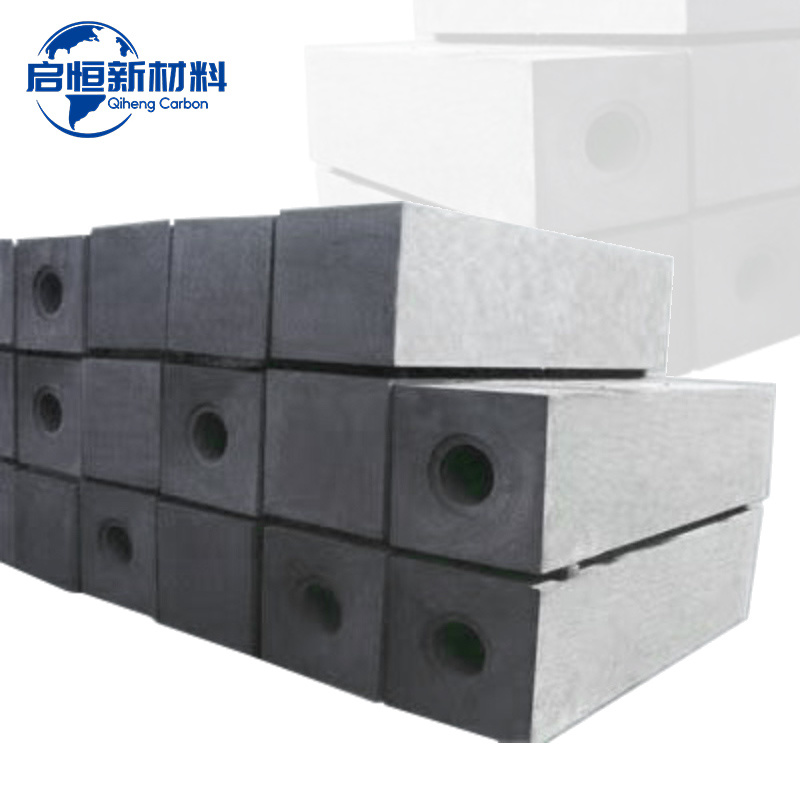
The Essential Guide to Graphite Blocks in Metallurgy and Energy Industries
Graphite blocks are pivotal materials in the metallurgy and energy industries, particularly within the non-metallic mineral products sector. These blocks, made from natural or synthetic graphite, possess unique properties that make them suitable for a wide range of applications. One of the most notable characteristics of graphite is its excellent thermal and electrical conductivity. This property
Quick Navigation
Contact Us
Mobile:
+8618031071182(Mr. Chang)
+8613703203188(Mr. Guo)
Address: West of Zholangbao Village, Shangcheng Town, Chengan County, Handan City, Hebei Province
Alibaba Store: