

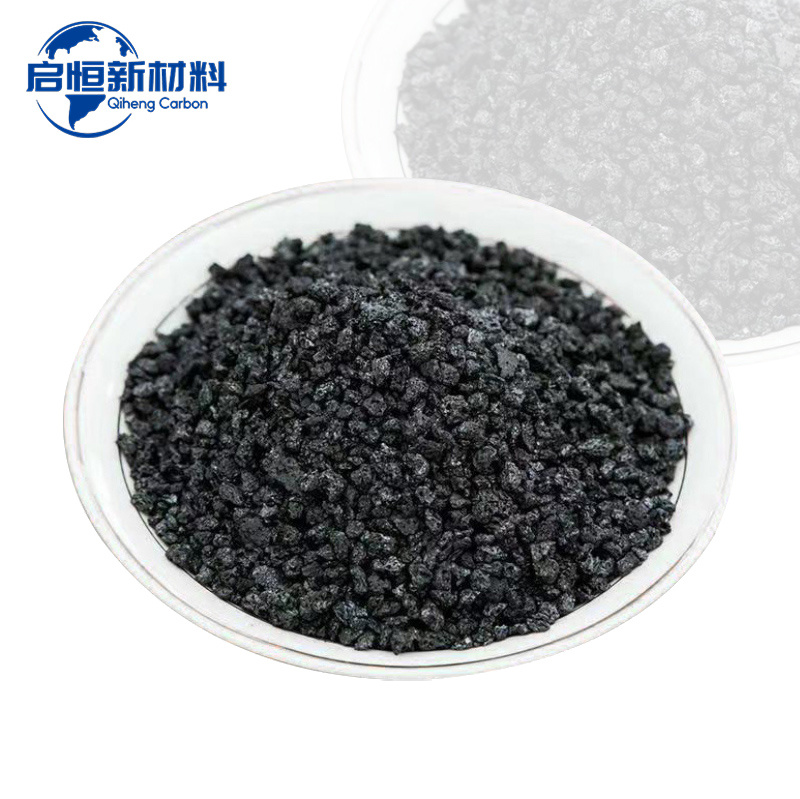
Why Petroleum Coke is a Game Changer for Energy Production
Jan 12,2025


Summary:
Why Petroleum Coke is a Game Changer for Energy Production
Table of Contents
1. Introduction to Petroleum Coke
2. The Composition and Characteristics of Petroleum Coke
3. The Role of Petroleum Coke in Energy Production
3.1 Advantages Over Traditional Fuels
3.2 Environmental Considerations and Emissions
4. Applications of Petroleum Coke in Various Industries
4.1 Cement Manufacturing
4.2 Power Gener
Why Petroleum Coke is a Game Changer for Energy Production
Table of Contents
1. Introduction to Petroleum Coke
2. The Composition and Characteristics of Petroleum Coke
3. The Role of Petroleum Coke in Energy Production
3.1 Advantages Over Traditional Fuels
3.2 Environmental Considerations and Emissions
4. Applications of Petroleum Coke in Various Industries
4.1 Cement Manufacturing
4.2 Power Generation
4.3 Aluminum and Steel Industries
5. The Future of Petroleum Coke in Energy Production
6. Frequently Asked Questions (FAQs)
7. Conclusion
1. Introduction to Petroleum Coke
Petroleum coke, commonly referred to as petcoke, is a solid carbon material derived from oil refining in the delayed coking process. It is an important byproduct that has garnered significant attention in recent years due to its potential to revolutionize energy production. As the world grapples with the challenges of energy demand and environmental sustainability, petcoke emerges as a viable alternative to traditional fossil fuels.
This article delves into the myriad ways petroleum coke is changing the landscape of energy production, highlighting its advantages, applications, and future potential.
2. The Composition and Characteristics of Petroleum Coke
Understanding petroleum coke begins with examining its composition. It primarily consists of carbon (approximately 80-90%), with smaller amounts of hydrogen, sulfur, nitrogen, and other trace elements. The specific properties of petcoke can vary based on the crude oil used and the refining process employed.
**Key Characteristics of Petroleum Coke:**
- **High Carbon Content:** The high carbon concentration in petcoke makes it an efficient fuel source, enabling high energy output per unit.
- **Low Ash Content:** Petcoke typically contains minimal ash, which reduces the environmental impact during combustion.
- **Varied Grades:** There are different grades of petroleum coke, including fuel-grade and anode-grade, each suited for specific applications.
These characteristics render petroleum coke a valuable commodity in energy production and other industrial applications.
3. The Role of Petroleum Coke in Energy Production
Petroleum coke is increasingly recognized for its multifaceted role in energy production. Its unique properties present significant advantages over traditional fuels, making it an attractive option for various industries.
3.1 Advantages Over Traditional Fuels
- **Cost Efficiency:** Petroleum coke is often cheaper than coal and natural gas, allowing for reduced operational costs in energy production.
- **Energy Density:** With its high energy content, petcoke provides a substantial amount of energy per ton, making it an efficient fuel alternative.
- **Versatility:** It can be used in various applications, from power generation to manufacturing processes, showcasing its versatility as an energy source.
3.2 Environmental Considerations and Emissions
While petroleum coke does have environmental implications, its careful management can lead to reduced overall emissions. Compared to traditional fossil fuels, petcoke often produces lower sulfur and nitrogen oxides upon combustion. This makes it a relatively cleaner alternative when utilized properly in energy generation.
However, it is crucial to address its carbon emissions. The shift toward cleaner technologies and carbon capture solutions can mitigate the environmental impact of using petroleum coke, thereby offering a more sustainable energy pathway.
4. Applications of Petroleum Coke in Various Industries
The versatility of petroleum coke extends beyond energy production, impacting various industries in significant ways.
4.1 Cement Manufacturing
Petroleum coke serves as an excellent fuel source in cement manufacturing. The high energy content and low ash properties contribute to efficient kiln operations. Its use helps cement plants reduce costs while maintaining production efficiency.
4.2 Power Generation
The power generation sector is increasingly incorporating petroleum coke as a fuel alternative. With the ability to co-fire petcoke with coal or use it as a standalone fuel, power plants can capitalize on its cost-efficiency and high energy output.
4.3 Aluminum and Steel Industries
In the aluminum and steel industries, petroleum coke is utilized as a carbon source in the production of anodes. The high carbon content enhances the quality of the final products, making petcoke an indispensable material in these sectors.
5. The Future of Petroleum Coke in Energy Production
As the world transitions toward more sustainable energy solutions, the role of petroleum coke is poised to evolve. Continued advancements in refining technology and emissions reduction strategies will enhance its viability as a clean energy source.
Emerging trends such as carbon capture and utilization (CCU) and the development of cleaner combustion techniques are likely to optimize the use of petroleum coke. This positions it not just as a byproduct, but as a key player in the future of energy production.
6. Frequently Asked Questions (FAQs)
What is petroleum coke used for?
Petroleum coke is primarily used as a fuel source in power generation and cement manufacturing, as well as in the aluminum and steel industries as a carbon source.
Is petroleum coke environmentally friendly?
While it has a lower impact compared to traditional fossil fuels, the environmental friendliness of petroleum coke depends on its management and the technologies used during combustion.
How does petroleum coke compare to coal?
Petroleum coke generally has a higher energy density and lower sulfur content compared to coal, making it a more efficient and cleaner fuel alternative.
Can petroleum coke be used in renewable energy?
While petroleum coke itself is a fossil fuel, advancements in carbon capture technology could enhance its role in a transition toward more sustainable energy systems.
What are the economic benefits of using petroleum coke?
The use of petroleum coke can lower operational costs for industries by providing a cheaper energy source compared to coal and natural gas, while also increasing energy efficiency.
7. Conclusion
In conclusion, petroleum coke is undeniably a game changer for energy production, offering a compelling alternative to traditional fossil fuels. Its unique properties, cost-efficiency, and diverse applications make it a valuable resource in the quest for sustainable energy solutions. As technology continues to advance, embracing the use of petroleum coke can help industries meet energy demands while minimizing environmental impacts. The future of energy production may very well hinge on how effectively we harness the potential of petroleum coke.
Focus On Hot Spots
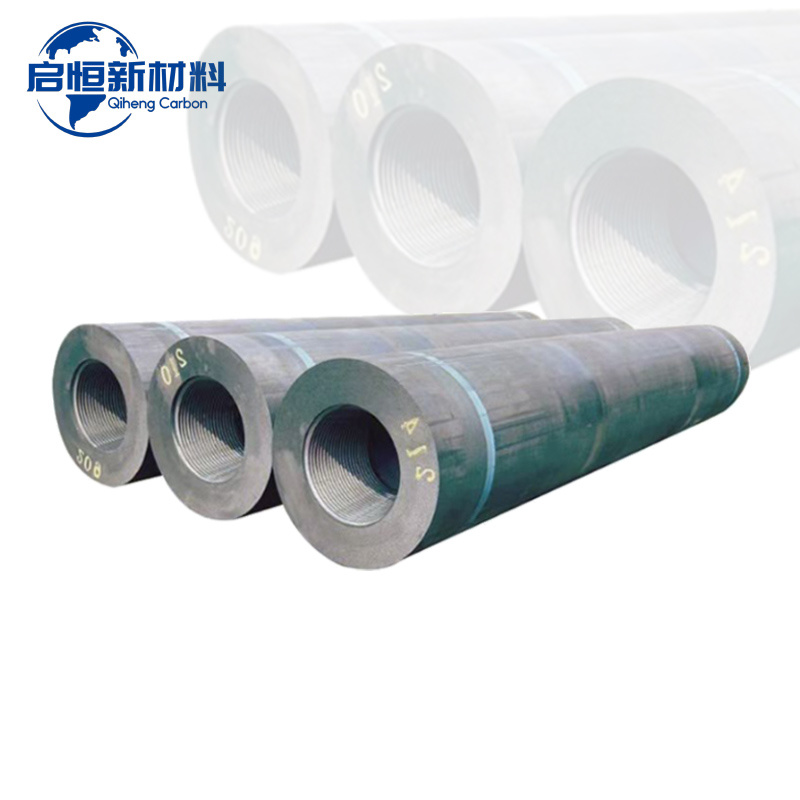
RP Graphite Electrodes: Transforming Conductivity in Metallurgical Processes
RP Graphite Electrodes: Enhancing Conductivity in Metallurgical Applications
Table of Contents
1. Introduction to RP Graphite Electrodes
2. Understanding Graphite and Its Properties
3. The Role of RP Graphite Electrodes in Metallurgy
4. Benefits of Using RP Graphite Electrodes
5. The Manufacturing Process of RP Graphite Electrodes
6. Applications of RP Graphite Electrodes
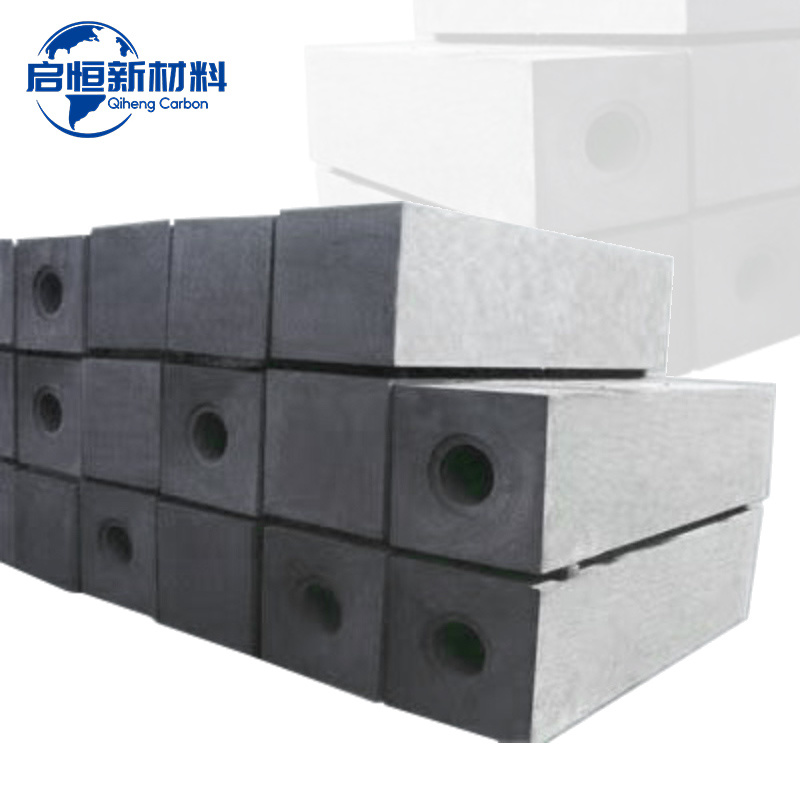
The Essential Guide to Graphite Blocks in Metallurgy and Energy Industries
Graphite blocks are pivotal materials in the metallurgy and energy industries, particularly within the non-metallic mineral products sector. These blocks, made from natural or synthetic graphite, possess unique properties that make them suitable for a wide range of applications. One of the most notable characteristics of graphite is its excellent thermal and electrical conductivity. This property
Quick Navigation
Contact Us
Mobile:
+8618031071182(Mr. Chang)
+8613703203188(Mr. Guo)
Address: West of Zholangbao Village, Shangcheng Town, Chengan County, Handan City, Hebei Province
Alibaba Store: