

Unlocking the Potential of Carbon Bricks in Metallurgy and Energy
Jan 11,2025


Summary:
Carbon bricks, a vital component in the manufacturing and engineering industries, have gained considerable attention due to their unique properties and versatility. These bricks, primarily composed of carbon, are designed to withstand extreme temperatures and provide excellent thermal conductivity. They are particularly valuable in metallurgical processes and energy applications, where they play a
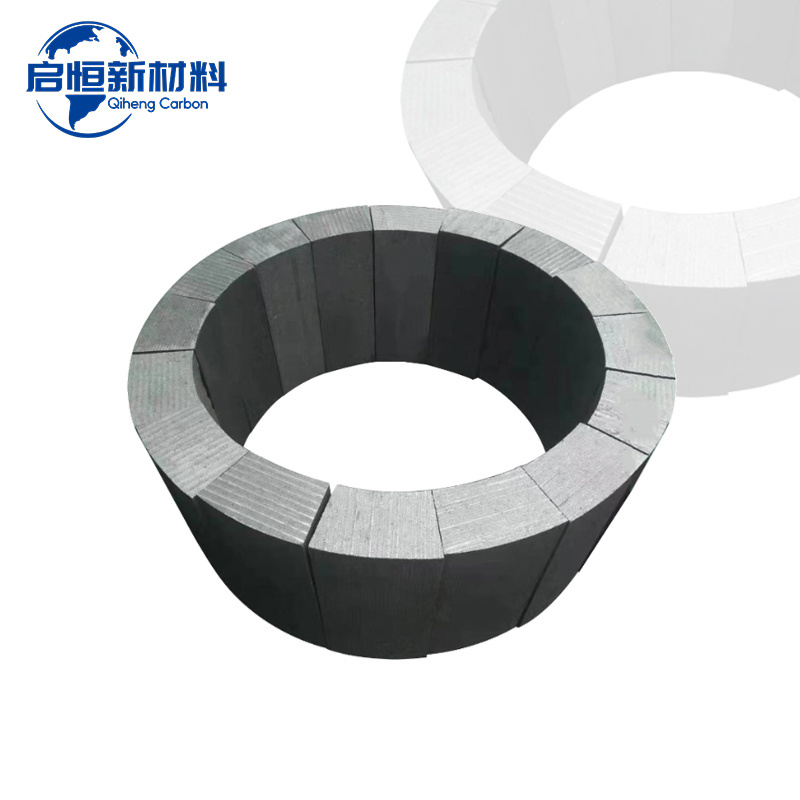
Carbon bricks, a vital component in the manufacturing and engineering industries, have gained considerable attention due to their unique properties and versatility. These bricks, primarily composed of carbon, are designed to withstand extreme temperatures and provide excellent thermal conductivity. They are particularly valuable in metallurgical processes and energy applications, where they play a crucial role in enhancing productivity and efficiency.
One of the primary advantages of carbon bricks is their ability to withstand high thermal stress. In industries where intense heat is generated, such as steelmaking and other metallurgical processes, the durability of materials is paramount. Carbon bricks exhibit exceptional resistance to thermal shock, ensuring that they maintain their structural integrity even under extreme conditions. This characteristic not only prolongs the life of the materials used in high-temperature environments but also minimizes maintenance costs, making them a cost-effective solution.
In addition to their thermal stability, carbon bricks possess superior chemical resistance. This property is particularly beneficial in applications where exposure to corrosive substances is inevitable. The resilience of carbon bricks against oxidation and other chemical reactions ensures that they remain effective over time, reducing the need for frequent replacements and contributing to more sustainable operational practices.
Moreover, carbon bricks are increasingly being utilized in energy applications, especially in the context of carbon capture and sequestration technologies. Their ability to absorb and store carbon dioxide makes them an essential component in efforts to combat climate change. By integrating carbon bricks into energy systems, businesses can significantly reduce their carbon footprint, aligning with global sustainability goals.
The versatility of carbon bricks extends beyond just their functional properties. Their lightweight nature and ease of installation make them an attractive option for various construction projects. Whether used in furnaces, kilns, or as part of energy-efficient designs, carbon bricks can be easily integrated into existing systems, enhancing overall performance without requiring extensive modifications.
Furthermore, the manufacturing processes of carbon bricks have evolved, allowing for improved customization to meet specific industry requirements. This adaptability ensures that various sectors can benefit from tailored solutions that address their unique challenges and operational needs.
In summary, carbon bricks represent a significant advancement in the metallurgy and energy sectors. Their exceptional thermal and chemical properties, combined with their role in promoting sustainability, make them an indispensable element in modern industrial applications. As industries continue to seek innovative solutions to improve efficiency and environmental performance, the importance of carbon bricks will undoubtedly grow. By understanding their benefits and potential applications, professionals can leverage carbon bricks to enhance their operations and contribute to a more sustainable future.
One of the primary advantages of carbon bricks is their ability to withstand high thermal stress. In industries where intense heat is generated, such as steelmaking and other metallurgical processes, the durability of materials is paramount. Carbon bricks exhibit exceptional resistance to thermal shock, ensuring that they maintain their structural integrity even under extreme conditions. This characteristic not only prolongs the life of the materials used in high-temperature environments but also minimizes maintenance costs, making them a cost-effective solution.
In addition to their thermal stability, carbon bricks possess superior chemical resistance. This property is particularly beneficial in applications where exposure to corrosive substances is inevitable. The resilience of carbon bricks against oxidation and other chemical reactions ensures that they remain effective over time, reducing the need for frequent replacements and contributing to more sustainable operational practices.
Moreover, carbon bricks are increasingly being utilized in energy applications, especially in the context of carbon capture and sequestration technologies. Their ability to absorb and store carbon dioxide makes them an essential component in efforts to combat climate change. By integrating carbon bricks into energy systems, businesses can significantly reduce their carbon footprint, aligning with global sustainability goals.
The versatility of carbon bricks extends beyond just their functional properties. Their lightweight nature and ease of installation make them an attractive option for various construction projects. Whether used in furnaces, kilns, or as part of energy-efficient designs, carbon bricks can be easily integrated into existing systems, enhancing overall performance without requiring extensive modifications.
Furthermore, the manufacturing processes of carbon bricks have evolved, allowing for improved customization to meet specific industry requirements. This adaptability ensures that various sectors can benefit from tailored solutions that address their unique challenges and operational needs.
In summary, carbon bricks represent a significant advancement in the metallurgy and energy sectors. Their exceptional thermal and chemical properties, combined with their role in promoting sustainability, make them an indispensable element in modern industrial applications. As industries continue to seek innovative solutions to improve efficiency and environmental performance, the importance of carbon bricks will undoubtedly grow. By understanding their benefits and potential applications, professionals can leverage carbon bricks to enhance their operations and contribute to a more sustainable future.
Focus On Hot Spots
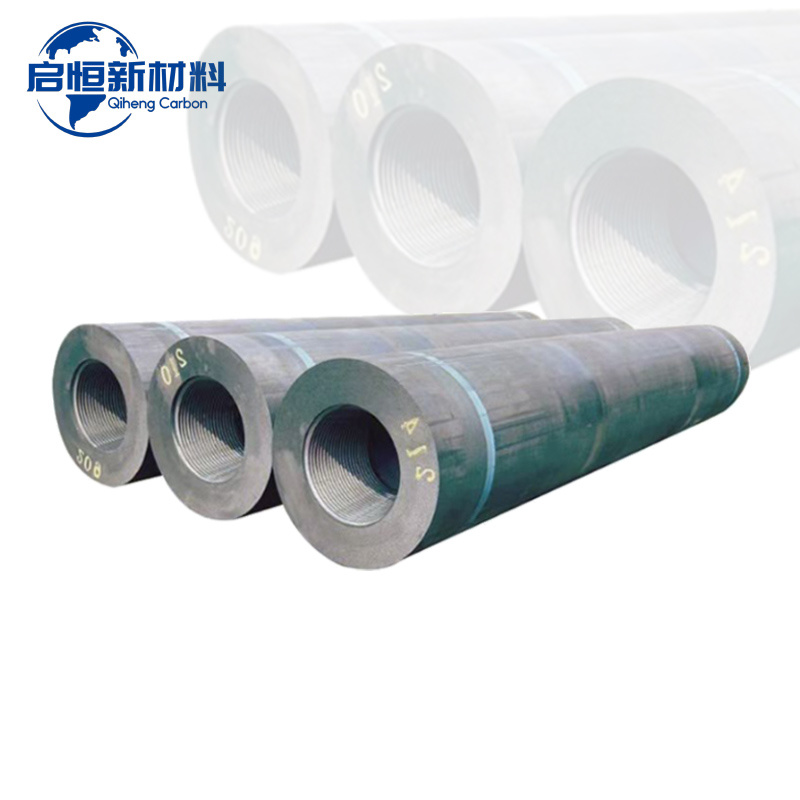
RP Graphite Electrodes: Transforming Conductivity in Metallurgical Processes
RP Graphite Electrodes: Enhancing Conductivity in Metallurgical Applications
Table of Contents
1. Introduction to RP Graphite Electrodes
2. Understanding Graphite and Its Properties
3. The Role of RP Graphite Electrodes in Metallurgy
4. Benefits of Using RP Graphite Electrodes
5. The Manufacturing Process of RP Graphite Electrodes
6. Applications of RP Graphite Electrodes
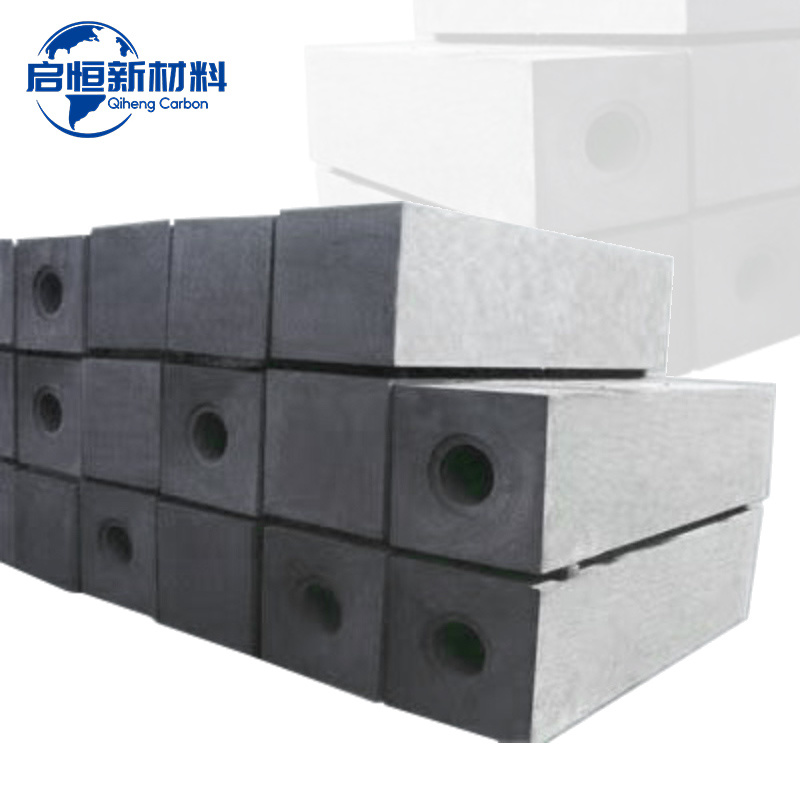
The Essential Guide to Graphite Blocks in Metallurgy and Energy Industries
Graphite blocks are pivotal materials in the metallurgy and energy industries, particularly within the non-metallic mineral products sector. These blocks, made from natural or synthetic graphite, possess unique properties that make them suitable for a wide range of applications. One of the most notable characteristics of graphite is its excellent thermal and electrical conductivity. This property
Quick Navigation
Contact Us
Mobile:
+8618031071182(Mr. Chang)
+8613703203188(Mr. Guo)
Address: West of Zholangbao Village, Shangcheng Town, Chengan County, Handan City, Hebei Province
Alibaba Store: