

Understanding Graphite Electrode Carbon Bricks: Key Insights for Metallurgical Applications
Jan 05,2025


Summary:
Graphite electrode carbon bricks are specialized materials widely utilized in the metallurgical industry, particularly in electric arc furnaces and other high-temperature applications. Their primary function is to facilitate the conduction of electrical current while withstanding extreme thermal conditions. These bricks are composed of high-purity graphite, which provides excellent electrical cond
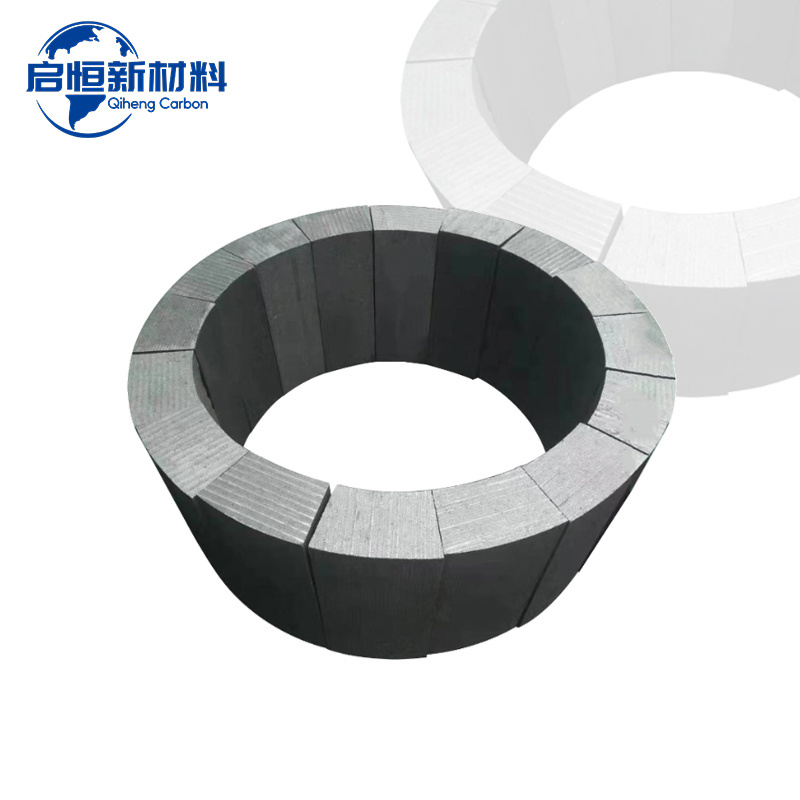
Graphite electrode carbon bricks are specialized materials widely utilized in the metallurgical industry, particularly in electric arc furnaces and other high-temperature applications. Their primary function is to facilitate the conduction of electrical current while withstanding extreme thermal conditions. These bricks are composed of high-purity graphite, which provides excellent electrical conductivity, thermal stability, and resistance to oxidation, making them indispensable in the production processes of various non-metallic minerals.
One of the primary benefits of using graphite electrode carbon bricks in metallurgical applications is their ability to endure the intense heat generated during operations. High-quality graphite can sustain temperatures that exceed 3000°C, which is critical in processes such as steelmaking and ferroalloy production. This thermal resilience not only enhances the efficiency of the melting process but also helps in maintaining the structural integrity of the furnace.
Additionally, graphite electrode carbon bricks exhibit low thermal expansion, which minimizes the risk of cracking and deformation under thermal stress. This characteristic is essential for maintaining the consistency and quality of the end products, as any structural failure can lead to significant operational downtimes and increased production costs.
Another noteworthy aspect of graphite electrode carbon bricks is their self-lubricating properties. This feature allows them to accommodate the wear and tear experienced during the electrochemical reactions within the furnace. As a result, they contribute to a smoother operational environment, reducing friction and prolonging the lifespan of both the bricks and the machinery involved in the process.
Furthermore, the chemical inertness of graphite electrode carbon bricks ensures that they do not react adversely with the materials being processed, thereby preventing contamination of the metal being produced. This quality is particularly crucial in high-purity applications where the presence of impurities could compromise product quality.
In summary, graphite electrode carbon bricks play a pivotal role in the metallurgical sector, offering enhanced electrical conductivity, thermal stability, and mechanical strength. Their ability to function under extreme conditions without compromising performance makes them a preferred choice for industries involved in high-temperature processes. As the demand for efficient and durable materials continues to grow, understanding the advantages of graphite electrode carbon bricks can significantly contribute to optimizing production processes and achieving superior results in metallurgical applications.
One of the primary benefits of using graphite electrode carbon bricks in metallurgical applications is their ability to endure the intense heat generated during operations. High-quality graphite can sustain temperatures that exceed 3000°C, which is critical in processes such as steelmaking and ferroalloy production. This thermal resilience not only enhances the efficiency of the melting process but also helps in maintaining the structural integrity of the furnace.
Additionally, graphite electrode carbon bricks exhibit low thermal expansion, which minimizes the risk of cracking and deformation under thermal stress. This characteristic is essential for maintaining the consistency and quality of the end products, as any structural failure can lead to significant operational downtimes and increased production costs.
Another noteworthy aspect of graphite electrode carbon bricks is their self-lubricating properties. This feature allows them to accommodate the wear and tear experienced during the electrochemical reactions within the furnace. As a result, they contribute to a smoother operational environment, reducing friction and prolonging the lifespan of both the bricks and the machinery involved in the process.
Furthermore, the chemical inertness of graphite electrode carbon bricks ensures that they do not react adversely with the materials being processed, thereby preventing contamination of the metal being produced. This quality is particularly crucial in high-purity applications where the presence of impurities could compromise product quality.
In summary, graphite electrode carbon bricks play a pivotal role in the metallurgical sector, offering enhanced electrical conductivity, thermal stability, and mechanical strength. Their ability to function under extreme conditions without compromising performance makes them a preferred choice for industries involved in high-temperature processes. As the demand for efficient and durable materials continues to grow, understanding the advantages of graphite electrode carbon bricks can significantly contribute to optimizing production processes and achieving superior results in metallurgical applications.
Focus On Hot Spots
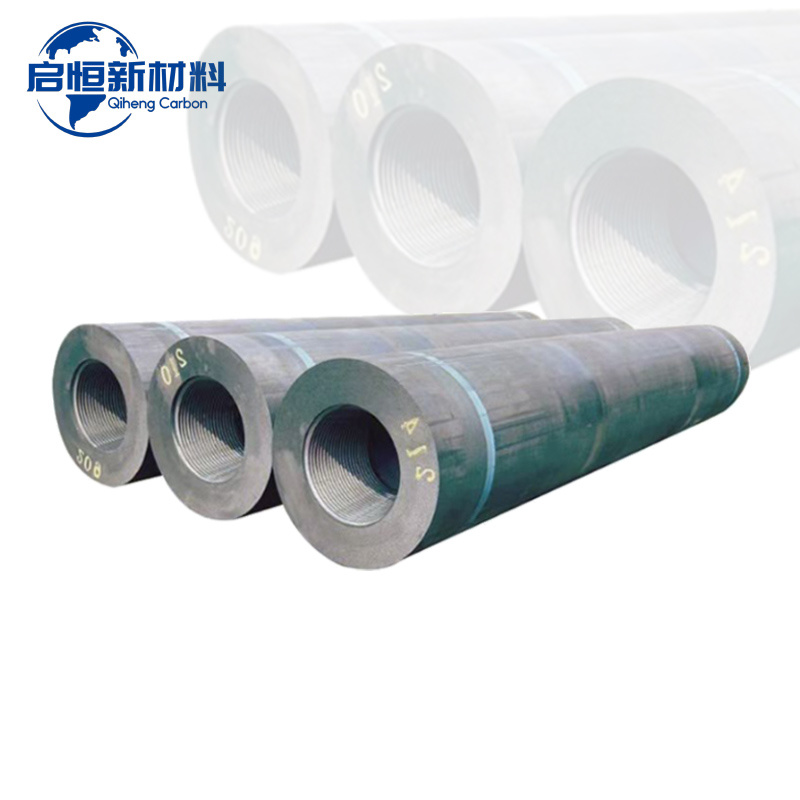
RP Graphite Electrodes: Transforming Conductivity in Metallurgical Processes
RP Graphite Electrodes: Enhancing Conductivity in Metallurgical Applications
Table of Contents
1. Introduction to RP Graphite Electrodes
2. Understanding Graphite and Its Properties
3. The Role of RP Graphite Electrodes in Metallurgy
4. Benefits of Using RP Graphite Electrodes
5. The Manufacturing Process of RP Graphite Electrodes
6. Applications of RP Graphite Electrodes
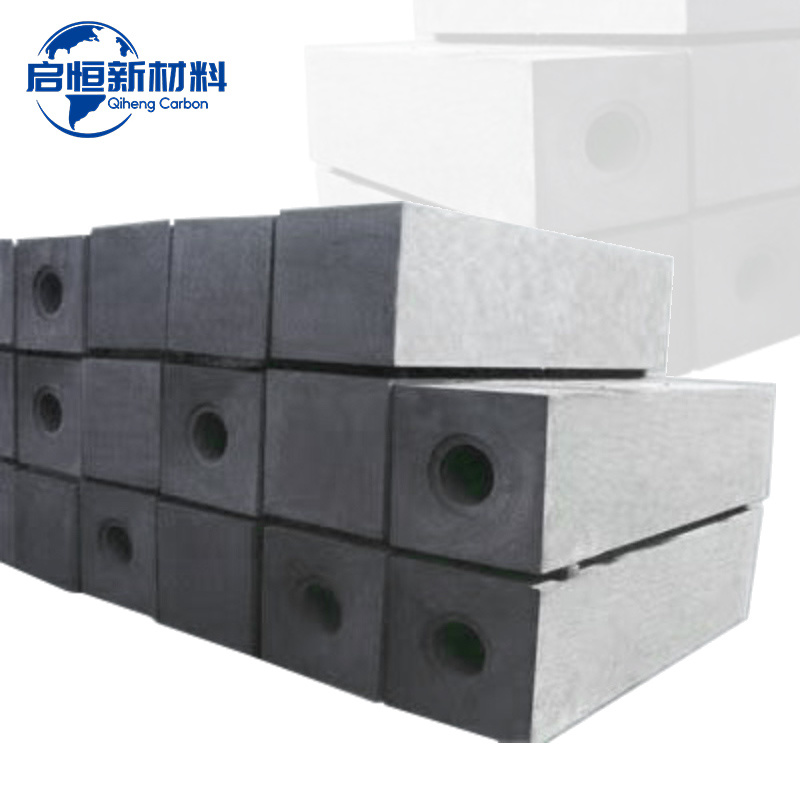
The Essential Guide to Graphite Blocks in Metallurgy and Energy Industries
Graphite blocks are pivotal materials in the metallurgy and energy industries, particularly within the non-metallic mineral products sector. These blocks, made from natural or synthetic graphite, possess unique properties that make them suitable for a wide range of applications. One of the most notable characteristics of graphite is its excellent thermal and electrical conductivity. This property
Quick Navigation
Contact Us
Mobile:
+8618031071182(Mr. Chang)
+8613703203188(Mr. Guo)
Address: West of Zholangbao Village, Shangcheng Town, Chengan County, Handan City, Hebei Province
Alibaba Store: