

Why Carbon Graphite Electrodes Are Essential for Electric Arc Furnaces: A Comprehensive Guide
Jan 04,2025


Summary:
Why Carbon Graphite Electrodes Are Essential for Electric Arc Furnaces
Table of Contents
1. Introduction to Electric Arc Furnaces and Their Functionality
2. Understanding Carbon Graphite Electrodes
2.1 What Are Carbon Graphite Electrodes?
2.2 The Composition and Manufacturing Process
3. The Critical Role of Carbon Graphite Electrodes in Electric Arc Furnaces
3.1 Conductivity and Effi
Why Carbon Graphite Electrodes Are Essential for Electric Arc Furnaces
Table of Contents
1. Introduction to Electric Arc Furnaces and Their Functionality
2. Understanding Carbon Graphite Electrodes
2.1 What Are Carbon Graphite Electrodes?
2.2 The Composition and Manufacturing Process
3. The Critical Role of Carbon Graphite Electrodes in Electric Arc Furnaces
3.1 Conductivity and Efficiency
3.2 Resistance to High Temperatures
3.3 Sustainability and Environmental Impact
4. Advantages of Using Carbon Graphite Electrodes
4.1 Cost-Effectiveness
4.2 Enhanced Melting Performance
5. Challenges and Considerations in Using Carbon Graphite Electrodes
5.1 Wear and Tear
5.2 Quality Control
6. Future Trends in Carbon Graphite Electrode Technology
7. FAQs About Carbon Graphite Electrodes and Electric Arc Furnaces
8. Conclusion: The Indispensable Nature of Carbon Graphite Electrodes
1. Introduction to Electric Arc Furnaces and Their Functionality
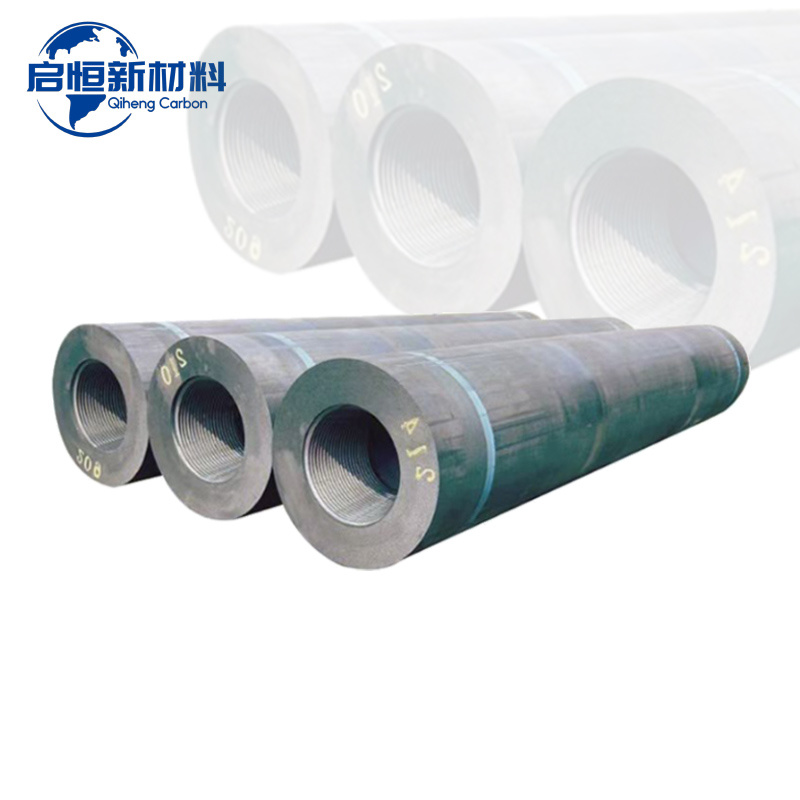
Electric arc furnaces (EAFs) have revolutionized metal production, particularly in the manufacture of steel. These furnaces utilize electrical energy to melt scrap metal, thereby promoting recycling and sustainability. The core component of an EAF is the carbon graphite electrode, which enables the effective and efficient heating necessary to achieve high temperatures for melting.
2. Understanding Carbon Graphite Electrodes
2.1 What Are Carbon Graphite Electrodes?
Carbon graphite electrodes are cylindrical rods that conduct electricity and produce the heat required for melting metal in EAFs. Their unique properties, such as high electrical conductivity and resistance to thermal shock, make them indispensable in this process.
2.2 The Composition and Manufacturing Process
These electrodes are composed mainly of petroleum coke and coal tar pitch, which are subjected to high temperatures during the manufacturing process. This process involves several stages, including mixing, molding, baking, and graphitizing, resulting in a material that can withstand extreme conditions.
3. The Critical Role of Carbon Graphite Electrodes in Electric Arc Furnaces
3.1 Conductivity and Efficiency
The primary reason carbon graphite electrodes are essential is their ability to conduct electricity efficiently. This characteristic allows for optimal energy transfer, reducing energy consumption and operational costs in EAFs.
3.2 Resistance to High Temperatures
In EAFs, temperatures can exceed 3,000 degrees Celsius. Carbon graphite electrodes are engineered to withstand these extreme conditions without degrading, ensuring longevity and reliability in production.
3.3 Sustainability and Environmental Impact
Carbon graphite electrodes support the green initiative by facilitating the recycling of scrap metals, which minimizes the need for raw material extraction. Their use in EAFs significantly reduces carbon emissions compared to traditional blast furnaces.
4. Advantages of Using Carbon Graphite Electrodes
4.1 Cost-Effectiveness
By using carbon graphite electrodes, steel manufacturers can save on energy costs due to their superior efficiency. Additionally, the longevity of these electrodes translates to fewer replacements, further enhancing cost savings.
4.2 Enhanced Melting Performance
The high conductivity and thermal stability of carbon graphite electrodes improve the melting performance of an EAF. This results in quicker melting times and higher overall productivity in steel manufacturing.
5. Challenges and Considerations in Using Carbon Graphite Electrodes
5.1 Wear and Tear
Despite their durability, carbon graphite electrodes can suffer from wear over time. Factors such as electrode composition, operating conditions, and the quality of the scrap metal being melted can affect their lifespan.
5.2 Quality Control
Maintaining quality control in the production of carbon graphite electrodes is vital. Variations in quality can lead to inconsistent performance in EAFs, emphasizing the importance of sourcing electrodes from reputable manufacturers.
6. Future Trends in Carbon Graphite Electrode Technology
As the demand for electric arc furnaces continues to grow, advancements in carbon graphite electrode technology are expected. Innovations may include improved materials that enhance conductivity and reduce environmental impact. Research is also underway to develop alternative materials that can further optimize EAF performance.
7. FAQs About Carbon Graphite Electrodes and Electric Arc Furnaces
What are the main uses of carbon graphite electrodes?
Carbon graphite electrodes are primarily used in electric arc furnaces for melting steel and other metals.
How do carbon graphite electrodes compare to other types of electrodes?
Carbon graphite electrodes offer superior conductivity and thermal stability compared to many other types, making them ideal for high-temperature applications in EAFs.
What factors influence the lifespan of carbon graphite electrodes?
The lifespan of carbon graphite electrodes is influenced by their composition, the operating conditions of the EAF, and the quality of the materials being melted.
Are there any environmental concerns associated with carbon graphite electrodes?
While carbon graphite electrodes support recycling efforts, their production involves processes that can have environmental impacts. Therefore, it’s essential to consider sustainability in manufacturing practices.
What advancements are being made in carbon graphite electrode technology?
Recent advancements include the development of more efficient materials and technologies aimed at improving the performance and sustainability of carbon graphite electrodes.
8. Conclusion: The Indispensable Nature of Carbon Graphite Electrodes
In summary, carbon graphite electrodes are crucial components in electric arc furnaces, contributing significantly to the efficiency and sustainability of metal production. Their unique properties, such as high conductivity, thermal stability, and environmental benefits, make them an indispensable element in modern steel manufacturing. As technology advances, the role of carbon graphite electrodes will likely continue to evolve, further solidifying their importance in the metallurgical industry.
Previous:
Focus On Hot Spots
RP Graphite Electrodes: Transforming Conductivity in Metallurgical Processes
RP Graphite Electrodes: Enhancing Conductivity in Metallurgical Applications
Table of Contents
1. Introduction to RP Graphite Electrodes
2. Understanding Graphite and Its Properties
3. The Role of RP Graphite Electrodes in Metallurgy
4. Benefits of Using RP Graphite Electrodes
5. The Manufacturing Process of RP Graphite Electrodes
6. Applications of RP Graphite Electrodes
The Essential Guide to Graphite Blocks in Metallurgy and Energy Industries
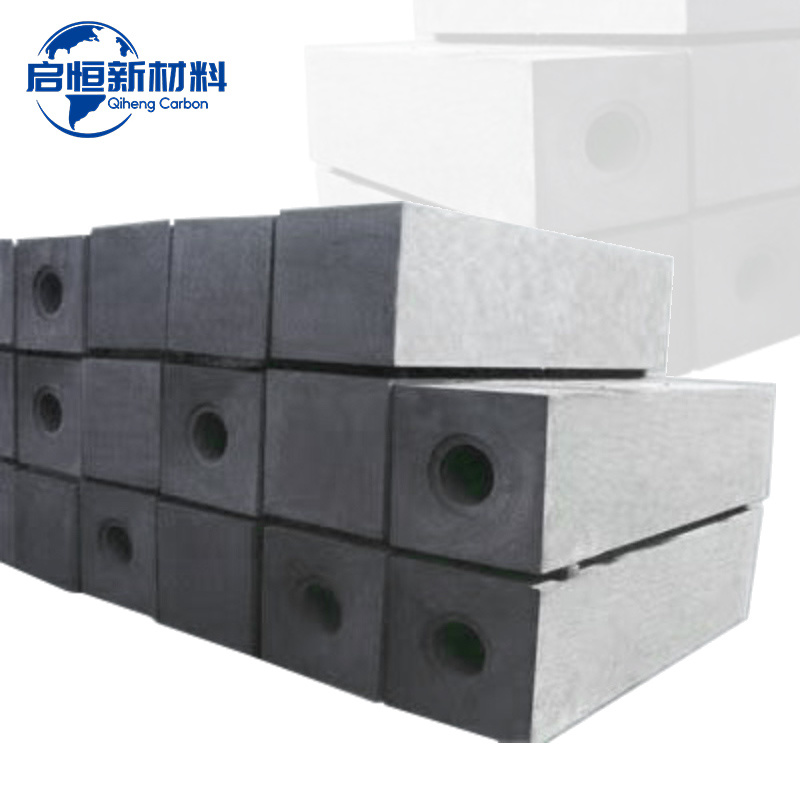
Graphite blocks are pivotal materials in the metallurgy and energy industries, particularly within the non-metallic mineral products sector. These blocks, made from natural or synthetic graphite, possess unique properties that make them suitable for a wide range of applications. One of the most notable characteristics of graphite is its excellent thermal and electrical conductivity. This property
Quick Navigation
Contact Us
Mobile:
+8618031071182(Mr. Chang)
+8613703203188(Mr. Guo)
Address: West of Zholangbao Village, Shangcheng Town, Chengan County, Handan City, Hebei Province
Alibaba Store: