

The Essential Role of Graphite Electrodes in Steel Making
Jan 03,2025


Summary:
In the steel-making industry, graphite electrodes play a pivotal role, especially in the operation of electric arc furnaces (EAFs). These electrodes facilitate the electrical arc that generates the heat necessary for melting scrap metal and other raw materials into molten steel. The use of graphite, a form of carbon with a layered structure, offers several advantages that are essential for high-pe
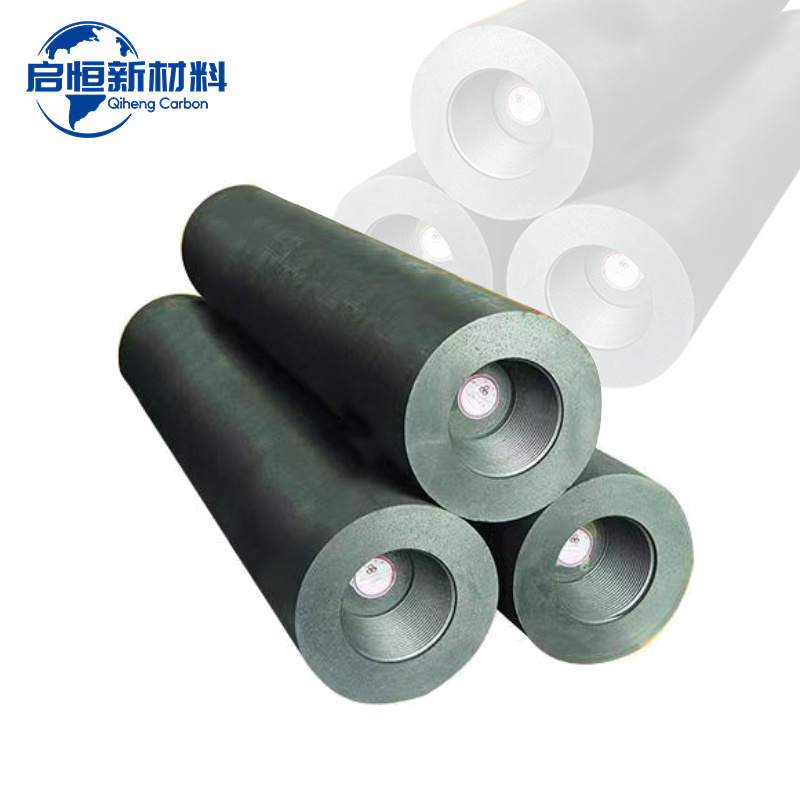
In the steel-making industry, graphite electrodes play a pivotal role, especially in the operation of electric arc furnaces (EAFs). These electrodes facilitate the electrical arc that generates the heat necessary for melting scrap metal and other raw materials into molten steel. The use of graphite, a form of carbon with a layered structure, offers several advantages that are essential for high-performance steel production.
One of the primary benefits of graphite electrodes is their excellent electrical conductivity. This property allows for efficient energy transfer during the melting process, which is crucial in achieving the high temperatures needed for steel production. Additionally, graphite electrodes can withstand extreme temperatures, often exceeding 3000°C, making them highly durable and effective in harsh operational conditions.
Another significant advantage of using graphite electrodes is their ability to minimize contamination in the steel-making process. Unlike other materials, graphite does not introduce unwanted elements during melting, thus ensuring the purity and quality of the steel produced. This characteristic is particularly important in industries where specific steel grades are required, such as in the automotive and aerospace sectors.
Furthermore, graphite electrodes are essential for the sustainability of steel production. The EAF process is generally more energy-efficient and environmentally friendly compared to traditional blast furnace methods. By utilizing recycled scrap metal and reducing the carbon footprint, the steel industry can contribute to a more sustainable future. The ability of graphite electrodes to effectively transfer energy plays a crucial role in this efficiency, as it helps reduce overall energy consumption during the melting process.
In addition to their performance benefits, graphite electrodes are also versatile. They can be produced in various sizes and specifications to meet the needs of different EAF designs and operational requirements. This flexibility allows steel manufacturers to optimize their processes and improve productivity.
As the steel industry continues to evolve, the demand for high-quality graphite electrodes is expected to grow. Innovations in production techniques and materials continue to enhance the properties of graphite electrodes, contributing to advancements in steel-making technology.
In conclusion, graphite electrodes are a vital component in the steel-making process, offering numerous benefits that enhance efficiency, quality, and sustainability. Their role in electric arc furnaces underscores their importance in modern metallurgy, making them indispensable for the production of high-quality steel. Understanding the significance of graphite electrodes can help industry professionals appreciate their impact on the future of steel manufacturing and the ongoing quest for improved methods and materials.
One of the primary benefits of graphite electrodes is their excellent electrical conductivity. This property allows for efficient energy transfer during the melting process, which is crucial in achieving the high temperatures needed for steel production. Additionally, graphite electrodes can withstand extreme temperatures, often exceeding 3000°C, making them highly durable and effective in harsh operational conditions.
Another significant advantage of using graphite electrodes is their ability to minimize contamination in the steel-making process. Unlike other materials, graphite does not introduce unwanted elements during melting, thus ensuring the purity and quality of the steel produced. This characteristic is particularly important in industries where specific steel grades are required, such as in the automotive and aerospace sectors.
Furthermore, graphite electrodes are essential for the sustainability of steel production. The EAF process is generally more energy-efficient and environmentally friendly compared to traditional blast furnace methods. By utilizing recycled scrap metal and reducing the carbon footprint, the steel industry can contribute to a more sustainable future. The ability of graphite electrodes to effectively transfer energy plays a crucial role in this efficiency, as it helps reduce overall energy consumption during the melting process.
In addition to their performance benefits, graphite electrodes are also versatile. They can be produced in various sizes and specifications to meet the needs of different EAF designs and operational requirements. This flexibility allows steel manufacturers to optimize their processes and improve productivity.
As the steel industry continues to evolve, the demand for high-quality graphite electrodes is expected to grow. Innovations in production techniques and materials continue to enhance the properties of graphite electrodes, contributing to advancements in steel-making technology.
In conclusion, graphite electrodes are a vital component in the steel-making process, offering numerous benefits that enhance efficiency, quality, and sustainability. Their role in electric arc furnaces underscores their importance in modern metallurgy, making them indispensable for the production of high-quality steel. Understanding the significance of graphite electrodes can help industry professionals appreciate their impact on the future of steel manufacturing and the ongoing quest for improved methods and materials.
Previous:
Focus On Hot Spots
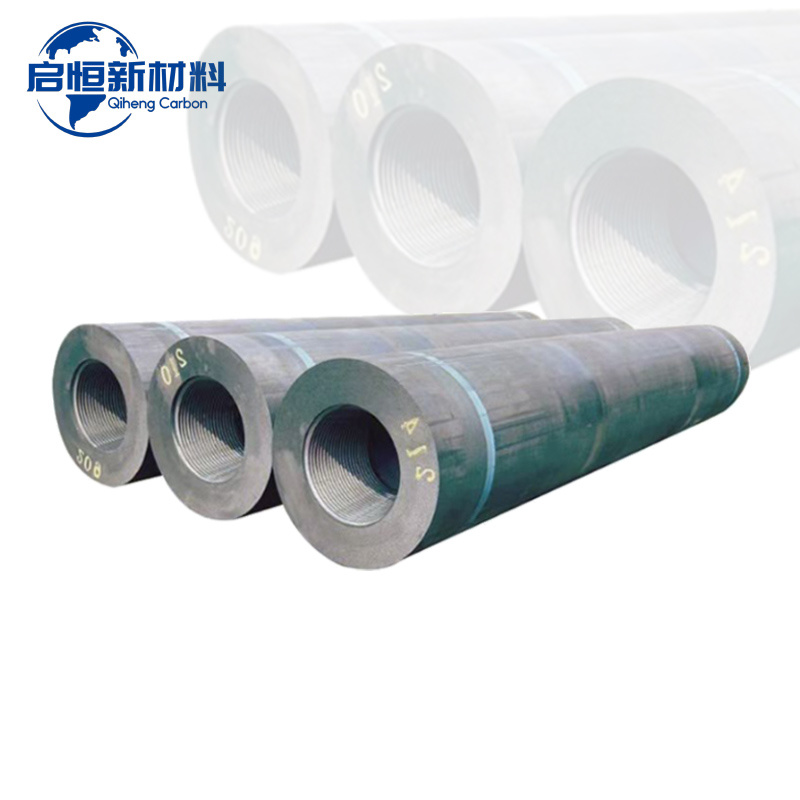
RP Graphite Electrodes: Transforming Conductivity in Metallurgical Processes
RP Graphite Electrodes: Enhancing Conductivity in Metallurgical Applications
Table of Contents
1. Introduction to RP Graphite Electrodes
2. Understanding Graphite and Its Properties
3. The Role of RP Graphite Electrodes in Metallurgy
4. Benefits of Using RP Graphite Electrodes
5. The Manufacturing Process of RP Graphite Electrodes
6. Applications of RP Graphite Electrodes
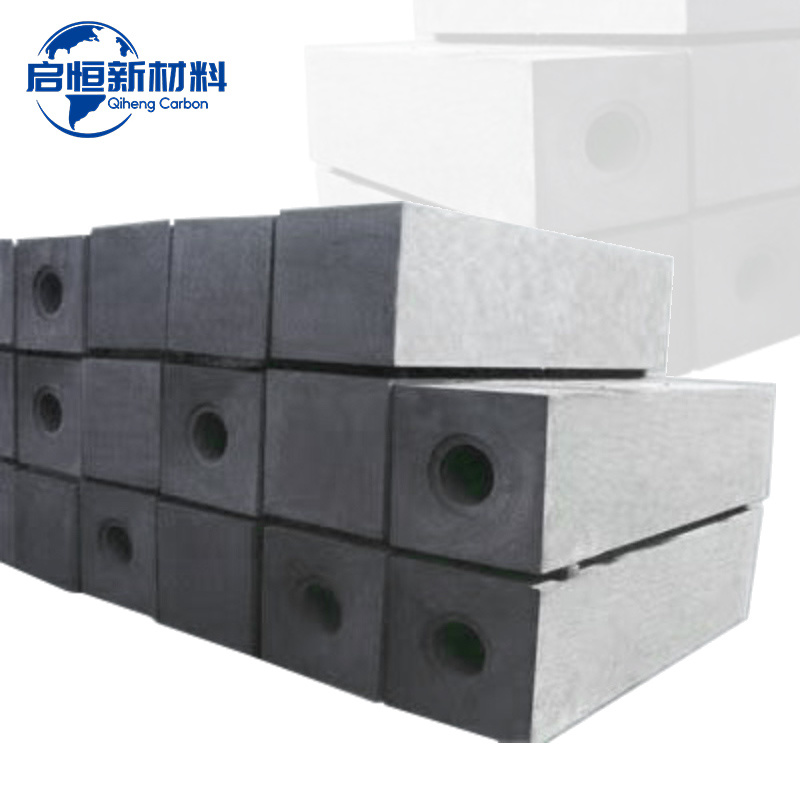
The Essential Guide to Graphite Blocks in Metallurgy and Energy Industries
Graphite blocks are pivotal materials in the metallurgy and energy industries, particularly within the non-metallic mineral products sector. These blocks, made from natural or synthetic graphite, possess unique properties that make them suitable for a wide range of applications. One of the most notable characteristics of graphite is its excellent thermal and electrical conductivity. This property
Quick Navigation
Contact Us
Mobile:
+8618031071182(Mr. Chang)
+8613703203188(Mr. Guo)
Address: West of Zholangbao Village, Shangcheng Town, Chengan County, Handan City, Hebei Province
Alibaba Store: