

Understanding Carbon Bricks: Applications and Benefits in Non-Metallic Products
Dec 21,2024


Summary:
Carbon bricks are specialized products made from carbon-based materials, primarily used in various high-temperature applications. These bricks play a crucial role in the metallurgy and energy sectors, particularly in the production of non-metallic mineral products such as graphite and carbon-based materials. Their unique properties make them ideal for use in challenging environments where resistan
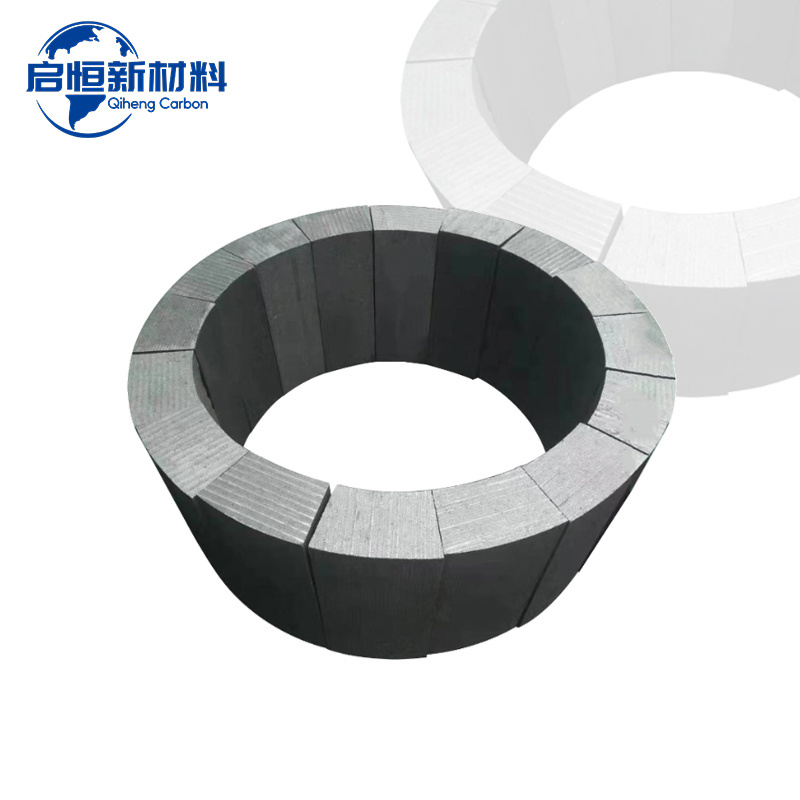
Carbon bricks are specialized products made from carbon-based materials, primarily used in various high-temperature applications. These bricks play a crucial role in the metallurgy and energy sectors, particularly in the production of non-metallic mineral products such as graphite and carbon-based materials. Their unique properties make them ideal for use in challenging environments where resistance to heat and chemical reactions is essential.
One of the primary functions of carbon bricks is to provide thermal insulation and protection in furnaces and kilns. Due to their high thermal conductivity, carbon bricks can withstand extreme temperatures, making them suitable for use in metal smelting, glass production, and various other high-temperature applications. This capability helps improve energy efficiency in industrial processes, as these bricks can maintain high temperatures while minimizing heat loss.
In addition to their thermal properties, carbon bricks are also known for their excellent mechanical strength. This characteristic is crucial in environments where physical stress and abrasion are prevalent. By utilizing carbon bricks, industries can enhance the durability of their equipment and reduce downtime caused by wear and tear. This longevity is particularly beneficial in sectors that require consistent operation, such as steel manufacturing and ceramics production.
Another significant advantage of carbon bricks is their chemical resistance. In many industrial applications, exposure to corrosive substances can damage materials, leading to costly repairs and maintenance. Carbon bricks, due to their inherent properties, resist chemical degradation, thereby extending the life of equipment and reducing overall operational costs.
Moreover, carbon bricks have a low coefficient of thermal expansion. This feature is particularly advantageous in applications that experience temperature fluctuations, as it minimizes the risk of thermal shock, which can lead to cracking or other forms of damage. The stability afforded by carbon bricks ensures that facilities can operate smoothly even under extreme thermal conditions.
In summary, carbon bricks represent a vital component in the metallurgy and energy sectors, especially in processes involving high temperatures and corrosive environments. Their thermal insulation, mechanical strength, chemical resistance, and low thermal expansion make them an ideal choice for a variety of industrial applications. As industries continue to evolve and seek more efficient materials, the role of carbon bricks is likely to grow, further highlighting their importance in non-metallic mineral products and carbon material manufacturing. Understanding the benefits and applications of carbon bricks can assist businesses in making informed decisions about their material choices, ultimately leading to improved efficiency and performance in their operations.
One of the primary functions of carbon bricks is to provide thermal insulation and protection in furnaces and kilns. Due to their high thermal conductivity, carbon bricks can withstand extreme temperatures, making them suitable for use in metal smelting, glass production, and various other high-temperature applications. This capability helps improve energy efficiency in industrial processes, as these bricks can maintain high temperatures while minimizing heat loss.
In addition to their thermal properties, carbon bricks are also known for their excellent mechanical strength. This characteristic is crucial in environments where physical stress and abrasion are prevalent. By utilizing carbon bricks, industries can enhance the durability of their equipment and reduce downtime caused by wear and tear. This longevity is particularly beneficial in sectors that require consistent operation, such as steel manufacturing and ceramics production.
Another significant advantage of carbon bricks is their chemical resistance. In many industrial applications, exposure to corrosive substances can damage materials, leading to costly repairs and maintenance. Carbon bricks, due to their inherent properties, resist chemical degradation, thereby extending the life of equipment and reducing overall operational costs.
Moreover, carbon bricks have a low coefficient of thermal expansion. This feature is particularly advantageous in applications that experience temperature fluctuations, as it minimizes the risk of thermal shock, which can lead to cracking or other forms of damage. The stability afforded by carbon bricks ensures that facilities can operate smoothly even under extreme thermal conditions.
In summary, carbon bricks represent a vital component in the metallurgy and energy sectors, especially in processes involving high temperatures and corrosive environments. Their thermal insulation, mechanical strength, chemical resistance, and low thermal expansion make them an ideal choice for a variety of industrial applications. As industries continue to evolve and seek more efficient materials, the role of carbon bricks is likely to grow, further highlighting their importance in non-metallic mineral products and carbon material manufacturing. Understanding the benefits and applications of carbon bricks can assist businesses in making informed decisions about their material choices, ultimately leading to improved efficiency and performance in their operations.
Focus On Hot Spots
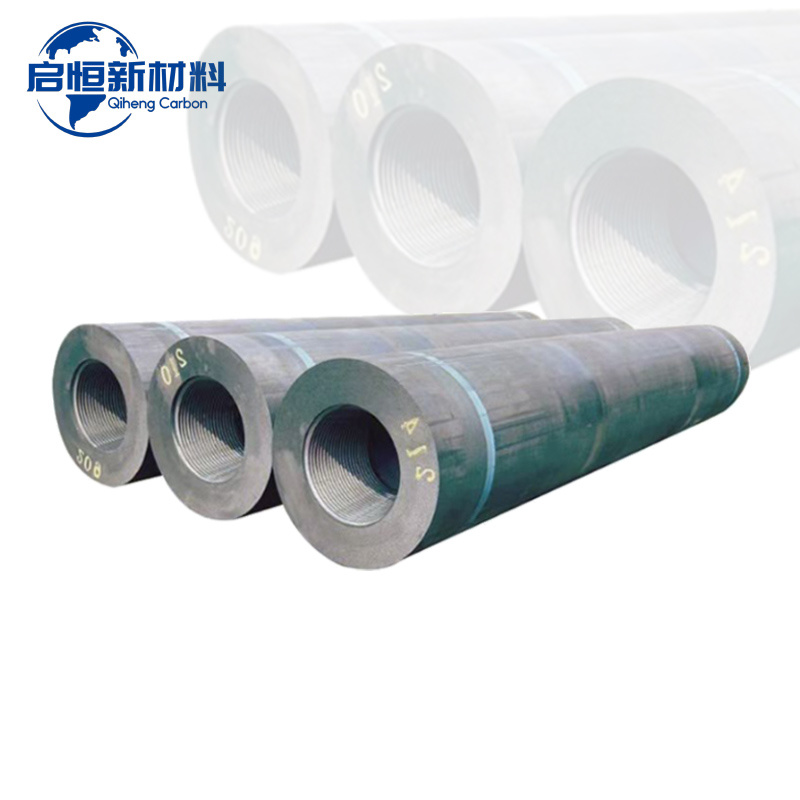
RP Graphite Electrodes: Transforming Conductivity in Metallurgical Processes
RP Graphite Electrodes: Enhancing Conductivity in Metallurgical Applications
Table of Contents
1. Introduction to RP Graphite Electrodes
2. Understanding Graphite and Its Properties
3. The Role of RP Graphite Electrodes in Metallurgy
4. Benefits of Using RP Graphite Electrodes
5. The Manufacturing Process of RP Graphite Electrodes
6. Applications of RP Graphite Electrodes
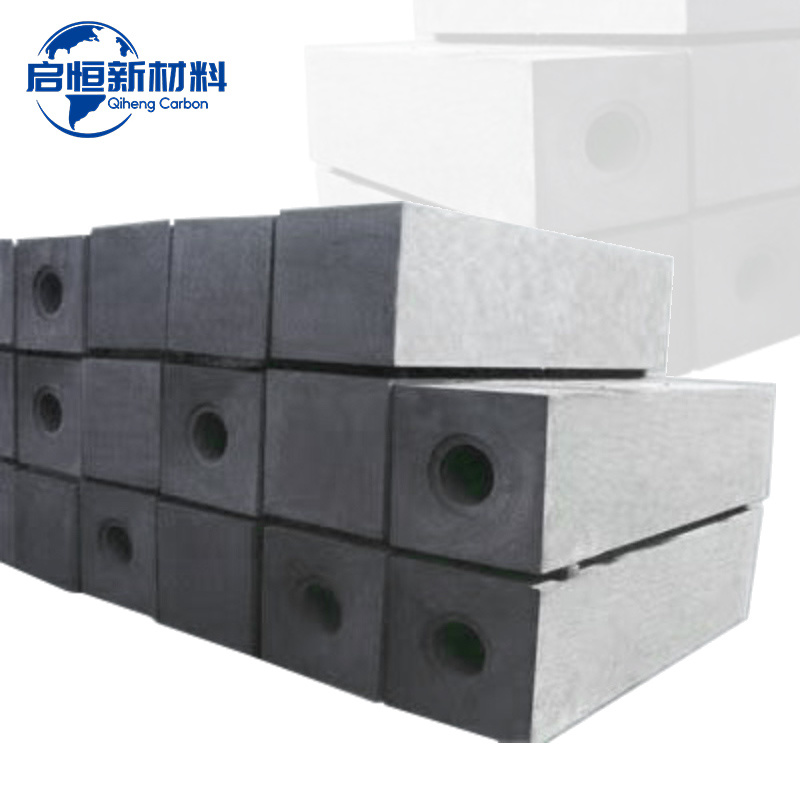
The Essential Guide to Graphite Blocks in Metallurgy and Energy Industries
Graphite blocks are pivotal materials in the metallurgy and energy industries, particularly within the non-metallic mineral products sector. These blocks, made from natural or synthetic graphite, possess unique properties that make them suitable for a wide range of applications. One of the most notable characteristics of graphite is its excellent thermal and electrical conductivity. This property
Quick Navigation
Contact Us
Mobile:
+8618031071182(Mr. Chang)
+8613703203188(Mr. Guo)
Address: West of Zholangbao Village, Shangcheng Town, Chengan County, Handan City, Hebei Province
Alibaba Store: