

Exploring the Role of Graphite Electrode Carbon Bricks in Metallurgy
Dec 15,2024


Summary:
Graphite electrode carbon bricks are advanced materials utilized primarily in the metallurgy sector, particularly in electric arc furnaces (EAF) and various other high-temperature applications. These carbon-based products are composed of high-purity graphite, which imparts exceptional thermal and electrical conductivity. Their unique properties make them indispensable in several processes, includi
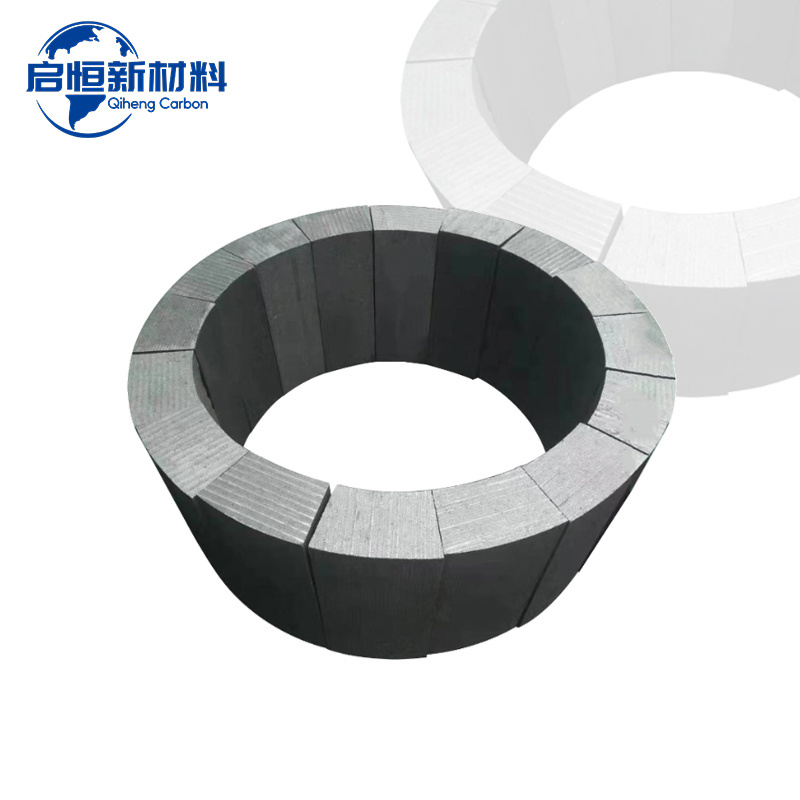
Graphite electrode carbon bricks are advanced materials utilized primarily in the metallurgy sector, particularly in electric arc furnaces (EAF) and various other high-temperature applications. These carbon-based products are composed of high-purity graphite, which imparts exceptional thermal and electrical conductivity. Their unique properties make them indispensable in several processes, including steel production, aluminum smelting, and the manufacturing of various alloys.
One of the primary advantages of graphite electrode carbon bricks is their superior thermal stability. They can withstand extreme temperatures, often exceeding 3000°C, making them ideal for environments where thermal shock is a concern. This stability not only prolongs the lifespan of the bricks but also enhances the overall efficiency of the furnaces in which they are used. Moreover, their high electrical conductivity ensures optimal power delivery during operations, resulting in reduced energy consumption and operational costs.
In addition to their thermal and electrical properties, graphite electrode carbon bricks exhibit excellent resistance to chemical corrosion. This characteristic is particularly beneficial in metallurgical processes where reactive materials are involved, as it helps to maintain the structural integrity of the bricks over time. By choosing high-quality graphite electrode carbon bricks, industries can minimize wear and tear, ultimately leading to increased productivity and reduced downtime.
Another notable feature of these bricks is their customizable nature. Manufacturers can tailor the composition and properties of graphite electrode carbon bricks to meet the specific requirements of various applications. This adaptability ensures that companies can achieve the optimal performance needed for their particular processes, whether that's dealing with different melting points or accommodating specific furnace designs.
When integrating graphite electrode carbon bricks into metallurgical operations, it's essential for professionals to consider factors such as the brick's thermal conductivity, density, and mechanical strength. Conducting a thorough analysis of these properties will enable companies to select the most suitable bricks for their applications, maximizing efficiency and output.
Furthermore, as industries strive towards more sustainable practices, graphite electrode carbon bricks can play a vital role in energy conservation. By enhancing the efficiency of electric arc furnaces, these materials help reduce the overall energy footprint of metal production processes, aligning with the global push for greener technologies.
In conclusion, graphite electrode carbon bricks are a critical component in the metallurgy industry, offering numerous advantages that contribute to improved operational efficiency and sustainability. Their unique properties, including thermal stability, electrical conductivity, and resistance to corrosion, make them an essential choice for professionals looking to enhance their metallurgical processes. Investing in high-quality graphite electrode carbon bricks can lead to significant long-term benefits, making them a valuable asset in the realm of non-metallic minerals.
One of the primary advantages of graphite electrode carbon bricks is their superior thermal stability. They can withstand extreme temperatures, often exceeding 3000°C, making them ideal for environments where thermal shock is a concern. This stability not only prolongs the lifespan of the bricks but also enhances the overall efficiency of the furnaces in which they are used. Moreover, their high electrical conductivity ensures optimal power delivery during operations, resulting in reduced energy consumption and operational costs.
In addition to their thermal and electrical properties, graphite electrode carbon bricks exhibit excellent resistance to chemical corrosion. This characteristic is particularly beneficial in metallurgical processes where reactive materials are involved, as it helps to maintain the structural integrity of the bricks over time. By choosing high-quality graphite electrode carbon bricks, industries can minimize wear and tear, ultimately leading to increased productivity and reduced downtime.
Another notable feature of these bricks is their customizable nature. Manufacturers can tailor the composition and properties of graphite electrode carbon bricks to meet the specific requirements of various applications. This adaptability ensures that companies can achieve the optimal performance needed for their particular processes, whether that's dealing with different melting points or accommodating specific furnace designs.
When integrating graphite electrode carbon bricks into metallurgical operations, it's essential for professionals to consider factors such as the brick's thermal conductivity, density, and mechanical strength. Conducting a thorough analysis of these properties will enable companies to select the most suitable bricks for their applications, maximizing efficiency and output.
Furthermore, as industries strive towards more sustainable practices, graphite electrode carbon bricks can play a vital role in energy conservation. By enhancing the efficiency of electric arc furnaces, these materials help reduce the overall energy footprint of metal production processes, aligning with the global push for greener technologies.
In conclusion, graphite electrode carbon bricks are a critical component in the metallurgy industry, offering numerous advantages that contribute to improved operational efficiency and sustainability. Their unique properties, including thermal stability, electrical conductivity, and resistance to corrosion, make them an essential choice for professionals looking to enhance their metallurgical processes. Investing in high-quality graphite electrode carbon bricks can lead to significant long-term benefits, making them a valuable asset in the realm of non-metallic minerals.
Focus On Hot Spots
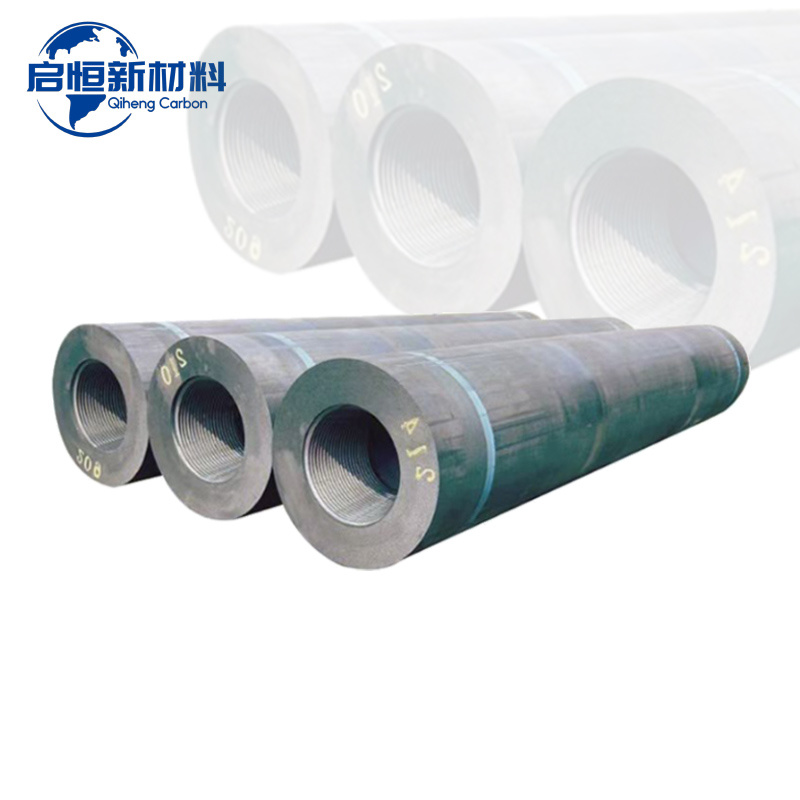
RP Graphite Electrodes: Transforming Conductivity in Metallurgical Processes
RP Graphite Electrodes: Enhancing Conductivity in Metallurgical Applications
Table of Contents
1. Introduction to RP Graphite Electrodes
2. Understanding Graphite and Its Properties
3. The Role of RP Graphite Electrodes in Metallurgy
4. Benefits of Using RP Graphite Electrodes
5. The Manufacturing Process of RP Graphite Electrodes
6. Applications of RP Graphite Electrodes
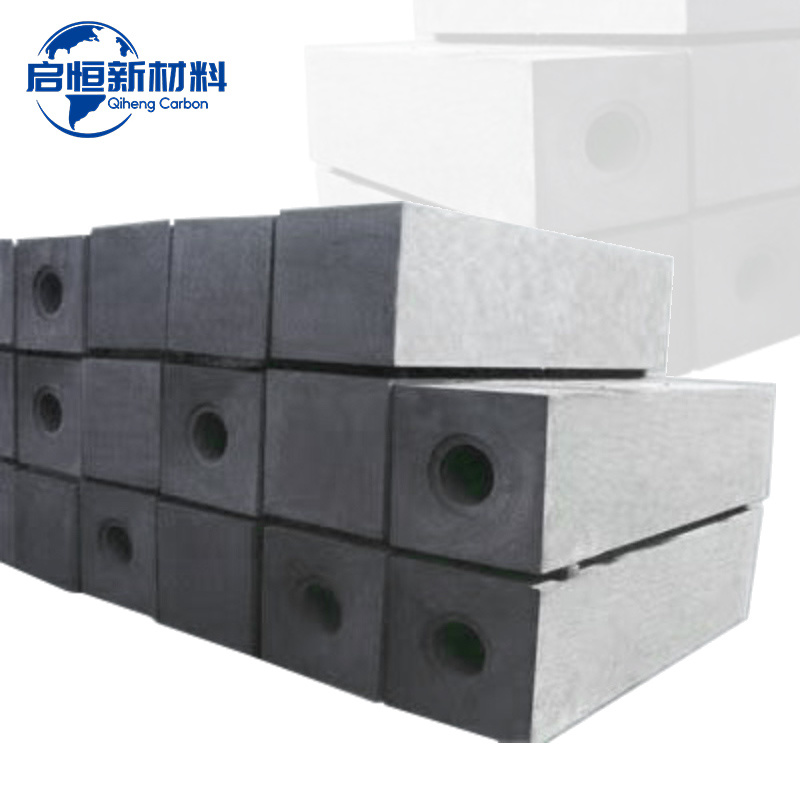
The Essential Guide to Graphite Blocks in Metallurgy and Energy Industries
Graphite blocks are pivotal materials in the metallurgy and energy industries, particularly within the non-metallic mineral products sector. These blocks, made from natural or synthetic graphite, possess unique properties that make them suitable for a wide range of applications. One of the most notable characteristics of graphite is its excellent thermal and electrical conductivity. This property
Quick Navigation
Contact Us
Mobile:
+8618031071182(Mr. Chang)
+8613703203188(Mr. Guo)
Address: West of Zholangbao Village, Shangcheng Town, Chengan County, Handan City, Hebei Province
Alibaba Store: