

Understanding the Critical Role of Carbon Graphite Electrodes in Steel Production
Dec 14,2024


Summary:
Understanding the Critical Role of Carbon Graphite Electrodes in Steel Production
Steel production is a cornerstone of modern infrastructure, and the processes involved are intricate and multifaceted. At the heart of this industry lies the carbon graphite electrode, a crucial component in electric arc furnaces (EAFs) that play a pivotal role in steel manufacturing. This article delves deep into th
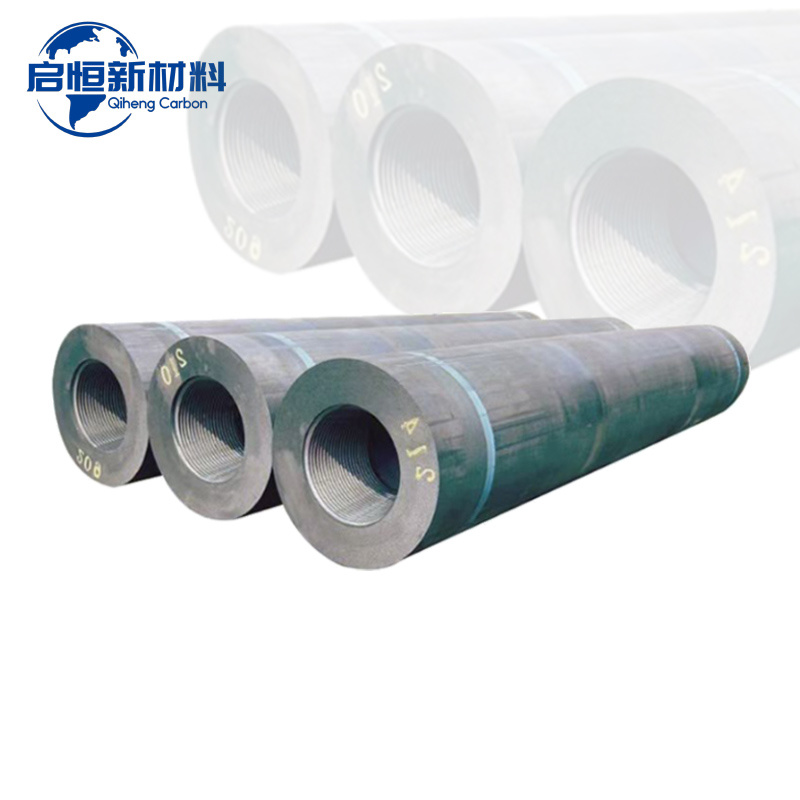
Understanding the Critical Role of Carbon Graphite Electrodes in Steel Production
Steel production is a cornerstone of modern infrastructure, and the processes involved are intricate and multifaceted. At the heart of this industry lies the carbon graphite electrode, a crucial component in electric arc furnaces (EAFs) that play a pivotal role in steel manufacturing. This article delves deep into the significance of carbon graphite electrodes, their applications, advantages, and the future of steel production.
Table of Contents
- What Are Carbon Graphite Electrodes?
- The Importance of Carbon Graphite Electrodes in Steel Production
- Manufacturing Process of Carbon Graphite Electrodes
- Types of Carbon Graphite Electrodes Used in Steelmaking
- Advantages of Using Carbon Graphite Electrodes in EAFs
- Challenges Faced by Carbon Graphite Electrodes
- The Future of Carbon Graphite Electrodes in Steel Production
- Frequently Asked Questions
What Are Carbon Graphite Electrodes?
Carbon graphite electrodes are cylindrical structures made from high-purity graphite. They serve as conductors of electricity in electric arc furnaces, where steelmaking occurs. The primary function of these electrodes is to carry electrical current to generate the intense heat required to melt scrap steel or direct reduced iron (DRI). Their unique properties, including high thermal conductivity, low electrical resistance, and excellent thermal shock resistance, make them ideal for this application.
Composition and Structure
The composition of carbon graphite electrodes typically includes a blend of petroleum coke and coal tar pitch. This raw material undergoes a series of processes, including baking, graphitization, and machining, to achieve the desired purity and electrical conductivity. The final product is a robust structure capable of withstanding extreme temperatures exceeding 3,000 degrees Celsius.
The Importance of Carbon Graphite Electrodes in Steel Production
In the realm of steel production, carbon graphite electrodes are indispensable. They not only facilitate the melting of steel but also enhance the steel quality through precise temperature control and uniform melting processes. The efficiency of electric arc furnaces heavily relies on the performance of these electrodes, which directly impacts the operational costs and environmental footprint of steel production.
Energy Efficiency
The use of carbon graphite electrodes in EAFs contributes significantly to energy efficiency. Electric arc furnaces are known for their lower energy consumption compared to traditional blast furnaces. By employing high-quality electrodes, manufacturers can optimize their operations, lowering energy costs while maintaining the desired steel quality.
Quality of Steel Produced
The quality of steel is paramount in various applications, from construction to automotive manufacturing. Carbon graphite electrodes allow for refined control over the melting process, leading to fewer impurities and a more homogeneous product. This precision ensures that the final steel meets stringent industry standards and customer specifications.
Manufacturing Process of Carbon Graphite Electrodes
The production of carbon graphite electrodes involves several key steps, each critical to ensuring the quality and performance of the final product. Below is a detailed breakdown of the manufacturing process.
1. Raw Material Selection
The initial step involves selecting high-quality raw materials, primarily petroleum coke and coal tar pitch. The properties of these materials significantly influence the performance of the electrodes.
2. Mixing and Impregnation
The selected raw materials are mixed and then subjected to a process known as impregnation, where coal tar pitch is used to bind the particles together, enhancing density and electrical conductivity.
3. Shaping
Once the mixture is prepared, it is molded into cylindrical shapes. The shaping process can be done through various methods, including extrusion or pressing.
4. Baking
The shaped electrodes are then baked at high temperatures in a controlled environment to remove volatile substances and achieve the desired density. This process is crucial for enhancing the mechanical strength of the electrodes.
5. Graphitization
After baking, the electrodes undergo graphitization, a process that transforms the carbon into graphite through exposure to extremely high temperatures (over 2,500 degrees Celsius). This step enhances their electrical conductivity.
6. Machining
The final stage involves precise machining to achieve the required dimensions and surface finishes. Proper machining is essential for ensuring optimal performance during use.
Types of Carbon Graphite Electrodes Used in Steelmaking
Various types of carbon graphite electrodes are designed for specific uses in steel production. Understanding these types is crucial for selecting the right electrodes for different applications.
1. Regular Power Electrodes
Regular power electrodes are commonly used in standard EAF applications. They offer a balance of performance and cost-effectiveness, making them suitable for various steel grades.
2. High Power Electrodes
These electrodes are designed for higher operational currents, providing greater melting efficiency. They are ideal for applications requiring rapid melting of large quantities of steel.
3. Ultra-High Power Electrodes
As the name suggests, ultra-high power electrodes are built for extreme conditions, capable of handling very high currents and temperatures. They are typically used in advanced steelmaking processes requiring exceptional performance.
Advantages of Using Carbon Graphite Electrodes in EAFs
The adoption of carbon graphite electrodes in steel production offers numerous advantages that contribute to their widespread use in the industry.
1. Environmental Benefits
Electric arc furnaces utilizing carbon graphite electrodes produce significantly lower carbon emissions compared to traditional blast furnaces. The ability to recycle scrap steel further enhances their sustainability profile.
2. Cost-Effectiveness
Although the initial investment in carbon graphite electrodes can be high, their durability and efficiency lead to lower operational costs over time. This cost-effectiveness is particularly important in a competitive market.
3. Versatility
Carbon graphite electrodes can be used for various steel grades and alloys, making them versatile tools in the steelmaking process. This adaptability allows manufacturers to meet diverse customer demands.
Challenges Faced by Carbon Graphite Electrodes
Despite their numerous advantages, carbon graphite electrodes also face challenges in the steel production landscape.
1. Price Volatility
The market for raw materials used in manufacturing carbon graphite electrodes can be volatile, leading to fluctuating prices that impact the overall cost of production.
2. Supply Chain Issues
Global supply chain disruptions can affect the availability of high-quality raw materials and finished electrodes. Manufacturers must navigate these challenges to maintain production schedules.
3. Environmental Concerns
While EAFs are generally more environmentally friendly than traditional methods, the production of carbon graphite electrodes still involves processes that can generate emissions and waste. Striking a balance between performance and environmental responsibility is crucial.
The Future of Carbon Graphite Electrodes in Steel Production
As the steel industry evolves, the role of carbon graphite electrodes is expected to grow even more significant. Innovations in technologies and materials are paving the way for improvements in electrode performance and sustainability.
1. Technological Advancements
Emerging technologies, such as advanced computer modeling and simulation, are helping manufacturers optimize electrode design and performance. These advancements enable more efficient and effective production processes.
2. Sustainability Initiatives
The industry is increasingly focusing on sustainability and reducing carbon footprints. Carbon graphite electrode manufacturers are exploring eco-friendly production methods and sourcing practices to meet these goals.
3. Increased Recycling Efforts
With the push towards a circular economy, the recycling of carbon graphite electrodes is gaining traction. Manufacturers are investigating ways to reclaim and repurpose materials to minimize waste.
Frequently Asked Questions
1. What is the primary function of carbon graphite electrodes in steel production?
The primary function of carbon graphite electrodes is to conduct electricity in electric arc furnaces, generating the heat needed to melt steel.
2. How does the use of carbon graphite electrodes impact energy efficiency?
Carbon graphite electrodes enhance energy efficiency by enabling electric arc furnaces to operate with lower energy consumption compared to traditional methods.
3. What are the different types of carbon graphite electrodes used in the industry?
There are three main types: regular power, high power, and ultra-high power electrodes, each designed for specific applications in steelmaking.
4. What challenges do carbon graphite electrodes face in the market?
Challenges include price volatility, supply chain issues, and environmental concerns related to their production.
5. How is the future of carbon graphite electrodes shaping up in steel production?
The future looks promising, with advancements in technology, a focus on sustainability, and increased recycling efforts expected to enhance their role in the industry.
Conclusion
In conclusion, carbon graphite electrodes are integral to the steel production process, playing a vital role in the operation of electric arc furnaces. Their unique properties contribute to energy efficiency, improved steel quality, and environmental benefits, making them indispensable in modern metallurgy. As the industry evolves, ongoing innovations and a commitment to sustainability will further enhance the importance of these electrodes, ensuring they remain at the forefront of steelmaking technologies for years to come.
Focus On Hot Spots
RP Graphite Electrodes: Transforming Conductivity in Metallurgical Processes
RP Graphite Electrodes: Enhancing Conductivity in Metallurgical Applications
Table of Contents
1. Introduction to RP Graphite Electrodes
2. Understanding Graphite and Its Properties
3. The Role of RP Graphite Electrodes in Metallurgy
4. Benefits of Using RP Graphite Electrodes
5. The Manufacturing Process of RP Graphite Electrodes
6. Applications of RP Graphite Electrodes
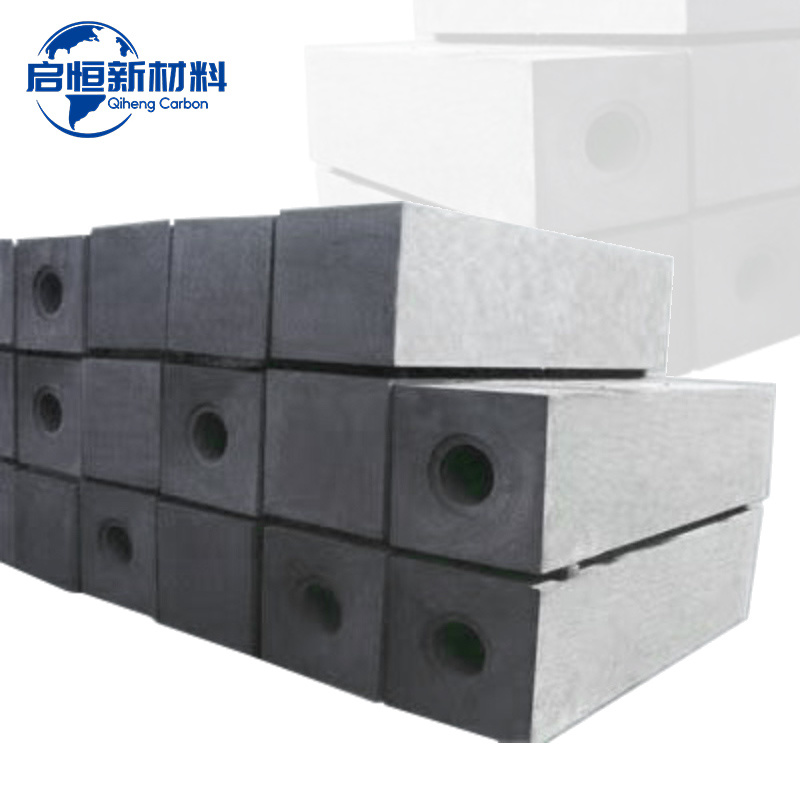
The Essential Guide to Graphite Blocks in Metallurgy and Energy Industries
Graphite blocks are pivotal materials in the metallurgy and energy industries, particularly within the non-metallic mineral products sector. These blocks, made from natural or synthetic graphite, possess unique properties that make them suitable for a wide range of applications. One of the most notable characteristics of graphite is its excellent thermal and electrical conductivity. This property
Quick Navigation
Contact Us
Mobile:
+8618031071182(Mr. Chang)
+8613703203188(Mr. Guo)
Address: West of Zholangbao Village, Shangcheng Town, Chengan County, Handan City, Hebei Province
Alibaba Store: