

The Essential Role of Graphite Electrodes in Steel Making Processes
Dec 13,2024


Summary:
Graphite electrodes play a crucial role in the steel-making process, specifically in electric arc furnaces (EAFs), which are widely used to recycle scrap metal and produce new steel. These electrodes are made primarily from petroleum coke and pitch, which are processed to create a high-purity graphite product. The unique properties of graphite, such as high electrical conductivity, thermal stabili
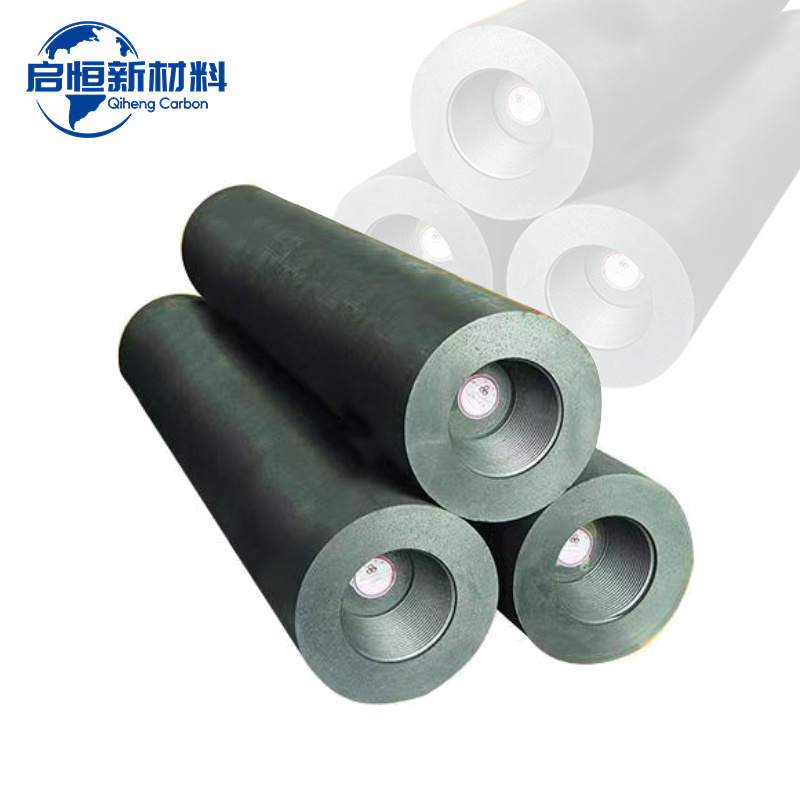
Graphite electrodes play a crucial role in the steel-making process, specifically in electric arc furnaces (EAFs), which are widely used to recycle scrap metal and produce new steel. These electrodes are made primarily from petroleum coke and pitch, which are processed to create a high-purity graphite product. The unique properties of graphite, such as high electrical conductivity, thermal stability, and resistance to oxidation, make these electrodes an indispensable component in steel manufacturing.
In an electric arc furnace, graphite electrodes serve as conductors of electricity, creating an electric arc that generates the extreme heat needed to melt scrap steel. The electrodes are inserted into the furnace and can reach temperatures exceeding 3,000 degrees Celsius. As the electric arc forms between the electrodes and the scrap material, it produces heat that melts the steel, allowing for the recycling of metal and the creation of new steel products.
One of the key advantages of using graphite electrodes in steel making is their excellent electrical conductivity. This property allows for efficient energy transfer, ensuring that the electric arc is sustained with minimal energy loss. The high thermal stability of graphite also means that it can withstand the intense conditions within the furnace without degrading, leading to longer service life and reduced operational costs.
Furthermore, graphite electrodes provide flexibility in the types of steel that can be produced. By adjusting the composition of the scrap metal and the processing parameters, steel manufacturers can create a variety of steel grades suitable for different applications. This versatility is increasingly important in a market that demands high-quality steel with specific properties.
Another significant factor in the use of graphite electrodes is their environmental impact. The electric arc furnace technology, coupled with the recycling of scrap metal, contributes to reduced CO2 emissions compared to traditional blast furnace methods. As the steel industry moves toward more sustainable practices, the role of graphite electrodes becomes even more critical.
In summary, graphite electrodes are not just components of the steel-making process; they are vital to the efficiency, quality, and sustainability of steel production. Their unique properties enable the effective melting of scrap metal, contributing to the creation of high-quality steel while also promoting environmentally friendly practices in the industry. As the demand for steel continues to grow, understanding the importance of graphite electrodes will help stakeholders appreciate their role in modern metallurgy and energy efficiency.
In an electric arc furnace, graphite electrodes serve as conductors of electricity, creating an electric arc that generates the extreme heat needed to melt scrap steel. The electrodes are inserted into the furnace and can reach temperatures exceeding 3,000 degrees Celsius. As the electric arc forms between the electrodes and the scrap material, it produces heat that melts the steel, allowing for the recycling of metal and the creation of new steel products.
One of the key advantages of using graphite electrodes in steel making is their excellent electrical conductivity. This property allows for efficient energy transfer, ensuring that the electric arc is sustained with minimal energy loss. The high thermal stability of graphite also means that it can withstand the intense conditions within the furnace without degrading, leading to longer service life and reduced operational costs.
Furthermore, graphite electrodes provide flexibility in the types of steel that can be produced. By adjusting the composition of the scrap metal and the processing parameters, steel manufacturers can create a variety of steel grades suitable for different applications. This versatility is increasingly important in a market that demands high-quality steel with specific properties.
Another significant factor in the use of graphite electrodes is their environmental impact. The electric arc furnace technology, coupled with the recycling of scrap metal, contributes to reduced CO2 emissions compared to traditional blast furnace methods. As the steel industry moves toward more sustainable practices, the role of graphite electrodes becomes even more critical.
In summary, graphite electrodes are not just components of the steel-making process; they are vital to the efficiency, quality, and sustainability of steel production. Their unique properties enable the effective melting of scrap metal, contributing to the creation of high-quality steel while also promoting environmentally friendly practices in the industry. As the demand for steel continues to grow, understanding the importance of graphite electrodes will help stakeholders appreciate their role in modern metallurgy and energy efficiency.
Focus On Hot Spots
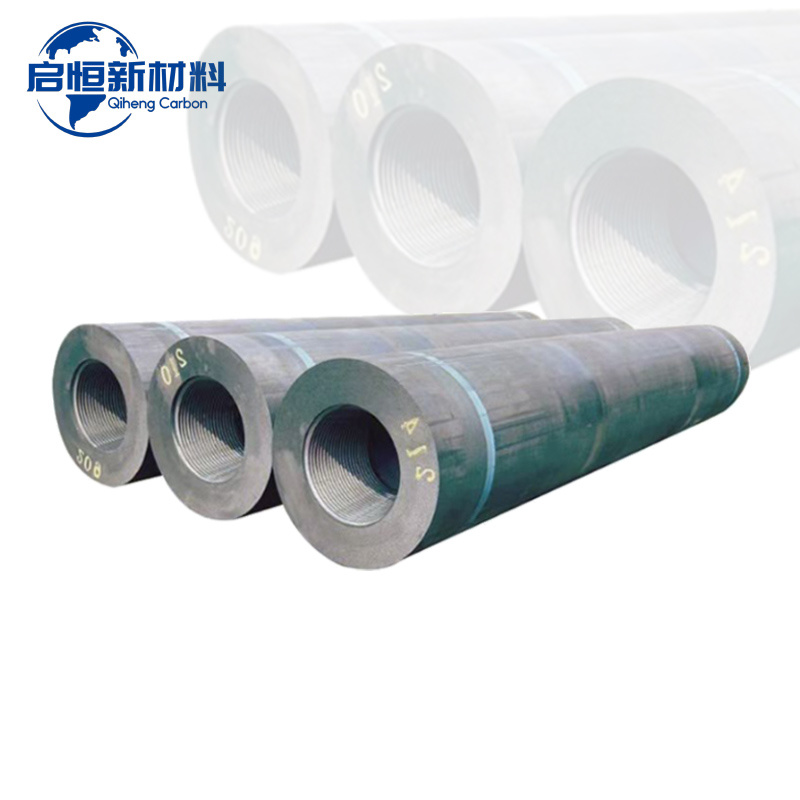
RP Graphite Electrodes: Transforming Conductivity in Metallurgical Processes
RP Graphite Electrodes: Enhancing Conductivity in Metallurgical Applications
Table of Contents
1. Introduction to RP Graphite Electrodes
2. Understanding Graphite and Its Properties
3. The Role of RP Graphite Electrodes in Metallurgy
4. Benefits of Using RP Graphite Electrodes
5. The Manufacturing Process of RP Graphite Electrodes
6. Applications of RP Graphite Electrodes
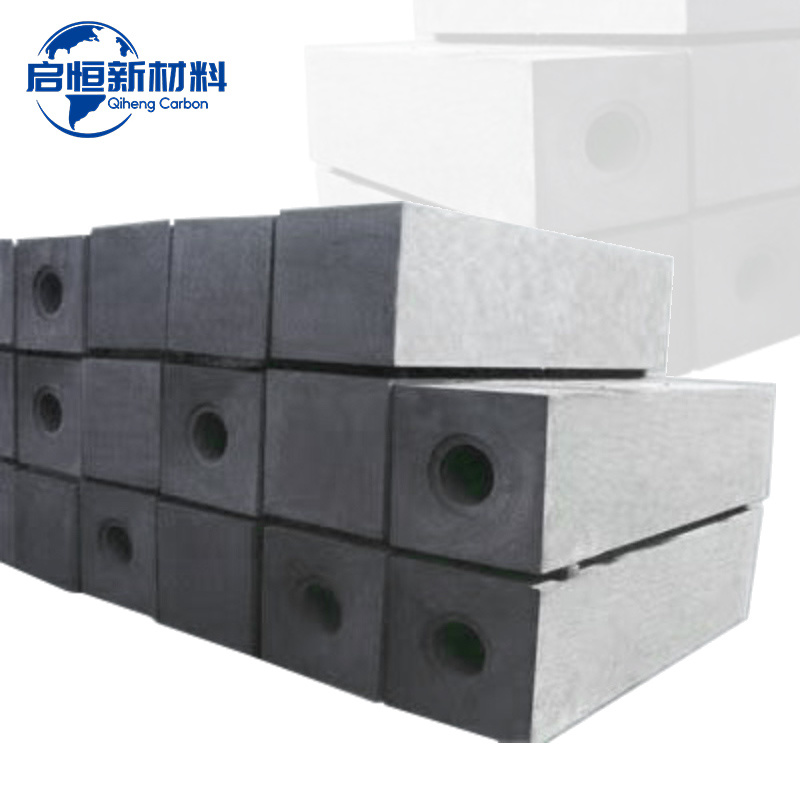
The Essential Guide to Graphite Blocks in Metallurgy and Energy Industries
Graphite blocks are pivotal materials in the metallurgy and energy industries, particularly within the non-metallic mineral products sector. These blocks, made from natural or synthetic graphite, possess unique properties that make them suitable for a wide range of applications. One of the most notable characteristics of graphite is its excellent thermal and electrical conductivity. This property
Quick Navigation
Contact Us
Mobile:
+8618031071182(Mr. Chang)
+8613703203188(Mr. Guo)
Address: West of Zholangbao Village, Shangcheng Town, Chengan County, Handan City, Hebei Province
Alibaba Store: