

Understanding the Manufacturing Process of RP Graphite Electrodes: A Comprehensive Guide
Sep 25,2025


Summary:
Understanding the Manufacturing Process of RP Graphite Electrodes
In the metallurgical and energy sectors, RP graphite electrodes play a crucial role in electric arc furnaces and other applications. Their production process is intricate, involving a series of carefully controlled steps that significantly influence their quality and performance. This article delves deep into the manufacturing proce
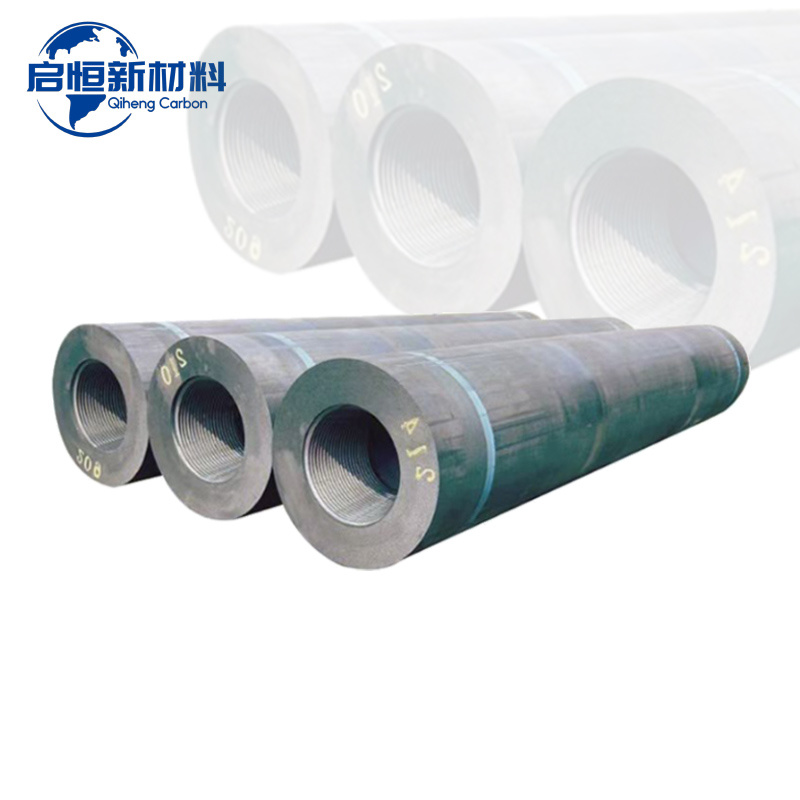
Understanding the Manufacturing Process of RP Graphite Electrodes
In the metallurgical and energy sectors, RP graphite electrodes play a crucial role in electric arc furnaces and other applications. Their production process is intricate, involving a series of carefully controlled steps that significantly influence their quality and performance. This article delves deep into the manufacturing process of RP graphite electrodes, highlighting the vital components, machinery, and methodologies that ensure top-notch production.
Table of Contents
1. Introduction to RP Graphite Electrodes
2. Raw Materials Used in RP Graphite Electrodes Production
3. Step-by-Step Manufacturing Process
- 3.1 Calcination of Petroleum Coke
- 3.2 Mixing and Batching
- 3.3 Forming the Electrodes
- 3.4 Baking Process
- 3.5 Graphitization
- 3.6 Machining and Quality Control
4. Applications of RP Graphite Electrodes
5. Advantages of Using RP Graphite Electrodes
6. Challenges in Manufacturing RP Graphite Electrodes
7. Future Trends in RP Graphite Electrodes Production
8. Conclusion
9. FAQs
Introduction to RP Graphite Electrodes
RP graphite electrodes, or Regular Power graphite electrodes, are essential components used primarily in electric arc furnaces (EAFs) for steel production and various other metallurgical processes. Their unique properties, including high thermal conductivity, mechanical strength, and resistance to thermal shock, make them ideal for high-temperature applications. Understanding the manufacturing process is crucial for professionals in metallurgy and energy sectors, as it directly influences the performance and efficiency of these electrodes.
Raw Materials Used in RP Graphite Electrodes Production
The quality of RP graphite electrodes is heavily reliant on the raw materials utilized during their production. The primary raw materials include:
- **Petroleum Coke**: The fundamental ingredient in RP graphite electrodes, petroleum coke is a carbon-rich byproduct derived from the oil refining process. Its properties, such as low sulfur content and high density, make it an ideal precursor for electrode manufacturing.
- **Pitch**: Coal tar pitch is employed as a binder to hold the petroleum coke particles together during the manufacturing process. The quality and characteristics of the pitch significantly impact the final electrode properties.
- **Additives**: Various additives may be introduced to enhance specific properties, such as conductivity and mechanical strength.
Understanding these materials and their roles in electrode performance is essential for ensuring the production of high-quality RP graphite electrodes.
Step-by-Step Manufacturing Process
The manufacturing of RP graphite electrodes involves several stages, each crucial in determining the final product's quality and performance.
3.1 Calcination of Petroleum Coke
The first step in the manufacturing process is the calcination of petroleum coke. This process involves heating the petroleum coke in a controlled environment at temperatures ranging from 1200°C to 1400°C. Calcination serves several purposes:
- **Removal of Volatiles**: Heating the petroleum coke expels volatile compounds, enhancing the carbon content.
- **Structure Enhancement**: The calcination process reorients the structure of the coke, increasing its mechanical strength, leading to improved electrode performance.
3.2 Mixing and Batching
Once calcination is complete, the next step is mixing. The calcined petroleum coke is blended with coal tar pitch and other additives, creating a homogeneous mixture. This step is vital for ensuring consistent properties throughout the electrodes. The mixing process typically involves:
- **Homogenization**: Thorough blending to ensure uniform distribution of pitch and additives.
- **Temperature Control**: Maintaining appropriate temperatures to ensure the pitch remains in a liquid state for effective binding.
3.3 Forming the Electrodes
The mixed material is then transferred to forming equipment, where it is shaped into electrodes. This is generally done using one of two methods:
- **Extrusion**: The mixture is forced through a die to create long cylindrical shapes. This method is often preferred for its efficiency and ability to produce uniform cross-sections.
- **Molding**: Alternatively, the mixture can be packed into molds to form electrodes. This method is suitable for producing electrodes of various sizes and shapes.
The forming process is critical, as it directly influences the density and structural integrity of the electrodes.
3.4 Baking Process
After forming, the electrodes undergo a baking process. This stage involves heating the formed electrodes in a baking furnace at temperatures between 1000°C and 1200°C. The baking process serves several essential functions:
- **Hardening**: The heat causes the pitch to carbonize, binding the petroleum coke particles together and creating a solid structure.
- **Volatile Removal**: Similar to calcination, the baking process also helps in removing any remaining volatiles, further enhancing the carbon content.
3.5 Graphitization
Following the baking process, the electrodes are subjected to graphitization at even higher temperatures, typically between 2500°C and 3000°C. This step is crucial for converting the carbon structure into graphite. Key aspects include:
- **Rearrangement of Carbon Atoms**: The high temperatures facilitate the rearrangement of carbon atoms into a hexagonal lattice structure, enhancing conductivity and thermal stability.
- **Improved Properties**: Graphitization significantly improves the performance characteristics of the electrodes, making them suitable for high-temperature applications.
3.6 Machining and Quality Control
The final steps in the manufacturing process involve machining and quality control. Machining includes cutting, shaping, and finishing the electrodes to meet specific dimensions and tolerances. Quality control measures are critical and typically involve:
- **Testing for Mechanical Properties**: Evaluating strength, flexibility, and density to ensure the electrodes meet industry standards.
- **Electrical Conductivity Tests**: Ensuring that the electrical properties are optimal for efficient performance in electric arc furnaces.
Applications of RP Graphite Electrodes
RP graphite electrodes are widely used in various applications, notably in steelmaking through electric arc furnaces. Other significant applications include:
- **Aluminum Production**: Used in smelting processes to produce aluminum from alumina.
- **Foundry Operations**: Employed in the production of cast iron and various metal alloys.
- **Manufacturing of Silicon and Other Alloys**: Essential in producing materials like silicon metal, which is crucial for electronics and solar panels.
The versatility and efficiency of RP graphite electrodes in these applications underscore their importance in modern metallurgy and energy production.
Advantages of Using RP Graphite Electrodes
The use of RP graphite electrodes offers several advantages, making them a preferred choice in various applications:
- **High Thermal Conductivity**: This allows for efficient heat transfer during the melting process, leading to energy savings.
- **Mechanical Strength**: RP graphite electrodes exhibit excellent strength, ensuring durability under extreme conditions.
- **Resistance to Thermal Shock**: The ability to withstand rapid temperature changes without cracking enhances their longevity.
- **Cost-Effectiveness**: Despite the initial investment, their efficiency and low maintenance requirements make them a cost-effective solution in the long run.
Challenges in Manufacturing RP Graphite Electrodes
Despite their advantages, several challenges persist in the manufacturing of RP graphite electrodes:
- **Quality Control**: Consistently maintaining high-quality standards can be difficult due to variations in raw materials and production processes.
- **Environmental Impact**: The manufacturing process can generate emissions and waste products, necessitating effective waste management strategies.
- **Market Volatility**: Fluctuations in raw material prices can impact production costs and profitability.
Addressing these challenges requires ongoing innovation and investment in technology and processes.
Future Trends in RP Graphite Electrodes Production
As industries evolve, we anticipate several trends shaping the future of RP graphite electrode production:
- **Sustainability Initiatives**: Increased focus on reducing environmental impacts through cleaner production technologies and waste minimization.
- **Technological Advancements**: Innovations in production methods and materials may enhance electrode performance and lower costs.
- **Customization**: Growing demand for customized electrode solutions tailored to specific applications and requirements.
- **Market Expansion**: As emerging economies develop their metallurgical capabilities, the global demand for RP graphite electrodes is likely to increase.
Staying abreast of these trends will be essential for manufacturers looking to maintain competitiveness in a dynamic market.
Conclusion
In conclusion, the manufacturing process of RP graphite electrodes is a complex and meticulous endeavor that requires a deep understanding of materials, engineering, and quality control. From the initial calcination of petroleum coke to the final machining and testing stages, each step plays a crucial role in determining the quality and performance of these essential components. With continuous advancements and a focus on sustainability, the future of RP graphite electrodes looks promising, ensuring their vital role in the metallurgical and energy industries for years to come.
FAQs
What are RP graphite electrodes used for?
RP graphite electrodes are primarily used in electric arc furnaces for steelmaking, as well as in the production of aluminum and various metal alloys.
How are RP graphite electrodes manufactured?
The manufacturing process involves several stages, including calcination, mixing, forming, baking, graphitization, and machining, each critical in determining the electrode's final properties.
What materials are used in RP graphite electrodes?
The primary materials include petroleum coke, coal tar pitch, and various additives. These raw materials influence the mechanical and electrical properties of the electrodes.
What are the advantages of using RP graphite electrodes?
Key advantages include high thermal conductivity, mechanical strength, resistance to thermal shock, and cost-effectiveness over their operational lifespan.
What challenges do manufacturers face in producing RP graphite electrodes?
Manufacturers face challenges such as maintaining consistent quality, managing environmental impacts, and navigating raw material price volatility.
What are the future trends in RP graphite electrodes production?
Future trends include a focus on sustainability, technological advancements in production methods, customization of electrodes, and market expansion in emerging economies.
Focus On Hot Spots
RP Graphite Electrodes: Transforming Conductivity in Metallurgical Processes
RP Graphite Electrodes: Enhancing Conductivity in Metallurgical Applications
Table of Contents
1. Introduction to RP Graphite Electrodes
2. Understanding Graphite and Its Properties
3. The Role of RP Graphite Electrodes in Metallurgy
4. Benefits of Using RP Graphite Electrodes
5. The Manufacturing Process of RP Graphite Electrodes
6. Applications of RP Graphite Electrodes
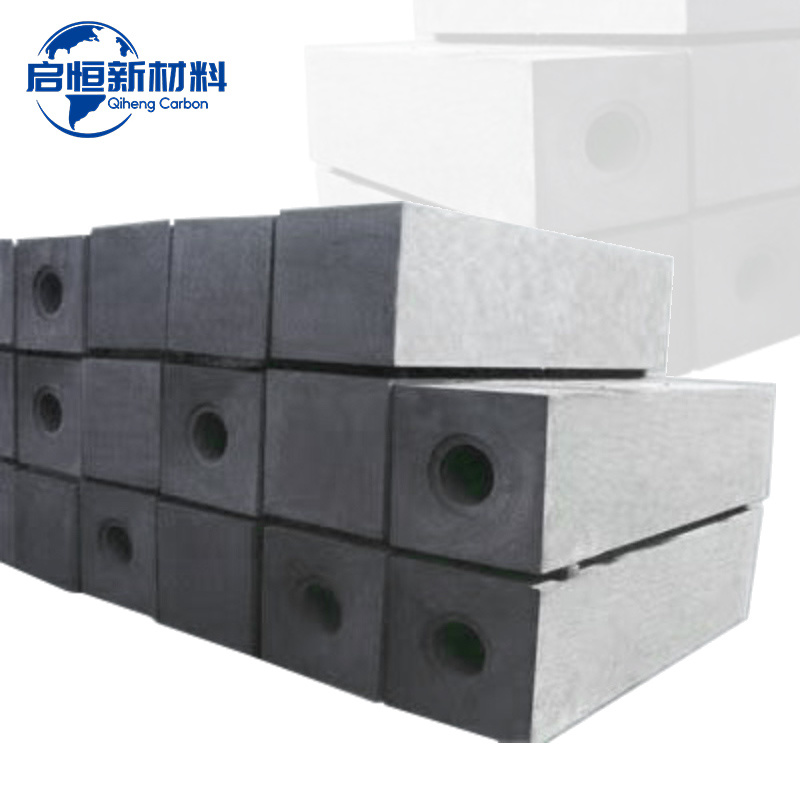
The Essential Guide to Graphite Blocks in Metallurgy and Energy Industries
Graphite blocks are pivotal materials in the metallurgy and energy industries, particularly within the non-metallic mineral products sector. These blocks, made from natural or synthetic graphite, possess unique properties that make them suitable for a wide range of applications. One of the most notable characteristics of graphite is its excellent thermal and electrical conductivity. This property
Quick Navigation
Contact Us
Mobile:
+8618031071182(Mr. Chang)
+8613703203188(Mr. Guo)
Address: West of Zholangbao Village, Shangcheng Town, Chengan County, Handan City, Hebei Province
Alibaba Store: