

Top Industries Benefiting from Carbon Graphite Electrode Technology: A Comprehensive Analysis
Aug 31,2025


Summary:
Introduction to Carbon Graphite Electrode Technology
In the ever-evolving landscape of industrial applications, carbon graphite electrode technology has emerged as a vital component. This technology plays a foundational role in various sectors, particularly in metallurgical processes and energy production. By understanding the unique properties and benefits of carbon graphite electrodes, industrie
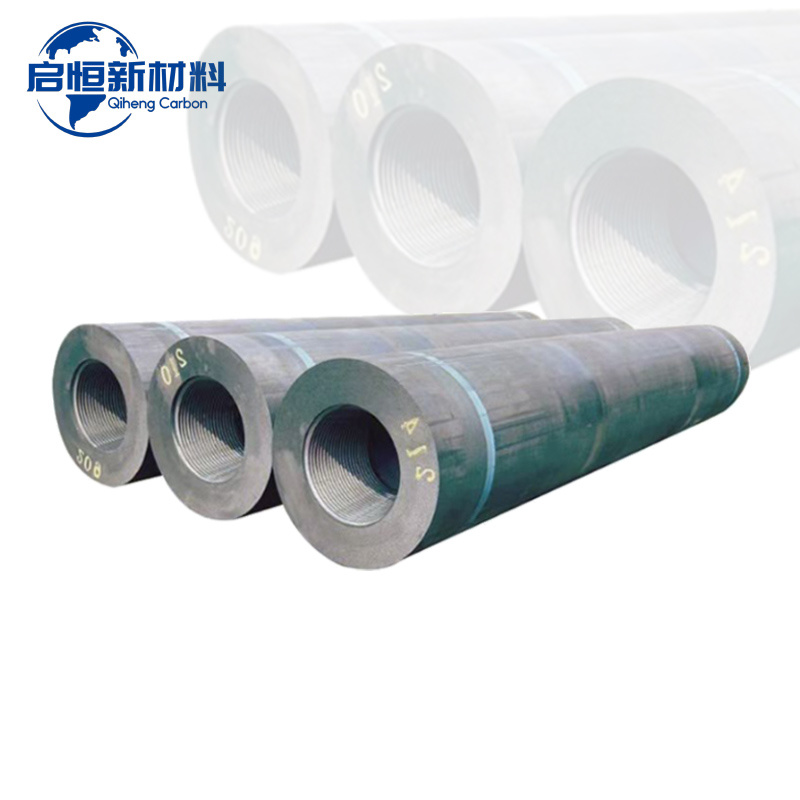
Introduction to Carbon Graphite Electrode Technology
In the ever-evolving landscape of industrial applications, carbon graphite electrode technology has emerged as a vital component. This technology plays a foundational role in various sectors, particularly in metallurgical processes and energy production. By understanding the unique properties and benefits of carbon graphite electrodes, industries can significantly enhance their operational efficiency and sustainability.
What are Carbon Graphite Electrodes?
Carbon graphite electrodes are cylindrical electrodes made from carbon and graphite materials. They are primarily used in electric arc furnaces (EAF) for steelmaking and other metallurgical processes. Their exceptional conductivity, thermal resistance, and mechanical strength make them ideal for high-temperature environments.
The Production Process of Carbon Graphite Electrodes
The manufacturing process of carbon graphite electrodes involves several critical steps:
1. **Raw Material Selection**: High-quality petroleum coke and pitch are selected as the primary raw materials.
2. **Calcination**: The petroleum coke is heated in a calcining furnace to remove volatile materials and enhance its electrical conductivity.
3. **Mixing**: The calcined coke is mixed with pitch to form a paste.
4. **Molding**: This paste is then molded into the desired shape of the electrode.
5. **Baking**: The molded electrodes are baked at high temperatures to transform them into carbon products.
6. **Graphitization**: Finally, the electrodes undergo graphitization, which further enhances their conductivity and thermal resistance.
Key Industries Leveraging Carbon Graphite Electrode Technology
The versatility of carbon graphite electrodes allows them to make significant impacts across various industries. Here, we examine some of the primary sectors benefiting from this technology.
1. Steel Manufacturing
Steel manufacturing is the most prominent industry utilizing carbon graphite electrodes, particularly in electric arc furnaces (EAF). EAFs are revolutionizing steel production by offering a more energy-efficient and environmentally friendly alternative to traditional blast furnaces.
- **Efficiency Gains**: The use of carbon graphite electrodes in EAFs significantly reduces energy consumption, lowering operational costs.
- **Sustainability**: EAFs produce fewer carbon emissions compared to traditional methods, aligning with global sustainability goals.
2. Aluminum Production
In the aluminum industry, carbon graphite electrodes are crucial for the electrolysis process used in aluminum smelting.
- **Enhanced Conductivity**: The high conductivity of graphite electrodes ensures efficient aluminum production, maximizing yield and minimizing waste.
- **Cost-Effectiveness**: These electrodes help in reducing the overall energy costs associated with aluminum extraction.
3. Renewable Energy Initiatives
As the world shifts towards renewable energy, carbon graphite electrodes play a pivotal role in battery technology, particularly in lithium-ion batteries.
- **Battery Performance**: The use of carbon graphite in anodes enhances battery efficiency and lifespan, essential for electric vehicles (EVs) and energy storage systems.
- **Innovation**: Ongoing research is focused on optimizing graphite materials for better energy storage solutions.
4. Foundries and Casting
Foundries utilize carbon graphite electrodes for various casting processes, including the melting of metals.
- **Heat Resistance**: The electrodes can withstand extreme temperatures, making them ideal for melting ferrous and non-ferrous metals.
- **Durability**: Their long lifespan minimizes downtime and maintenance costs, contributing to higher productivity.
5. Chemical Industry Applications
In the chemical sector, carbon graphite electrodes are used in electrochemical applications, such as chlor-alkali production.
- **Electrolysis Efficiency**: The electrodes improve the efficiency of electrolysis processes, leading to higher output and lower energy consumption.
- **Material Versatility**: The chemical resistance of graphite makes it suitable for various aggressive environments.
Advantages of Carbon Graphite Electrode Technology
The adoption of carbon graphite electrodes offers numerous advantages across these industries, contributing to operational improvements and cost savings.
1. Environmental Benefits
Carbon graphite electrodes contribute to reduced greenhouse gas emissions and lower energy consumption, making them a sustainable choice for industries aiming to adhere to environmental regulations.
2. Enhanced Performance
The superior thermal and electrical conductivity of graphite electrodes ensures efficient energy transfer, leading to improved performance in industrial applications.
3. Cost-Effectiveness
By minimizing energy usage and reducing maintenance costs, carbon graphite electrodes provide long-term cost savings for manufacturers.
Future Trends in Carbon Graphite Electrode Technology
As industries continue to innovate, the future of carbon graphite electrode technology looks promising. Key trends to watch include:
1. Advancements in Material Science
Ongoing research into new materials and composites will enhance the properties of carbon graphite electrodes, making them even more efficient and durable.
2. Increased Demand for Electric Vehicles
With the rise of electric vehicles and energy storage systems, the demand for high-performance carbon graphite electrodes is expected to increase significantly.
3. Automation and Smart Manufacturing
The integration of smart manufacturing technologies will optimize the use of carbon graphite electrodes, improving production efficiency and resource management.
FAQs About Carbon Graphite Electrode Technology
1. What are the primary applications of carbon graphite electrodes?
Carbon graphite electrodes are primarily used in steel manufacturing, aluminum production, battery technology, foundries, and electrochemical processes in the chemical industry.
2. How do carbon graphite electrodes contribute to sustainability?
They reduce energy consumption and greenhouse gas emissions in various industrial processes, aligning with global sustainability goals.
3. What materials are used to produce carbon graphite electrodes?
The main materials are petroleum coke and pitch, which undergo several manufacturing processes including calcination, baking, and graphitization.
4. What are the advantages of using carbon graphite electrodes over traditional electrodes?
Carbon graphite electrodes offer superior conductivity, thermal resistance, longer lifespan, and lower operational costs.
5. What is the future outlook for carbon graphite electrode technology?
As industries evolve, advancements in material science, increased electric vehicle demand, and automation trends will drive the growth of carbon graphite electrode technology.
Conclusion
The impact of carbon graphite electrodes on various industries cannot be overstated. From enhancing steel production to revolutionizing battery technology, their benefits are manifold. As we move forward into a more sustainable and technologically advanced future, the role of carbon graphite electrode technology will likely expand, driving innovation and improving efficiency across multiple sectors. Embracing this technology will not only enhance operational capabilities but also contribute to global environmental objectives, making it a critical component in the industrial realm.
Focus On Hot Spots
RP Graphite Electrodes: Transforming Conductivity in Metallurgical Processes
RP Graphite Electrodes: Enhancing Conductivity in Metallurgical Applications
Table of Contents
1. Introduction to RP Graphite Electrodes
2. Understanding Graphite and Its Properties
3. The Role of RP Graphite Electrodes in Metallurgy
4. Benefits of Using RP Graphite Electrodes
5. The Manufacturing Process of RP Graphite Electrodes
6. Applications of RP Graphite Electrodes
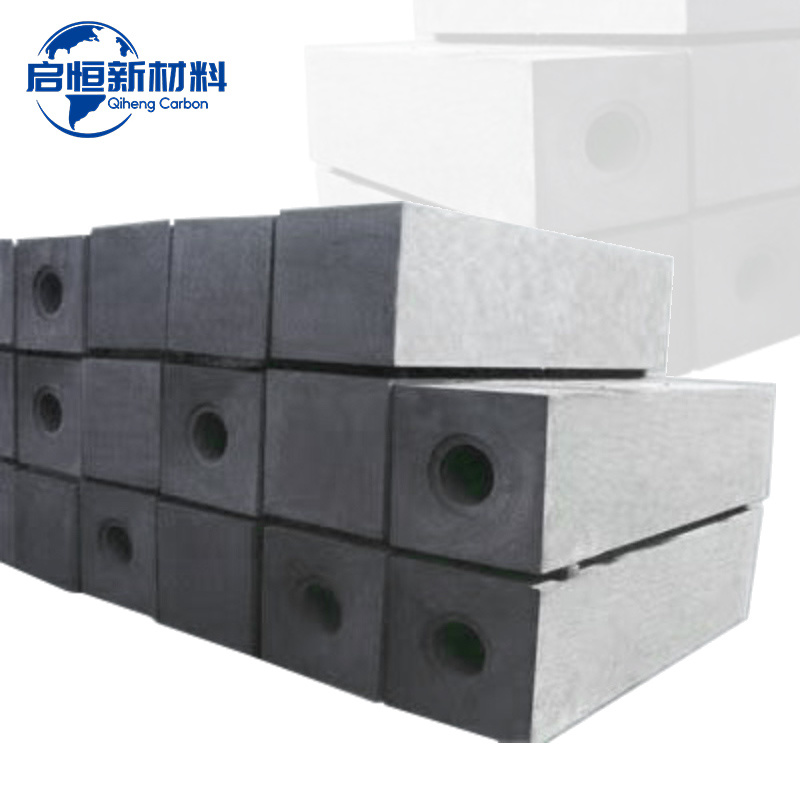
The Essential Guide to Graphite Blocks in Metallurgy and Energy Industries
Graphite blocks are pivotal materials in the metallurgy and energy industries, particularly within the non-metallic mineral products sector. These blocks, made from natural or synthetic graphite, possess unique properties that make them suitable for a wide range of applications. One of the most notable characteristics of graphite is its excellent thermal and electrical conductivity. This property
Quick Navigation
Contact Us
Mobile:
+8618031071182(Mr. Chang)
+8613703203188(Mr. Guo)
Address: West of Zholangbao Village, Shangcheng Town, Chengan County, Handan City, Hebei Province
Alibaba Store: