

Understanding HP Graphite Electrode: Key Insights for Metallurgical Applications
Aug 28,2025


Summary:
HP graphite electrodes are essential components in various metallurgical processes, particularly in electric arc furnaces (EAF) and for the production of ferroalloys. These electrodes are characterized by their high thermal conductivity, excellent electrical conductivity, and remarkable mechanical strength. As the demand for steel and other metals continues to rise globally, understanding the attr
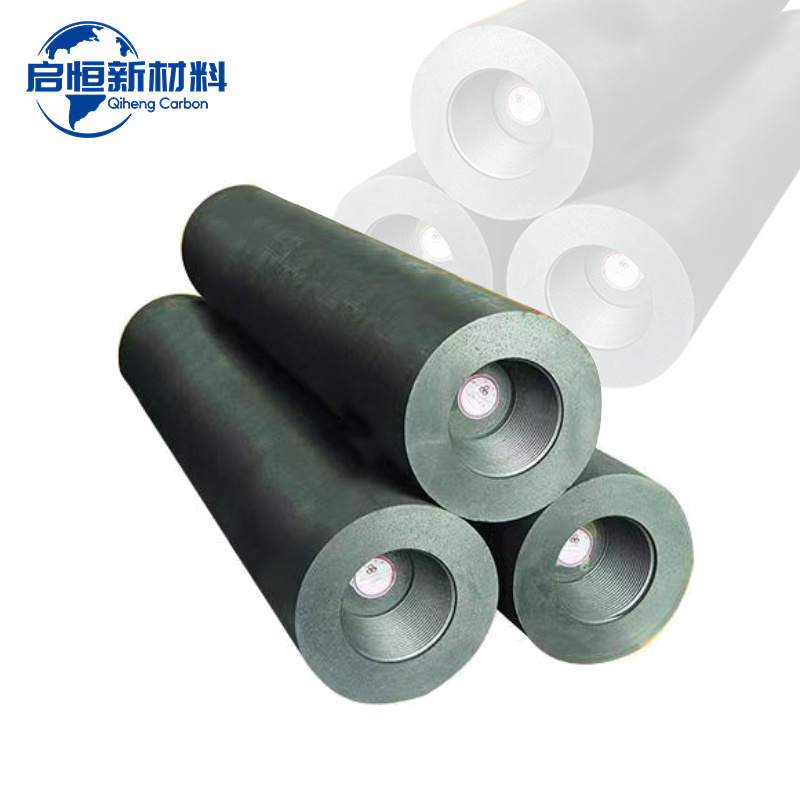
HP graphite electrodes are essential components in various metallurgical processes, particularly in electric arc furnaces (EAF) and for the production of ferroalloys. These electrodes are characterized by their high thermal conductivity, excellent electrical conductivity, and remarkable mechanical strength. As the demand for steel and other metals continues to rise globally, understanding the attributes and applications of HP graphite electrodes becomes vital for industries involved in non-metallic minerals and energy.
One of the primary functions of HP graphite electrodes is to facilitate the electrical arc that melts scrap metal in EAFs. The high purity levels of the graphite used in these electrodes ensure minimal contamination of the molten metal, which is crucial for producing high-quality steel. Moreover, the structure of HP graphite provides excellent thermal resistance, allowing the electrodes to withstand extreme temperatures that can exceed 3,000 degrees Celsius during the melting process.
In addition to their thermal and electrical properties, HP graphite electrodes exhibit outstanding mechanical strength even at elevated temperatures. This robustness ensures durability and longevity, reducing the frequency of electrode replacements and thereby minimizing operational downtime. The efficiency of HP graphite electrodes also translates into energy savings, as their superior conductivity allows for effective heat transfer, making them an environmentally friendly choice in metallurgical applications.
Furthermore, the production process of HP graphite electrodes involves careful selection of raw materials and precise manufacturing techniques. These electrodes are typically made from high-quality petroleum or needle coke, which undergoes multiple stages of processing, including shaping, baking, and graphitization. This meticulous approach results in electrodes with exceptional performance characteristics, ideal for high-demand applications.
It is also worth noting that the performance of HP graphite electrodes can be influenced by factors such as the composition of the raw materials, the manufacturing process, and the specific operational conditions in which they are used. Therefore, continuous advancements in technology and material science are vital for optimizing electrode performance and addressing the evolving needs of the metallurgical industry.
In conclusion, HP graphite electrodes play a crucial role in the metallurgical sector, providing essential support for efficient metal production. Their superior properties such as high thermal and electrical conductivity, mechanical strength, and low impurity levels make them a preferred choice for various applications. As the industry continues to grow and evolve, staying informed about the innovations and best practices related to HP graphite electrodes will be key for professionals in metallurgy and non-metallic mineral sectors.
One of the primary functions of HP graphite electrodes is to facilitate the electrical arc that melts scrap metal in EAFs. The high purity levels of the graphite used in these electrodes ensure minimal contamination of the molten metal, which is crucial for producing high-quality steel. Moreover, the structure of HP graphite provides excellent thermal resistance, allowing the electrodes to withstand extreme temperatures that can exceed 3,000 degrees Celsius during the melting process.
In addition to their thermal and electrical properties, HP graphite electrodes exhibit outstanding mechanical strength even at elevated temperatures. This robustness ensures durability and longevity, reducing the frequency of electrode replacements and thereby minimizing operational downtime. The efficiency of HP graphite electrodes also translates into energy savings, as their superior conductivity allows for effective heat transfer, making them an environmentally friendly choice in metallurgical applications.
Furthermore, the production process of HP graphite electrodes involves careful selection of raw materials and precise manufacturing techniques. These electrodes are typically made from high-quality petroleum or needle coke, which undergoes multiple stages of processing, including shaping, baking, and graphitization. This meticulous approach results in electrodes with exceptional performance characteristics, ideal for high-demand applications.
It is also worth noting that the performance of HP graphite electrodes can be influenced by factors such as the composition of the raw materials, the manufacturing process, and the specific operational conditions in which they are used. Therefore, continuous advancements in technology and material science are vital for optimizing electrode performance and addressing the evolving needs of the metallurgical industry.
In conclusion, HP graphite electrodes play a crucial role in the metallurgical sector, providing essential support for efficient metal production. Their superior properties such as high thermal and electrical conductivity, mechanical strength, and low impurity levels make them a preferred choice for various applications. As the industry continues to grow and evolve, staying informed about the innovations and best practices related to HP graphite electrodes will be key for professionals in metallurgy and non-metallic mineral sectors.
Focus On Hot Spots
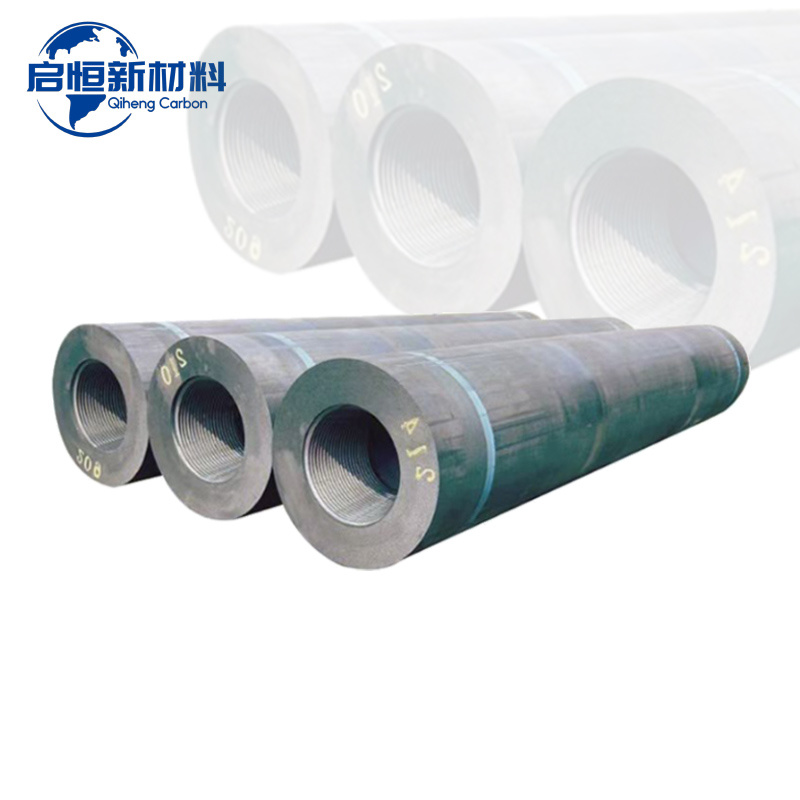
RP Graphite Electrodes: Transforming Conductivity in Metallurgical Processes
RP Graphite Electrodes: Enhancing Conductivity in Metallurgical Applications
Table of Contents
1. Introduction to RP Graphite Electrodes
2. Understanding Graphite and Its Properties
3. The Role of RP Graphite Electrodes in Metallurgy
4. Benefits of Using RP Graphite Electrodes
5. The Manufacturing Process of RP Graphite Electrodes
6. Applications of RP Graphite Electrodes
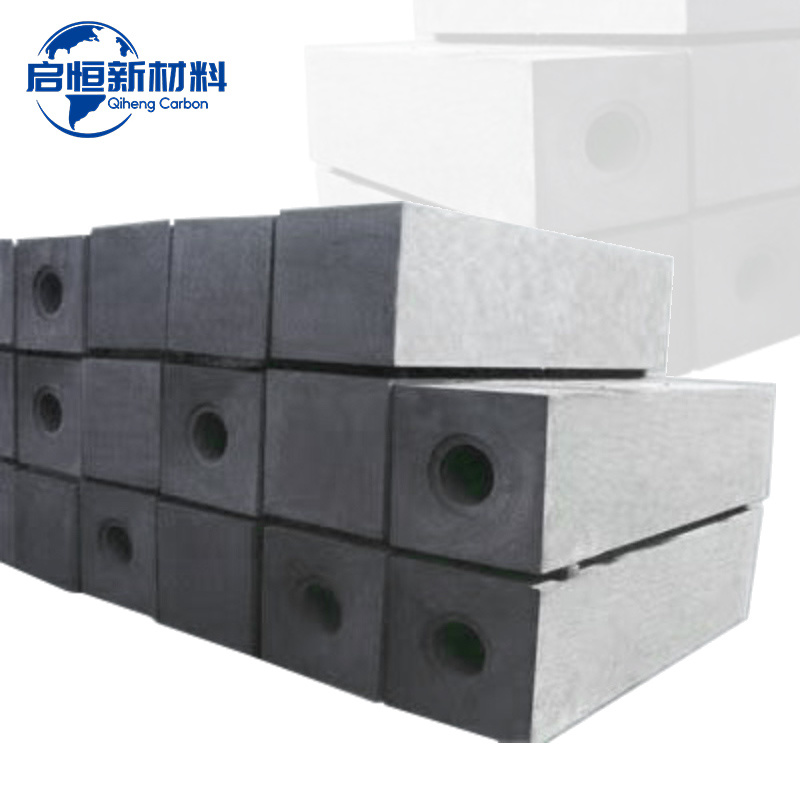
The Essential Guide to Graphite Blocks in Metallurgy and Energy Industries
Graphite blocks are pivotal materials in the metallurgy and energy industries, particularly within the non-metallic mineral products sector. These blocks, made from natural or synthetic graphite, possess unique properties that make them suitable for a wide range of applications. One of the most notable characteristics of graphite is its excellent thermal and electrical conductivity. This property
Quick Navigation
Contact Us
Mobile:
+8618031071182(Mr. Chang)
+8613703203188(Mr. Guo)
Address: West of Zholangbao Village, Shangcheng Town, Chengan County, Handan City, Hebei Province
Alibaba Store: