

Unlocking the Potential of Graphite Blocks in Metallurgy and Energy
Aug 10,2025


Summary:
Graphite blocks have emerged as a crucial material in the metallurgy and energy industries, particularly within the realm of non-metallic mineral products. Their unique properties, including high thermal conductivity, chemical stability, and excellent lubricity, make them indispensable in various applications. Understanding the characteristics and uses of graphite blocks can significantly benefit
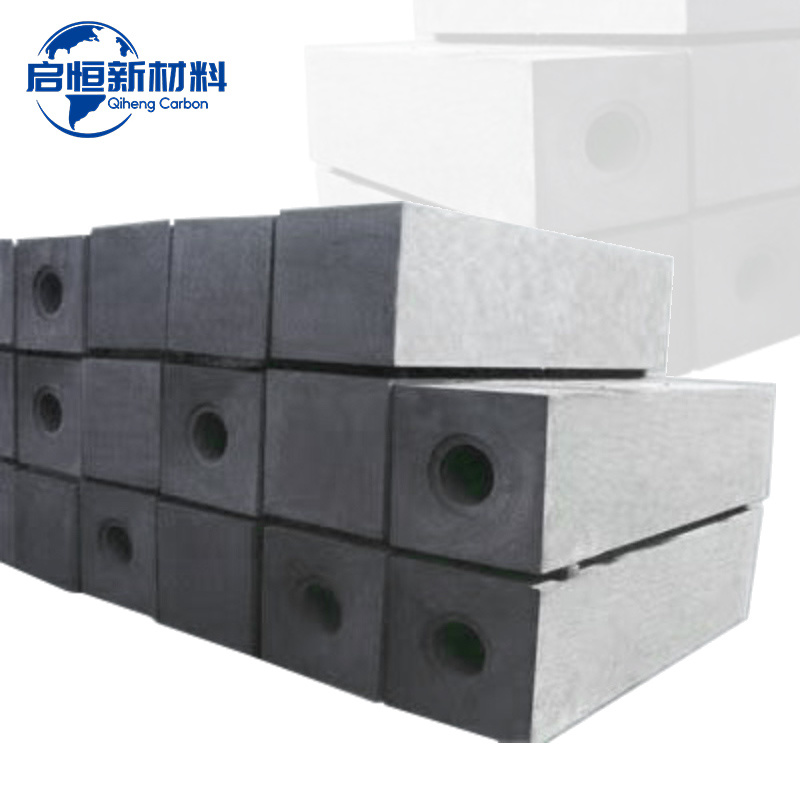
Graphite blocks have emerged as a crucial material in the metallurgy and energy industries, particularly within the realm of non-metallic mineral products. Their unique properties, including high thermal conductivity, chemical stability, and excellent lubricity, make them indispensable in various applications. Understanding the characteristics and uses of graphite blocks can significantly benefit professionals seeking to optimize processes and enhance product quality.
One of the primary applications of graphite blocks is in the production of refractory materials. Due to their ability to withstand extreme temperatures without deforming, graphite blocks serve as an essential component in furnace linings and molds used in the metallurgy sector. This not only improves the lifespan of the equipment but also ensures better thermal efficiency, which is vital for energy conservation.
In addition to their role in metallurgy, graphite blocks are increasingly being used in energy sector applications, particularly in battery technologies. The rise of electric vehicles (EVs) and renewable energy systems has heightened the demand for high-performance batteries. Graphite blocks are integral to the anode production in lithium-ion batteries, where their excellent electrical conductivity and stability under varying charge cycles contribute to improved battery performance and longevity. This growing trend highlights the need for industries to explore and invest in advanced graphite solutions.
Another significant advantage of graphite blocks is their eco-friendly nature. As industries are pushed towards sustainable practices, the use of natural graphite blocks can reduce the environmental impact associated with synthetic alternatives. Graphite is a naturally occurring mineral, and advancements in mining and processing technologies have made it possible to extract and utilize graphite blocks with minimal ecological disruption. This aligns with global efforts to promote sustainability and reduce carbon footprints across various sectors.
To effectively incorporate graphite blocks into your operations, it is essential to collaborate with suppliers who understand the nuances of the material. Assessing the quality, form, and specifications of graphite blocks is vital for ensuring compatibility with your applications. Furthermore, staying informed about technological advancements and market trends can help industries adapt and innovate, ultimately leading to improved productivity and competitiveness.
In conclusion, graphite blocks represent a pivotal resource in both metallurgy and energy sectors. Their unique properties not only enhance performance but also align with contemporary sustainability goals. By understanding their applications and engaging with reliable suppliers, professionals can leverage the full potential of graphite blocks, driving innovation and efficiency across their operations.
One of the primary applications of graphite blocks is in the production of refractory materials. Due to their ability to withstand extreme temperatures without deforming, graphite blocks serve as an essential component in furnace linings and molds used in the metallurgy sector. This not only improves the lifespan of the equipment but also ensures better thermal efficiency, which is vital for energy conservation.
In addition to their role in metallurgy, graphite blocks are increasingly being used in energy sector applications, particularly in battery technologies. The rise of electric vehicles (EVs) and renewable energy systems has heightened the demand for high-performance batteries. Graphite blocks are integral to the anode production in lithium-ion batteries, where their excellent electrical conductivity and stability under varying charge cycles contribute to improved battery performance and longevity. This growing trend highlights the need for industries to explore and invest in advanced graphite solutions.
Another significant advantage of graphite blocks is their eco-friendly nature. As industries are pushed towards sustainable practices, the use of natural graphite blocks can reduce the environmental impact associated with synthetic alternatives. Graphite is a naturally occurring mineral, and advancements in mining and processing technologies have made it possible to extract and utilize graphite blocks with minimal ecological disruption. This aligns with global efforts to promote sustainability and reduce carbon footprints across various sectors.
To effectively incorporate graphite blocks into your operations, it is essential to collaborate with suppliers who understand the nuances of the material. Assessing the quality, form, and specifications of graphite blocks is vital for ensuring compatibility with your applications. Furthermore, staying informed about technological advancements and market trends can help industries adapt and innovate, ultimately leading to improved productivity and competitiveness.
In conclusion, graphite blocks represent a pivotal resource in both metallurgy and energy sectors. Their unique properties not only enhance performance but also align with contemporary sustainability goals. By understanding their applications and engaging with reliable suppliers, professionals can leverage the full potential of graphite blocks, driving innovation and efficiency across their operations.
Focus On Hot Spots
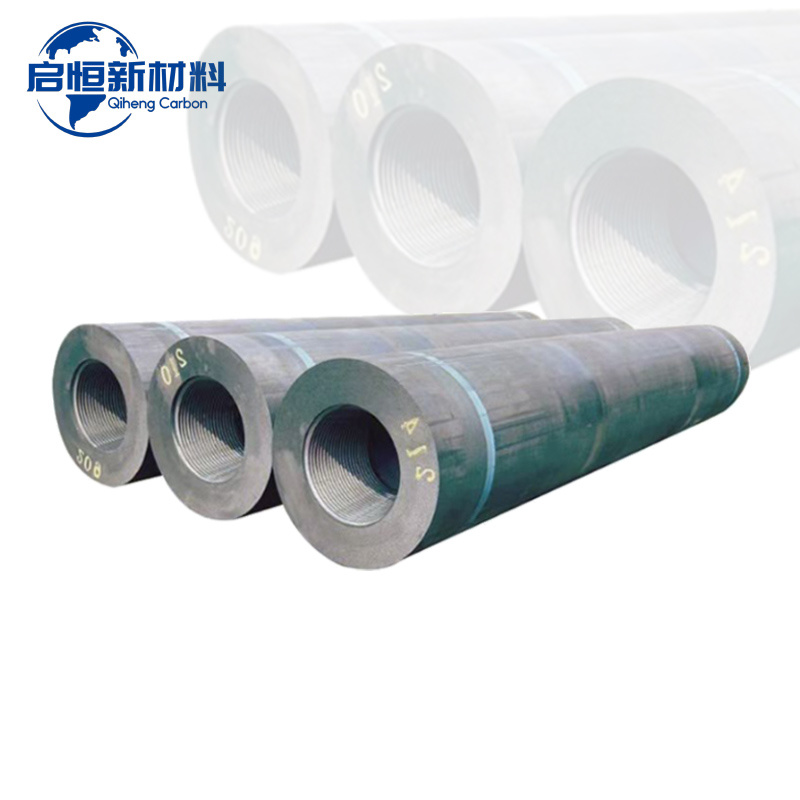
RP Graphite Electrodes: Transforming Conductivity in Metallurgical Processes
RP Graphite Electrodes: Enhancing Conductivity in Metallurgical Applications
Table of Contents
1. Introduction to RP Graphite Electrodes
2. Understanding Graphite and Its Properties
3. The Role of RP Graphite Electrodes in Metallurgy
4. Benefits of Using RP Graphite Electrodes
5. The Manufacturing Process of RP Graphite Electrodes
6. Applications of RP Graphite Electrodes
The Essential Guide to Graphite Blocks in Metallurgy and Energy Industries
Graphite blocks are pivotal materials in the metallurgy and energy industries, particularly within the non-metallic mineral products sector. These blocks, made from natural or synthetic graphite, possess unique properties that make them suitable for a wide range of applications. One of the most notable characteristics of graphite is its excellent thermal and electrical conductivity. This property
Quick Navigation
Contact Us
Mobile:
+8618031071182(Mr. Chang)
+8613703203188(Mr. Guo)
Address: West of Zholangbao Village, Shangcheng Town, Chengan County, Handan City, Hebei Province
Alibaba Store: